English

 Home
Home Hotels
  Car Rental
 Rewards
 Travel Guide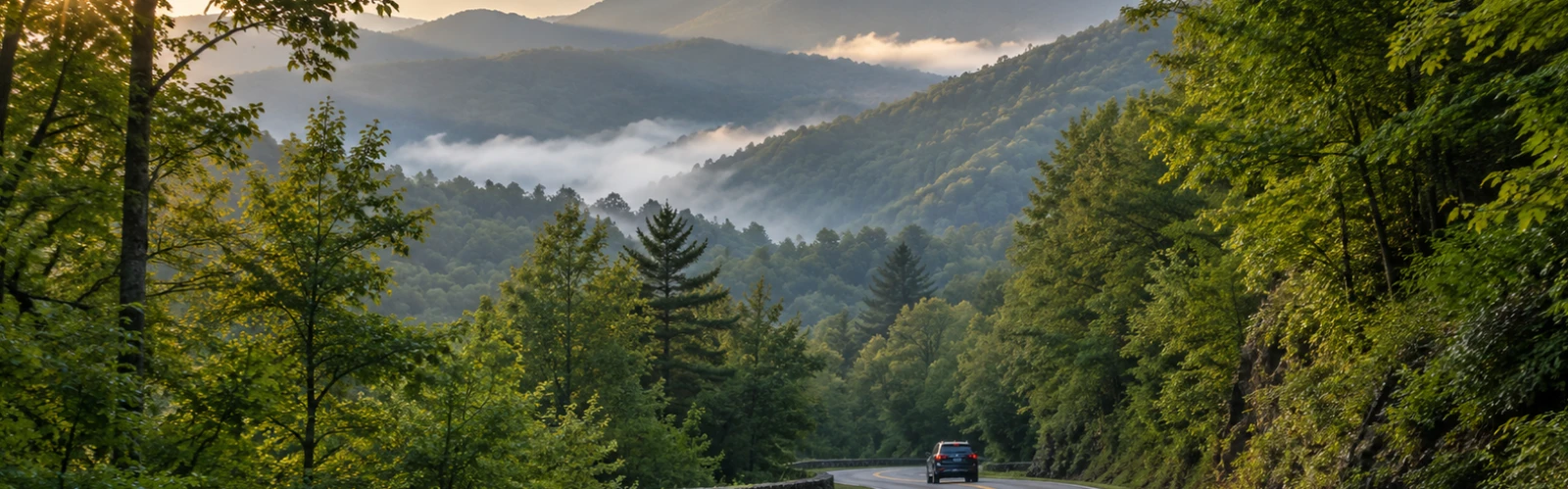
A Day Around Gatlinburg That Leaves Room for Unexpected Stops

A good day around Gatlinburg does not need every hour assigned before breakfast. In fact, the Smokies often work better when there is enough room for the plan to change. A short walk may turn into an hour beside the river. Clouds can clear over a high ridge just as a traveler is considering heading back to town. A quiet picnic area may be more appealing than the attraction originally planned for the afternoon.
That flexibility is especially useful on a Gatlinburg day trip because Great Smoky Mountains National Park offers very different landscapes within a relatively compact area. Roads leaving Gatlinburg can move from visitor-center paths and stream valleys to historic forest drives and high-elevation overlooks in the same day.
The aim should not be to collect every major sight. Instead, a traveler can choose a loose direction, build in several reliable stops, and leave enough space for one or two unplanned ones. Weather, parking and road conditions can change, especially at higher elevations, and the park advises visitors to check current conditions before heading out.
That approach makes the day feel less like an itinerary and more like time actually spent in the mountains.
Start at Sugarlands With Only the First Part of the Day Decided
Sugarlands Visitor Center is an ideal place to begin because it allows the day's direction to remain flexible. Located about two miles south of Gatlinburg on Newfound Gap Road, it provides maps, natural-history exhibits, restrooms, drinking water and staff who can answer questions about current road and trail conditions. The center currently operates from 9 a.m. to 5 p.m. outside its shorter winter schedule and is closed on Christmas Day.
For a flexible Great Smoky Mountains day trip, the useful part is not simply collecting a map. Sugarlands is where travelers can decide whether the high country looks promising, whether Little River Road makes more sense, or whether a lower-elevation day would be wiser.
There is no need to leave immediately after checking conditions. Forest paths begin in the area, Fighting Creek runs nearby, and the change from Gatlinburg's Parkway to shaded parkland happens within minutes.
A short stop here creates a natural buffer before the day's longer drives. It also prevents an itinerary from becoming dependent on assumptions made before seeing the actual weather.
Instead of planning the entire day from town, travelers can decide only the next move: a short walk, a river road or a climb toward Newfound Gap. Everything after that can remain open.
Take a Short Forest Walk Before Committing to a Bigger Trail
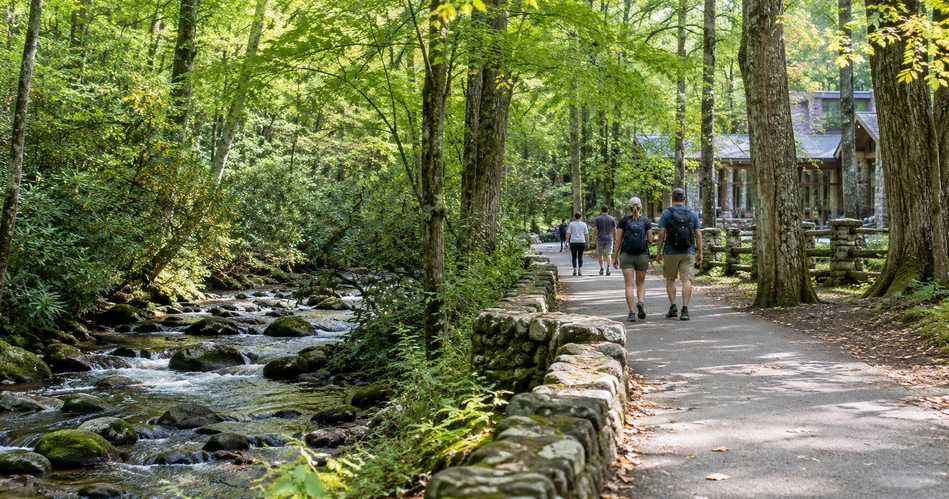
One of the easiest ways to make the morning feel less rushed is to walk before driving farther into the park. The Sugarlands area gives travelers options that do not require turning the entire day into a hiking itinerary.
The paved Sugarlands Valley Nature Trail is one useful choice. The National Park Service describes it as flat and fully paved, making it suitable for visitors who want forest time without a strenuous climb. Another option is the short walk toward Cataract Falls, which allows travelers to move gradually from the visitor-center area into hardwood forest.
The point of choosing a short walk is not to fill a checklist. It gives the morning time to develop. After twenty or thirty minutes beneath the trees, a traveler may decide that hiking sounds better than driving, or may feel perfectly ready to return to the car and continue toward the mountains.
This is also where keeping the schedule loose starts to pay off. A cool, quiet morning can justify staying longer. A crowded trail can justify leaving earlier.
Among the easiest things to do around Gatlinburg, these short forest walks are valuable precisely because they do not dictate what must happen next.
Follow Little River Road Until Something Makes the Car Stop
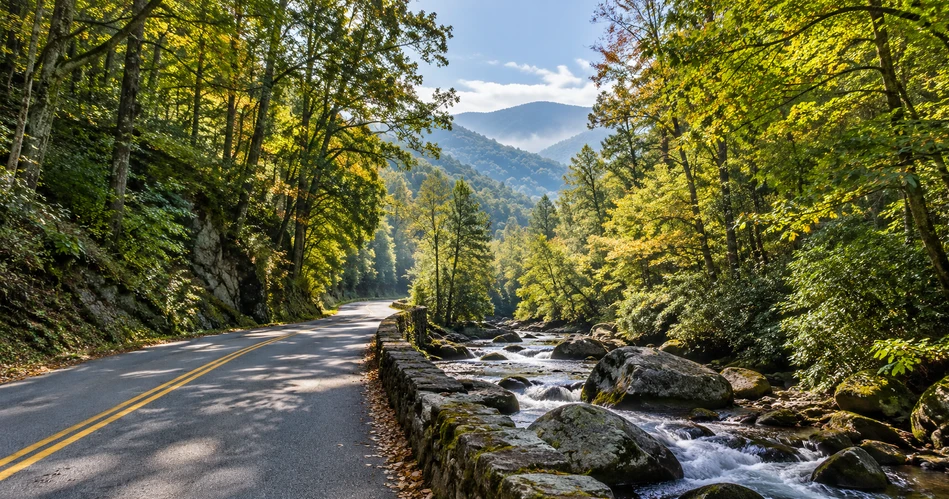
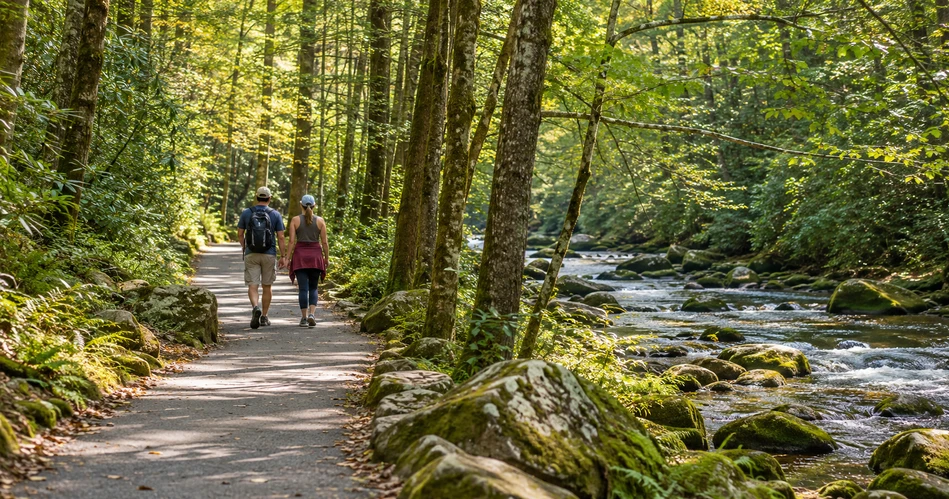
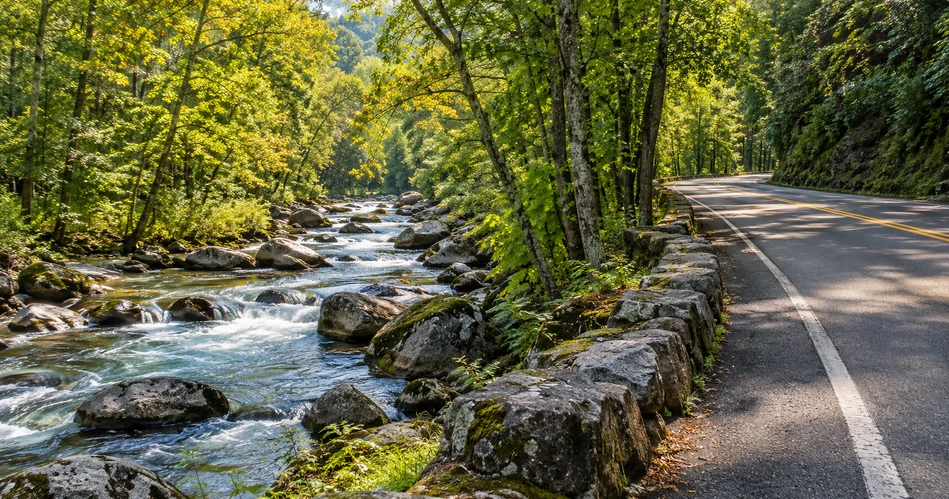
Little River Road works particularly well for an unscheduled day because the route itself continually offers reasons to pause. From the Sugarlands area it heads west through forest toward Elkmont, Metcalf Bottoms and Townsend Wye, with the Little River repeatedly appearing beside the road.
Unlike a drive built around one famous viewpoint, the experience develops in pieces. One bend may reveal the river flowing around exposed boulders. Another may offer a legal pull-off where travelers can step out and listen to the water. Farther along, forest openings and junctions create several possible directions for the rest of the day.
Little River Road is one of the park's primary roads and normally remains open throughout the year, weather permitting. Temporary maintenance closures are still possible; sections of the road were temporarily closed for maintenance on several dates in 2026, so current conditions remain worth checking.
That uncertainty is another reason not to build the day around an inflexible route.
A traveler who finds the river particularly good after recent rain might simply stop earlier than expected. Someone more interested in history can continue toward Elkmont. Another group may head for Metcalf Bottoms and stay there through lunch.
For a flexible Gatlinburg day trip, Little River Road is useful because the road provides options instead of demanding a destination.
Let Metcalf Bottoms Decide How Long Lunch Should Take
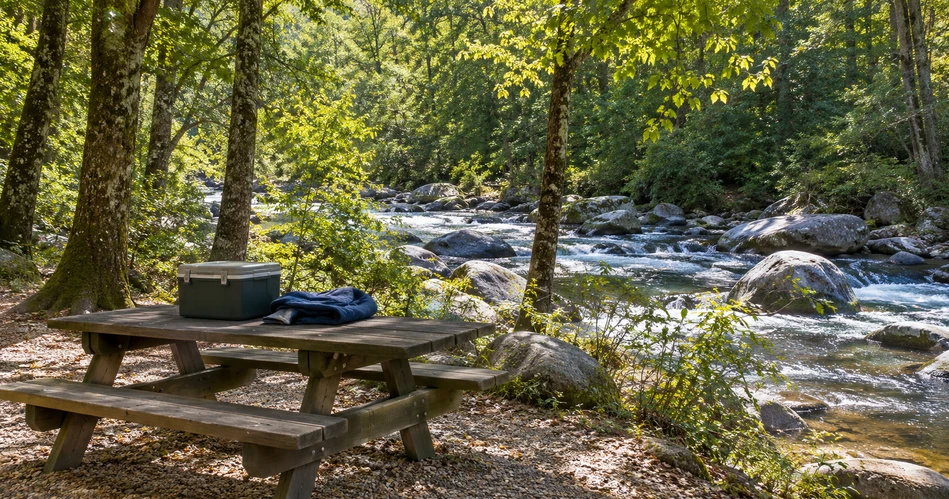
Metcalf Bottoms is the kind of stop that can either last twenty minutes or absorb much of the afternoon, which makes it ideal for a day with deliberate breathing room. The picnic area sits beside the Little River and is one of the park's picnic areas that remains open throughout the year. Some loops and facilities operate seasonally, but part of the area stays available year-round.
The first option is simple: eat lunch under the trees and watch the river. Large boulders break the current into smaller channels, and the wooded setting makes the place feel removed from the busier road corridors.
If the group wants to keep moving, the surrounding area opens into something more substantial. The National Park Service describes a 3.4-mile round trip from Metcalf Bottoms through hardwood forest to Little Greenbrier School and the preserved Walker family homesite. That walk introduces a historical layer that is easy to miss when traveling through the park only by car.
The choice does not need to be made in advance. That is the advantage.
If the weather is good and everyone has energy, the walk can extend the stop. If the group would rather sit beside the water, there is no reason to convert lunch into another task.
Food and trash should be managed carefully because feeding bears and other wildlife is illegal and improperly stored food can attract animals.
Keep Roaring Fork as the Detour That Can Replace the Original Plan
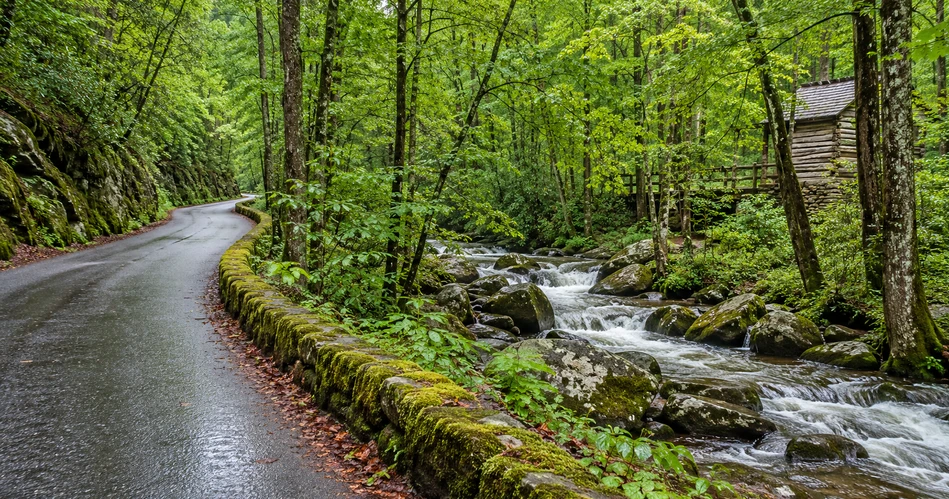
Roaring Fork is useful on a flexible Gatlinburg day because it does not have to be included at all. If the lower-elevation forest looks especially good, or if a traveler returns toward Gatlinburg with several hours still open, Roaring Fork Motor Nature Trail can become the detour that replaces whatever was originally planned.
The route is a one-way scenic road through dense Smokies forest, with opportunities to see historic sites, rushing water and trail access. Parking frequently reaches capacity in the area, and the National Park Service advises visitors to have an alternative destination in mind. Parking tags also cannot be purchased along the motor trail itself.
That makes Roaring Fork particularly suited to a flexible rather than mandatory itinerary.
If parking is difficult, the day does not fail; the route can simply be skipped. When conditions cooperate, the road rewards a slow pace. Place of a Thousand Drips appears near the latter part of the drive, while the surrounding forest, streams and historic structures give travelers multiple reasons to stay longer.
Buses, trailers and motor homes are not permitted, and the route closes during part of the year.
Roaring Fork works best when it remains optional. That removes the pressure to force it into a crowded schedule and makes it more enjoyable when the timing happens to be right.
Head Toward Newfound Gap Only If the Mountains Are Cooperating
A flexible day becomes especially useful when high elevations enter the plan. Newfound Gap Road can be sunny near Gatlinburg while cloud, rain, wind or even colder conditions affect the upper slopes. The National Park Service specifically notes that clear skies in lower areas do not guarantee the same conditions higher in the park.
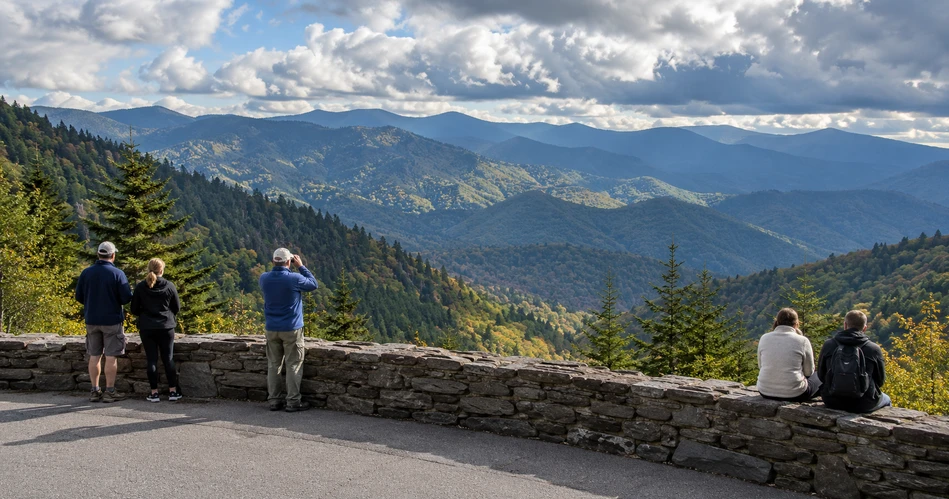
If the weather looks promising, the climb toward Newfound Gap provides one of the best changes of scenery in a single Gatlinburg day trip. The road rises through different forest environments and reaches the Tennessee–North Carolina boundary, where wide mountain views replace the enclosed stream valleys of the morning.
Newfound Gap Road itself is a primary park road and remains open year-round, weather permitting. Temporary closures can still occur when snow, ice, fallen trees or other hazards make travel unsafe.
That is why this part of the day should remain conditional.
If clouds hide the upper mountains, travelers can spend more time lower down rather than driving upward simply because the itinerary says so. If the ridges begin clearing, Newfound Gap can suddenly become the right destination.
Once there, the stop should not be reduced to a photograph. Clouds and shadows move across the ridges, and the view can noticeably change while a traveler stands in the same place.
Treat Kuwohi as a Bonus Rather Than Something the Day Must Include
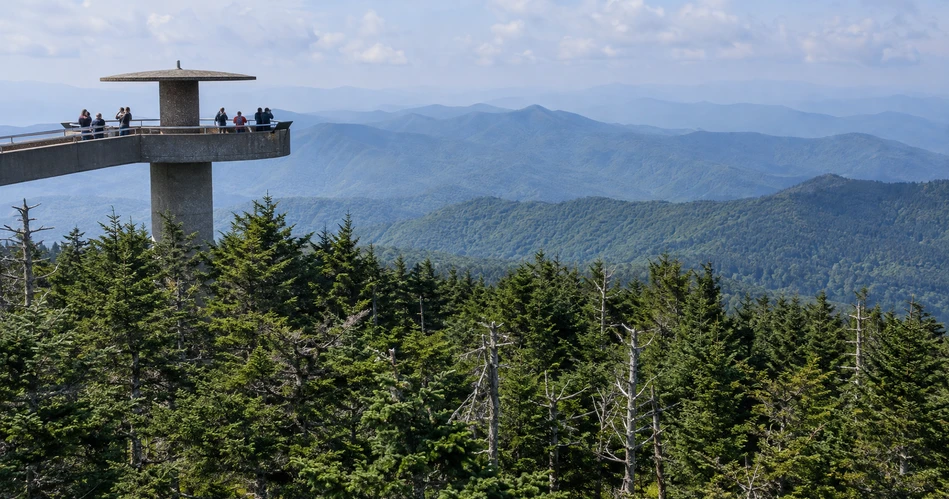
From Newfound Gap, Kuwohi can turn a good mountain afternoon into a high-elevation finish, but it should remain optional. Kuwohi Road branches away from Newfound Gap and runs seven miles toward the parking area near the highest point in Great Smoky Mountains National Park. The road is seasonal; for 2026 it is scheduled to remain open through November 29 and is subject to temporary closures from snow, ice and hazardous weather.
This is exactly the type of stop that should depend on conditions rather than determination.
When visibility is good, travelers can follow the steep paved path toward the observation tower and spend time looking across layers of Southern Appalachian ridges. When clouds settle over the summit, views may disappear almost completely.
The visitor center at Kuwohi is also seasonal and operates shorter than a year-round facility such as Sugarlands.
For travelers who already spent longer than expected at Metcalf Bottoms or Roaring Fork, Kuwohi can simply wait for another day. Nothing is lost.
That is one of the most useful lessons of a flexible Great Smoky Mountains day trip: optional places remain enjoyable because there is no pressure to reach them under poor conditions.
When the sky is clear and daylight remains, though, finishing the day at 6,643 feet can make the change from morning river valleys feel remarkable.
Leave the Final Hour Empty on Purpose
The easiest part of the day to over-plan is the final hour. By late afternoon, travelers often feel pressure to fit in one last named attraction when the better choice may be whatever is already nearby.
That final unscheduled period could become another river stop on Little River Road, a return to an overlook where cloud has cleared, a slow drive back through the forest or simply extra time at the place where everyone is already comfortable.
A few rules make this approach practical:
-
A parking tag is required when a vehicle is parked inside Great Smoky Mountains National Park for more than 15 minutes. The park does not charge a general entrance fee.
-
Parking at popular locations can fill, especially around trailheads, so an alternative stop should always be available.
-
Primary roads can still close temporarily because of weather or maintenance.
-
Food, water and a warmer layer should stay in the vehicle, particularly when high elevations remain a possibility.
-
Legal pull-offs and established parking areas should be used rather than roadside shoulders not designed for parking.
A successful day around Gatlinburg does not need to end with every planned destination completed. It can end with a river running beside the road, clouds lifting from Newfound Gap or an extra half hour spent somewhere that was supposed to be a five-minute stop.
Leaving that time open is not failing to plan. Around the Smokies, it is often what allows the better version of the day to happen.
Next post What to See Around Gatlinburg When You’ve Got Time to Wander
Previous Post Where to Go When You Want to See Gatlinburg From a Different Angle
About Author