English

 Home
Home Hotels
  Car Rental
 Rewards
 Travel Guide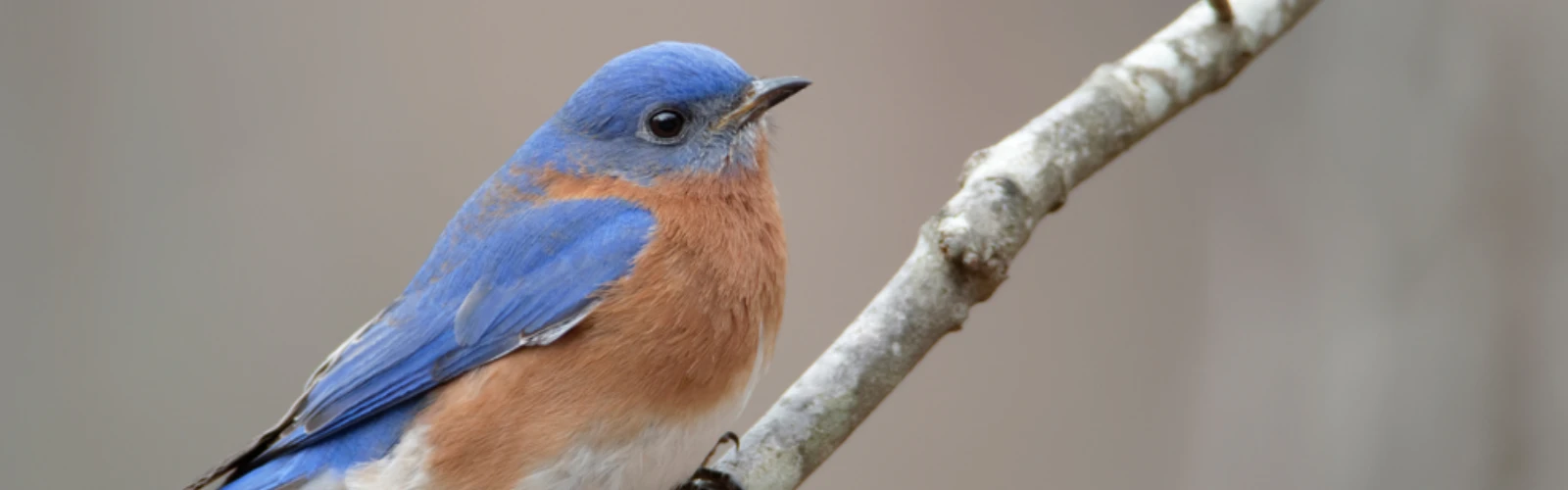
Top Wildlife Viewing Spots in Gatlinburg

Nestled at the gateway to Great Smoky Mountains National Park, Gatlinburg is one of the best destinations in the southeastern United States for observing wildlife in its natural habitat. The region's diverse forests, rivers, valleys, and mountain ridges support hundreds of animal species, making every visit a unique experience. From spotting black bears wandering through wooded hillsides to watching white-tailed deer graze in open meadows and listening to the songs of native birds, wildlife enthusiasts can enjoy memorable encounters throughout the year.
The Top Wildlife Viewing Spots in Gatlinburg extend beyond scenic overlooks. Many hiking trails, quiet valleys, and forest roads provide excellent opportunities to observe animals while respecting their natural environment. Whether travelers are visiting for a weekend getaway or an extended outdoor adventure, understanding where and when to look significantly improves the chances of seeing native wildlife safely and responsibly.
Best Wildlife Viewing Areas Near Gatlinburg
The landscapes surrounding Gatlinburg offer a variety of ecosystems that attract different species throughout the seasons. Exploring multiple locations increases the likelihood of memorable wildlife sightings.
Cades Cove

Cades Cove is widely recognized as one of the premier locations for Great Smoky Mountains wildlife. The broad valley features open meadows surrounded by forested mountains, creating ideal habitat for white-tailed deer, wild turkeys, coyotes, black bears, raccoons, and numerous bird species.
Early morning and late afternoon are generally the best times to visit, when animals are most active. The scenic loop road allows visitors to observe wildlife from designated pull-offs without disturbing natural behaviors. Patience often rewards visitors with sightings that photographers and wildlife enthusiasts treasure.
Roaring Fork Motor Nature Trail

Located just minutes from downtown Gatlinburg, the Roaring Fork Motor Nature Trail combines dense forests, mountain streams, and historic cabins. This peaceful drive offers excellent opportunities to spot black bears, salamanders, squirrels, and many woodland birds.
The shaded forest environment makes it particularly attractive during warmer months when animals seek cooler habitats.
Greenbrier Area
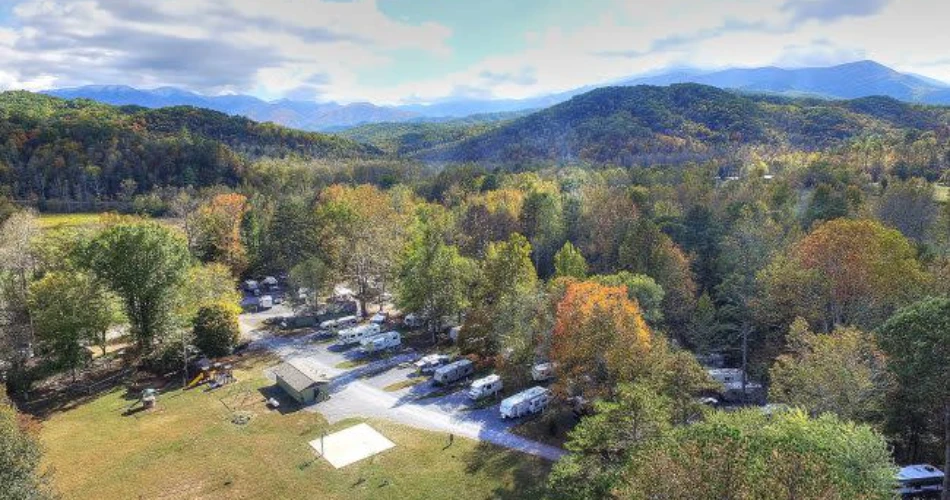
The Greenbrier section provides a quieter alternative for visitors seeking fewer crowds. Flowing streams attract wildlife throughout the day, while surrounding forests support deer, black bears, foxes, and songbirds.
Because this area receives less traffic than some of the park's most famous attractions, wildlife often appears more relaxed, increasing observation opportunities.
Wildlife Visitors Can Expect to See
The Smokies rank among the most biologically diverse national parks in North America. Visitors may encounter mammals, reptiles, amphibians, and hundreds of bird species depending on the season and habitat.
Black Bears

Perhaps the most famous residents, black bears in Gatlinburg capture the attention of nearly every visitor. The national park supports one of the largest protected black bear populations in the eastern United States.
Bears spend spring and summer actively foraging for berries, insects, nuts, and vegetation. Although sightings are exciting, visitors should always maintain a safe viewing distance and never attempt to feed or approach them.
White-Tailed Deer
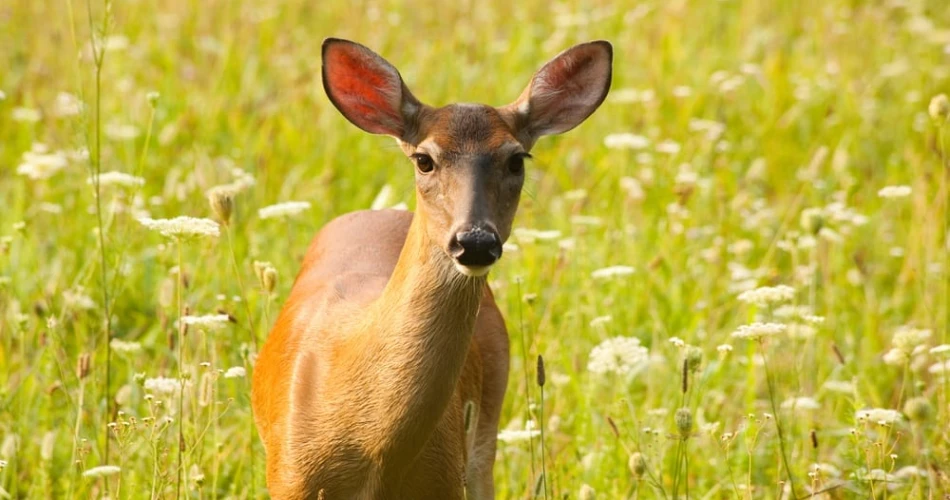
White-tailed deer are among the easiest mammals to observe. They frequently appear in open fields during sunrise and sunset, especially in Cades Cove and grassy clearings near forest edges.
During autumn, visitors may also witness rutting behavior as bucks compete for mates.
Elk

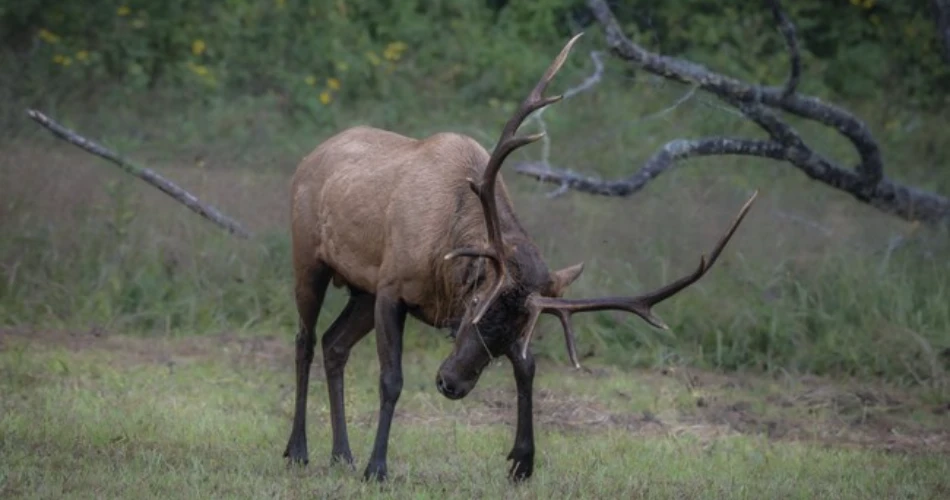
While elk are more commonly associated with the Cataloochee Valley on the North Carolina side of the park, travelers exploring the wider Smoky Mountains region may encounter these impressive animals. Early mornings provide the greatest viewing opportunities.
Birds and Smaller Wildlife
Birdwatchers appreciate the region's remarkable diversity. Species commonly observed include:
- Wild turkeys
- Pileated woodpeckers
- Eastern bluebirds
- Red-tailed hawks
- Great blue herons
- Carolina wrens
Smaller mammals such as chipmunks, gray squirrels, rabbits, river otters, and foxes also contribute to the area's rich biodiversity.
Best Times for Wildlife Watching in Gatlinburg
Every season offers different wildlife experiences. Understanding seasonal animal behavior helps visitors maximize their chances of successful sightings.
Summer
Summer offers lush forests and long daylight hours. Animals tend to remain active during cooler mornings and evenings while seeking shade during midday heat.
Visitors should begin excursions shortly after sunrise for the best opportunities.
Spring
Spring brings newborn wildlife, blooming wildflowers, and increased animal activity after winter. Bears emerge from dens searching for food, while migratory birds return to mountain forests.
Temperatures remain comfortable for hiking, making spring one of the most rewarding seasons for wildlife watching in Tennessee.
Fall
Autumn transforms the Smokies into a spectacular display of color while increasing wildlife activity. Deer become more visible during breeding season, and bears spend extra time feeding before winter.
Cooler temperatures also encourage longer hikes through Gatlinburg nature spots.
Winter
Although wildlife sightings become less frequent, winter provides excellent visibility because leafless trees reveal more of the forest floor. Deer remain active, many bird species stay throughout the season, and occasional bear sightings still occur during mild periods.
Tips for Safe and Responsible Wildlife Viewing
Observing wildlife responsibly helps protect both visitors and animals while preserving natural ecosystems.
Maintain Safe Distances
Visitors should always remain well away from wildlife. Federal park guidelines recommend staying at least 50 yards away from bears and elk and at least 25 yards from other wildlife.
If an animal changes its behavior because of human presence, the observer is too close.
Never Feed Wildlife
Feeding wild animals changes their natural behaviors and can create dangerous situations for both humans and wildlife. Animals that become accustomed to human food often lose their natural fear of people.
Carry Binoculars
Quality binoculars allow visitors to enjoy detailed observations without disturbing animals. Wildlife photographers often pair binoculars with telephoto lenses for ethical photography.
Stay on Designated Trails
Marked trails protect sensitive habitats while reducing the risk of surprising wildlife unexpectedly. Remaining on established paths also minimizes environmental impact.
Scenic Trails That Offer Excellent Wildlife Opportunities
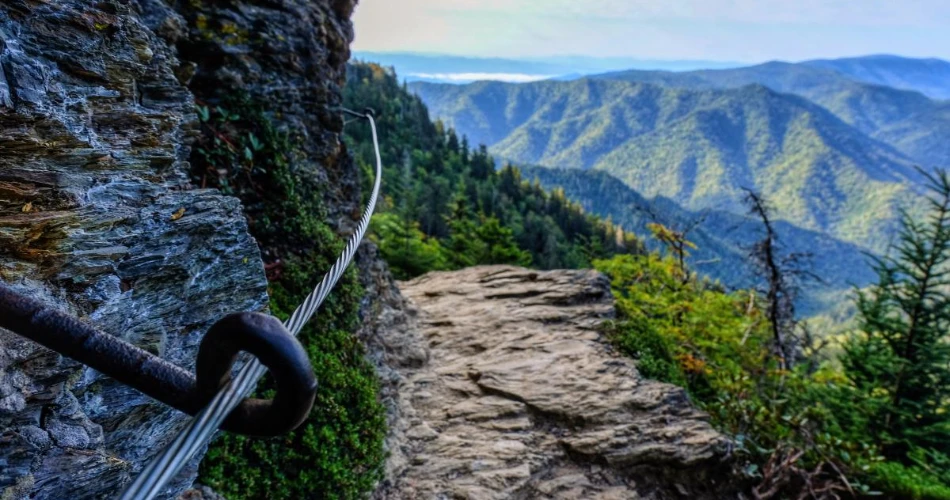
Many hiking trails near Gatlinburg combine beautiful scenery with excellent wildlife viewing possibilities.
Laurel Falls Trail

This popular trail leads to one of the area's best-known waterfalls while passing through forest habitats where birds, deer, and smaller mammals frequently appear.
Morning hikes generally provide the greatest wildlife activity before crowds arrive.
Porters Creek Trail

Porters Creek offers a peaceful environment featuring wildflowers, streams, and mature hardwood forests. Birdwatchers especially appreciate this trail during spring migration.
Little River Trail

Located in the Elkmont area, Little River Trail follows a scenic river corridor where visitors occasionally observe river otters, turtles, kingfishers, and deer.
The relatively gentle terrain makes it suitable for families seeking a relaxing nature experience.
Photography Tips for Capturing Wildlife
Wildlife photography requires patience, preparation, and respect for natural behavior.
The soft lighting shortly after sunrise and before sunset produces the most attractive images while coinciding with peak animal activity. A telephoto lens helps photographers capture detailed images without approaching wildlife too closely.
Visitors should avoid using flash photography, particularly when photographing nocturnal animals or birds at close range. Remaining still and allowing wildlife to behave naturally often results in more authentic photographs than attempting to move closer.
Weather also influences wildlife activity. Overcast mornings frequently create excellent lighting conditions while encouraging animals to remain active longer than during bright midday sunshine.
Planning the Perfect Wildlife Viewing Trip
Preparation contributes significantly to a successful wildlife adventure. Visitors should wear neutral-colored clothing that blends into forest surroundings rather than bright colors that may attract attention. Comfortable hiking shoes, water, insect repellent, sunscreen, binoculars, and a camera are valuable additions to any daypack. Checking weather forecasts before departure helps travelers prepare for changing mountain conditions. Starting excursions early not only increases wildlife sightings but also allows visitors to enjoy quieter trails before peak visitation hours. Responsible travelers should also familiarize themselves with park regulations regarding wildlife safety, trail etiquette, and Leave No Trace principles to help preserve the Smokies for future generations.
Why Gatlinburg Is a Favorite Destination for Wildlife Enthusiasts
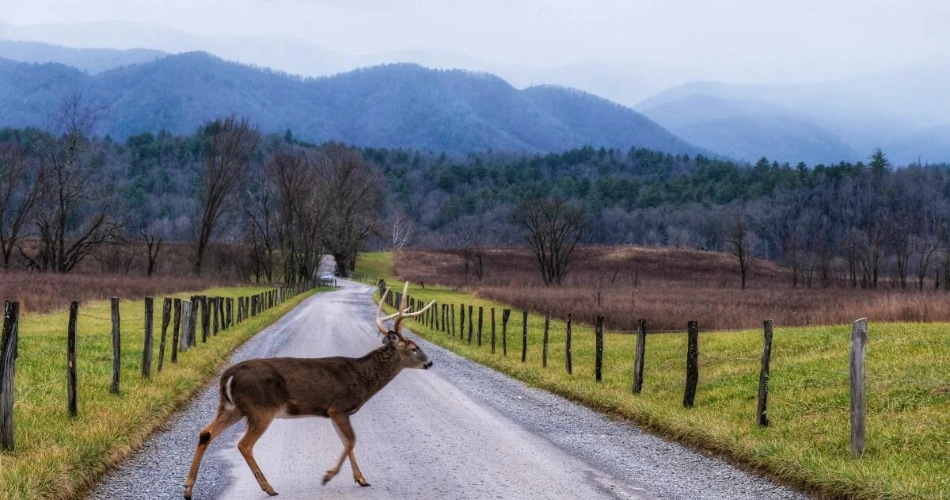
Few destinations offer the combination of accessibility and biodiversity found around Gatlinburg. Visitors can transition from downtown attractions to peaceful forests within minutes, creating opportunities to experience nature without extensive travel.
The surrounding mountains support healthy populations of mammals, birds, reptiles, amphibians, and aquatic species, making each season uniquely rewarding. Whether travelers hope to photograph a black bear from a safe distance, observe deer grazing in mountain valleys, or simply enjoy birdsong along wooded trails, Gatlinburg consistently delivers meaningful outdoor experiences.
Its close connection to Great Smoky Mountains National Park further enhances its reputation as one of the best wildlife destinations in the region, attracting hikers, photographers, birdwatchers, and families year after year.
The Top Wildlife Viewing Spots in Gatlinburg showcase the remarkable biodiversity of the Great Smoky Mountains while offering unforgettable experiences for visitors of every age. From the open meadows of Cades Cove and the peaceful forests of Roaring Fork to scenic hiking trails rich with birds and native mammals, every location presents new opportunities to appreciate nature responsibly.
By visiting during the most active times of day, respecting wildlife viewing guidelines, and exploring a variety of habitats, travelers can enjoy safe and rewarding encounters with some of Tennessee's most iconic animals. Whether planning a first visit or returning for another mountain adventure, Gatlinburg remains an outstanding destination for anyone eager to experience wildlife in one of America's most celebrated natural landscapes.
Next post Best Sunrise Spots in Gatlinburg
Previous Post Best Picnic Spots in Gatlinburg for Families and Couples
About Author