English

 Home
Home Hotels
  Car Rental
 Rewards
 Travel Guide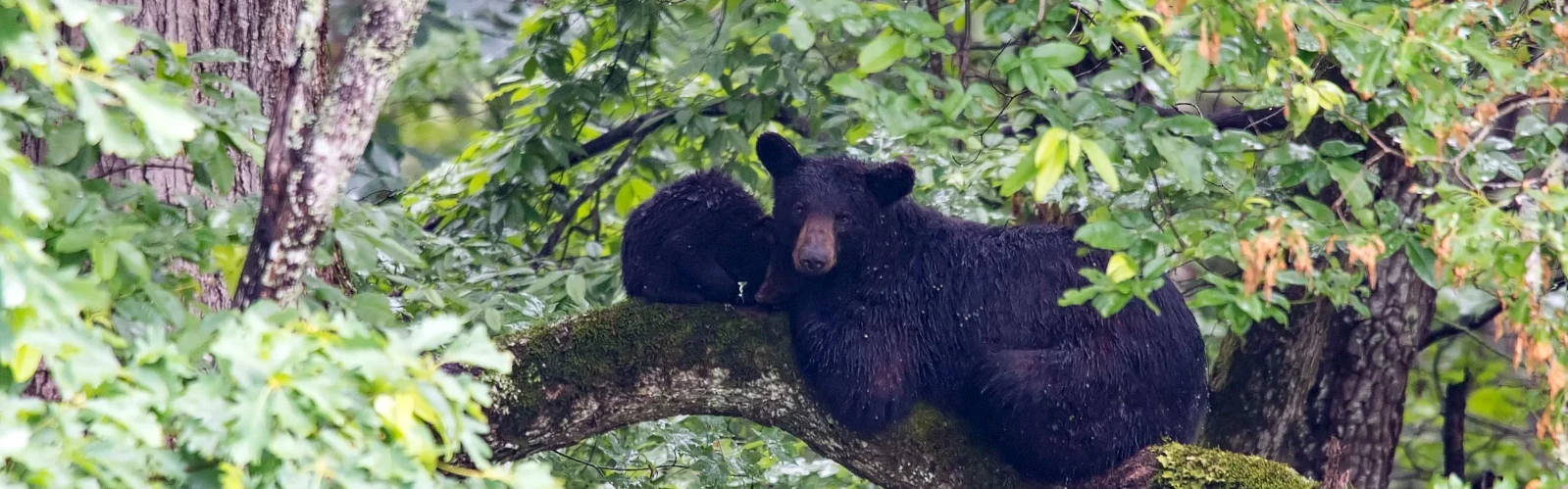
Where to See Black Bears Safely Near Gatlinburg

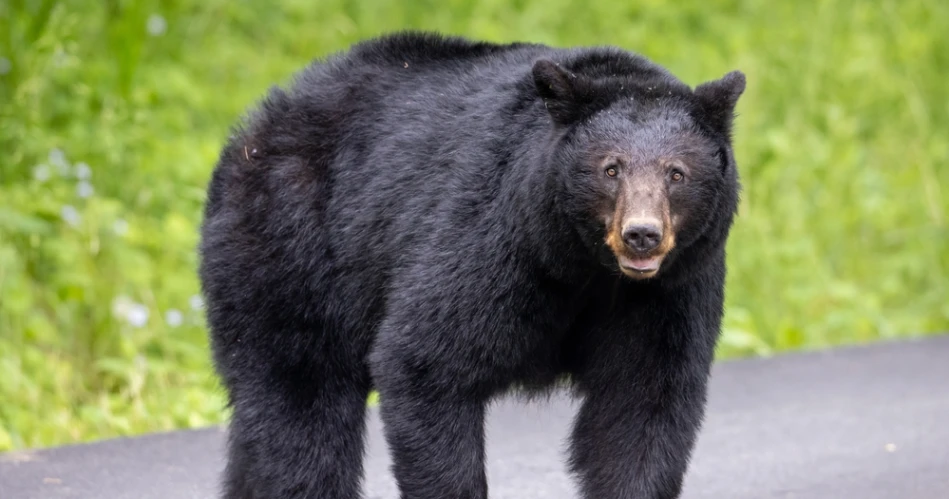
One of the most exciting experiences for visitors to eastern Tennessee is spotting a wild black bear in its natural habitat. Great Smoky Mountains National Park is home to one of the largest protected black bear populations in the eastern United States, making Gatlinburg one of the best gateways for wildlife enthusiasts. While bear sightings are never guaranteed, knowing where to see black bears safely near Gatlinburg greatly increases the chances of observing these incredible animals responsibly.
Black bears are an important part of the Smokies' ecosystem, and watching them from a safe distance creates unforgettable memories while protecting both visitors and wildlife. This guide highlights the top locations for Gatlinburg black bear viewing, explains the best times to visit, shares essential bear safety tips, and offers practical advice for enjoying Great Smoky Mountains wildlife responsibly.
Best Places to See Black Bears Near Gatlinburg
Several areas around Gatlinburg are well known for frequent bear activity. Although wildlife follows no schedule, these locations consistently provide some of the highest chances of seeing black bears while maintaining safe viewing opportunities.
Cades Cove
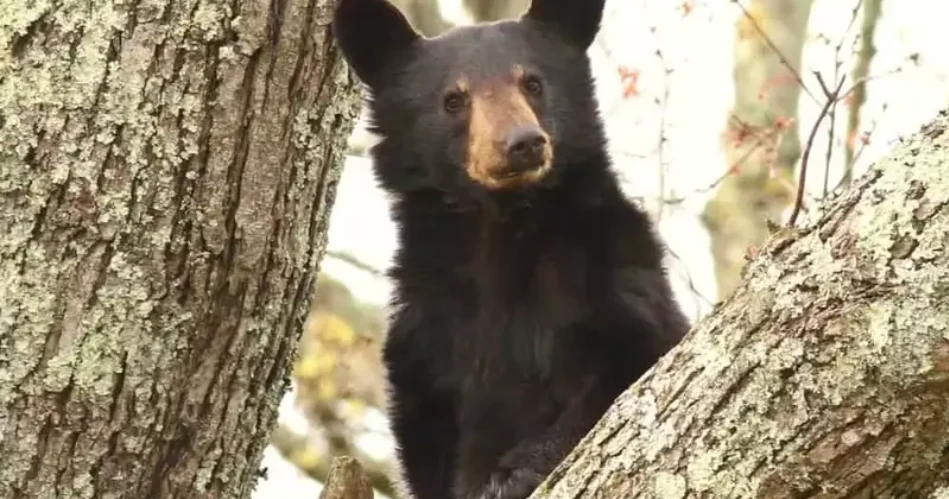
Cades Cove remains one of the most popular destinations for Cades Cove black bears. The scenic 11-mile loop road winds through open meadows, forests, and historic buildings where bears often forage during spring and summer. Early morning and late evening typically provide the best viewing conditions because bears are most active during cooler parts of the day.
Visitors should stay inside their vehicles whenever bears are nearby and never attempt to approach for photographs. Traffic may temporarily slow due to wildlife sightings, but stopping only in designated areas helps keep everyone safe.
Roaring Fork Motor Nature Trail
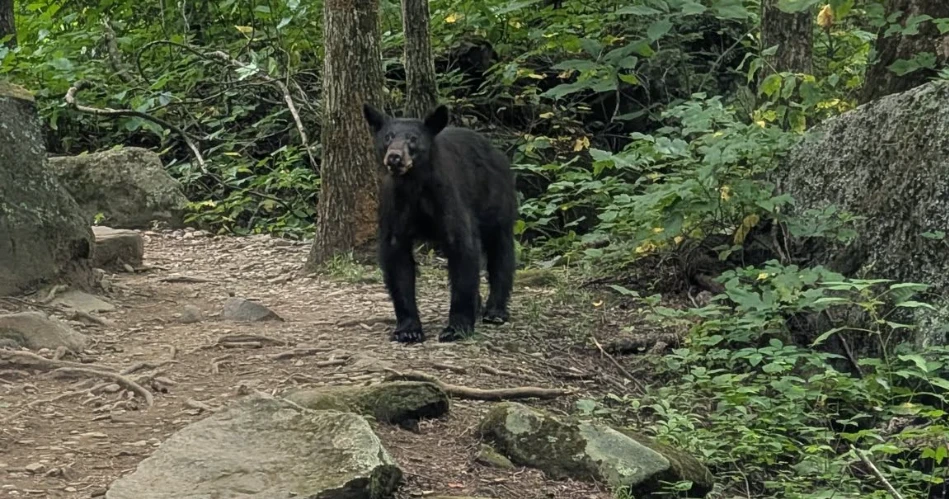
The Roaring Fork Motor Nature Trail offers another excellent opportunity for Gatlinburg black bear viewing. Dense forests, streams, and abundant food sources attract bears throughout much of the year. Since this scenic drive begins only minutes from downtown Gatlinburg, it is especially popular with travelers who have limited time.
Driving slowly, remaining alert around blind curves, and respecting temporary road closures contribute to both visitor safety and wildlife protection.
Greenbrier Area
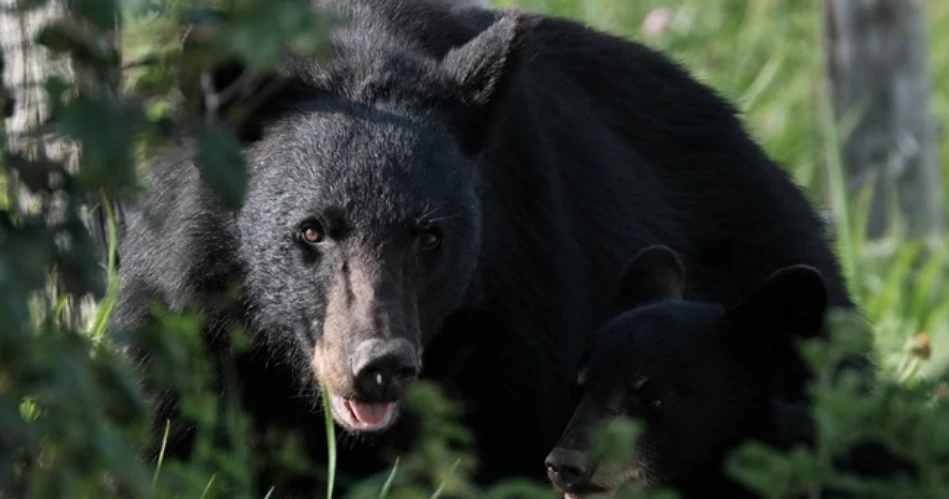
Less crowded than some of the park's famous destinations, Greenbrier provides peaceful scenery alongside rivers and forested valleys. Bears occasionally forage near the roadside or move through wooded areas during quieter hours. The area's lower visitor numbers often create a more relaxed wildlife viewing experience.
Cataloochee Valley
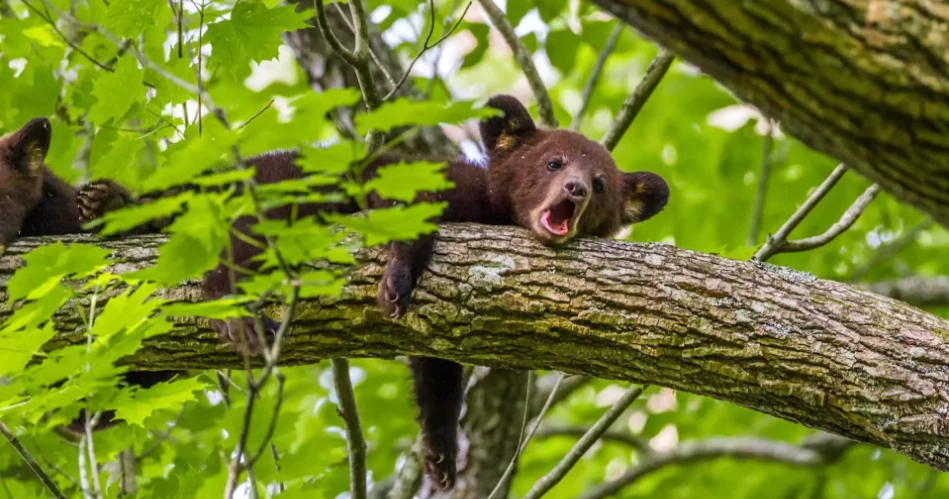
Although farther from Gatlinburg, Cataloochee Valley rewards visitors with outstanding wildlife opportunities. While it is particularly famous for elk, black bears are also seen throughout the surrounding forests, especially during warmer months.
When Is the Best Time to See Black Bears?
Timing plays a major role in successful wildlife viewing. While bears can be active throughout much of the year, certain seasons and times of day offer much higher chances for sightings.
Spring marks the beginning of increased bear activity after winter dormancy. During April and May, bears spend long hours searching for fresh vegetation, insects, and other food sources. Summer continues to provide excellent opportunities as bears feed heavily to build energy reserves.
Autumn is another outstanding season because bears enter a period known as hyperphagia, during which they consume large amounts of food before winter. Visitors exploring Great Smoky Mountains wildlife during September and October often report frequent sightings.
Daily timing is equally important. Early morning shortly after sunrise and the final hours before sunset usually produce the best results. Cooler temperatures encourage bears to move more frequently while visitor traffic is generally lighter.
Rainy or overcast days may also increase bear movement since temperatures remain comfortable. Regardless of the season, patience remains essential because wildlife sightings are always unpredictable. Choosing quieter weekdays instead of busy weekends can further improve the experience while reducing traffic congestion around popular viewing areas.
Bear Safety Tips Every Visitor Should Follow
Seeing wildlife should always be exciting without putting people or animals at risk. Following proper bear safety tips protects both visitors and the bears that call the Smokies home.
The most important rule is maintaining a safe distance. National Park Service guidance recommends staying at least 50 yards (150 feet) away from bears. If a bear changes its behavior because of nearby people, visitors are already too close.
Never feed a bear under any circumstances. Human food encourages bears to lose their natural fear of people, creating dangerous situations that may eventually require wildlife management actions.
Food should always remain secured inside vehicles or approved storage containers. Even small snacks or scented items can attract curious bears.
When hiking, making moderate noise helps avoid surprising wildlife. Bears generally prefer avoiding people and often leave the area before hikers even notice them. Traveling in groups further reduces the likelihood of unexpected encounters.
Photography should always prioritize safety over getting a closer shot. Telephoto lenses provide excellent images while allowing animals to remain undisturbed.
If a bear appears along the roadway, drivers should remain inside their vehicles and avoid creating traffic hazards. Never surround or block a bear's escape route. Respecting these simple guidelines allows future visitors to continue enjoying safe Gatlinburg black bear viewing experiences.
Other Wildlife to Watch for in Great Smoky Mountains National Park
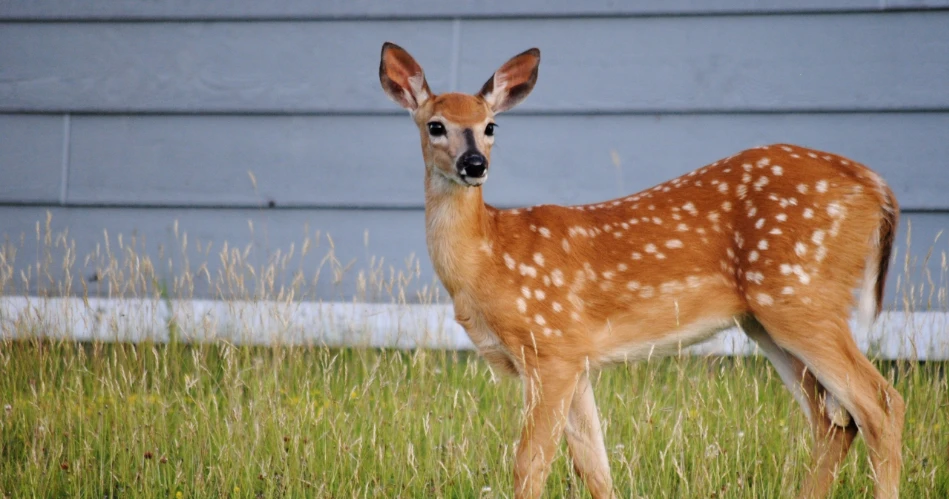
Although many travelers visit specifically to learn where to see black bears safely near Gatlinburg, the Smokies offer remarkable wildlife diversity beyond bears alone.
White-Tailed Deer
White-tailed deer are among the park's most commonly observed animals. Open valleys such as Cades Cove frequently provide excellent viewing opportunities during early morning and evening.
Elk
The reintroduced elk population has become one of the park's greatest conservation successes. Cataloochee Valley remains one of the best places to observe these impressive animals grazing across wide meadows.
Wild Turkeys
Wild turkeys roam forests, fields, and roadsides throughout the national park. Spring often brings colorful displays as males compete during mating season.
Birds and Smaller Wildlife
Birdwatchers can discover hundreds of bird species ranging from colorful warblers to majestic hawks. River otters, raccoons, foxes, salamanders, and numerous small mammals also contribute to the rich biodiversity of Great Smoky Mountains wildlife.
Keeping binoculars readily available allows visitors to appreciate many species without disturbing their natural behavior. Wildlife observation often becomes one of the most memorable parts of any Smoky Mountains adventure.
Planning the Perfect Bear Viewing Trip
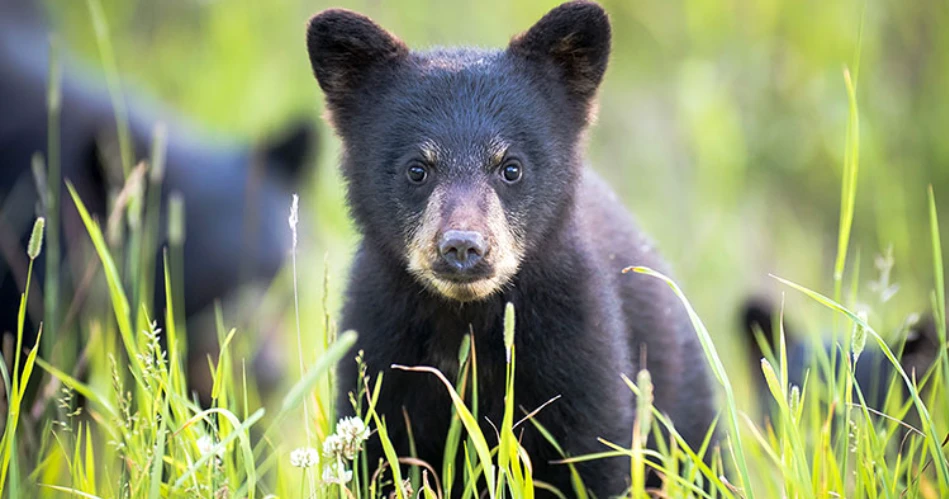
A successful wildlife trip requires more than simply choosing the right destination. Preparation significantly improves comfort, safety, and the likelihood of memorable sightings.
Start the day early to reach popular locations before traffic builds. Sunrise often provides beautiful lighting for photography while increasing opportunities to observe active wildlife.
Visitors should carry binoculars, a camera with zoom capability, water, sunscreen, and weather-appropriate clothing. Comfortable walking shoes are useful for exploring overlooks and short nature trails.
Checking weather forecasts before entering the park helps visitors prepare for changing mountain conditions. Fog, rain, and cooler temperatures can develop quickly, especially at higher elevations.
Patience remains one of the most valuable tools during any wildlife excursion. Bears may appear unexpectedly after long periods of waiting or may not appear at all. Appreciating waterfalls, forests, historic cabins, and mountain scenery ensures the trip remains rewarding regardless of wildlife sightings.
Respecting posted regulations, following ranger instructions, and practicing Leave No Trace principles help preserve the park for future generations while supporting ongoing wildlife conservation efforts.
For travelers hoping to experience unforgettable wildlife encounters, knowing where to see black bears safely near Gatlinburg makes all the difference. Scenic destinations such as Cades Cove, the Roaring Fork Motor Nature Trail, Greenbrier, and Cataloochee Valley provide outstanding opportunities to observe black bears in their natural environment while respecting safe viewing practices.
Combining smart trip planning, seasonal timing, patience, and responsible bear safety tips creates a rewarding experience for everyone. Beyond bears, visitors can also enjoy the incredible diversity of Great Smoky Mountains wildlife, from elk and deer to birds and countless smaller species.
Whether planning a first visit or returning to explore the Smokies once again, responsible wildlife viewing offers lasting memories while helping preserve one of America's most treasured national parks for future generations.
Next post The Quiet Side of Gatlinburg: Peaceful Places Away from the Crowds
Previous Post Walking Downtown Gatlinburg: Stops Worth Your Time
About Author