English

 Home
Home Hotels
  Car Rental
 Rewards
 Travel Guide
A Relaxing Day of Hiking Around Gatlinburg

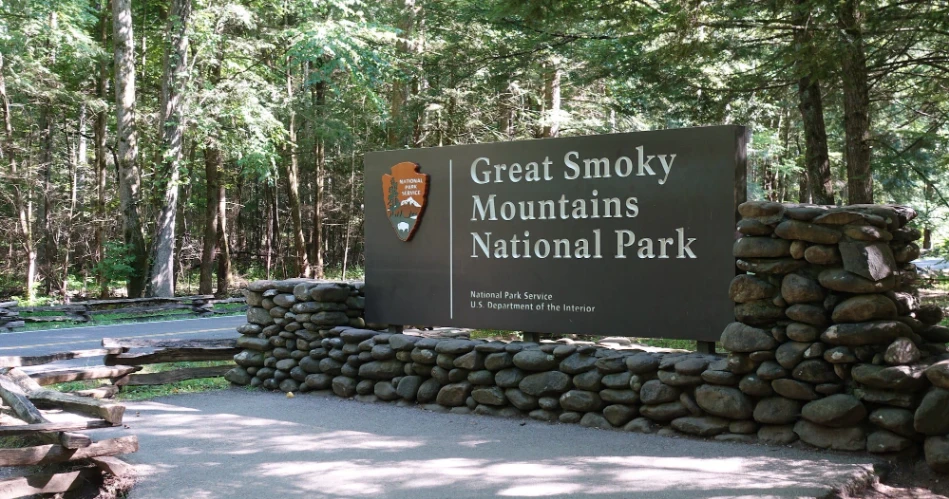
A good hiking day around Gatlinburg does not have to involve a long climb, an exhausting mileage goal, or reaching the highest point in the Smokies. For travelers who want to slow down, the area offers forest paths, flowing streams, waterfalls, historic surroundings, and short trails where the scenery does most of the work. A relaxed day can begin near Sugarlands, continue along a shaded trail beside the water, pause for a quiet picnic or scenic break, and finish before the afternoon crowds become too heavy. The best approach is to choose one or two manageable hikes rather than trying to fit several major attractions into a single day. Great Smoky Mountains National Park has more than 800 miles of trails, so there is plenty of room to build a hiking day around personal energy levels and interests.
Starting the Morning at Sugarlands Visitor Center

Sugarlands Visitor Center is a practical starting point for hiking around Gatlinburg because it provides an easy transition from the busy mountain town into the quieter landscape of Great Smoky Mountains National Park. It is only a short drive from Gatlinburg and gives visitors an opportunity to pick up a park map, speak with rangers, and check current conditions before setting out. The visitor center also has a museum and a short park film, although hikers with limited time may simply use the stop to orient themselves and confirm trail conditions.
For a relaxing morning, arriving relatively early makes sense. Popular parking areas can fill quickly, particularly on summer weekends and during busy visitation periods. Starting early also gives hikers cooler temperatures and a quieter atmosphere. From Sugarlands, Cataract Falls is one of the easiest ways to begin without immediately committing to a demanding hike. The forested route leads toward a 40-foot waterfall, making it suitable for visitors who want scenery without spending the entire morning on the trail.
A slow start is worthwhile here. Instead of rushing toward the waterfall, hikers can pay attention to the sound of the stream, changing vegetation, moss-covered rocks, and occasional birds moving through the trees. That pace sets the tone for a day focused on enjoying the surroundings rather than collecting trail miles.
Enjoying Cataract Falls and the Forest Around It

Cataract Falls is a particularly good choice for travelers searching for easy hikes in Gatlinburg because the walk combines a relatively short distance with the reward of a waterfall. The National Park Service describes the Cataract Falls route as a half-mile side route in its accessibility information, while its Sugarlands itinerary describes the forested walk from the visitor center as approximately 0.7 mile to the 40-foot falls. The difference reflects how the route is measured from different starting points, so visitors should check the current park map when planning their walk.
The appeal is less about dramatic elevation gain and more about the atmosphere. The trail passes through woodland where the temperature can feel noticeably cooler than in town. Water moving over rocks provides a steady background sound, while the surrounding trees make the walk feel removed from Gatlinburg's commercial streets. For someone easing into a full day outdoors, it is an ideal opportunity to walk slowly, stop for photographs, and take short breaks without feeling that every minute has to be spent moving.
Cataract Falls also works well for travelers with mixed hiking abilities. A group does not necessarily need to maintain the same pace, and the shorter distance makes it easier to turn the outing into a comfortable morning activity. Visitors should still wear suitable footwear, since natural trails can contain uneven surfaces and wet areas. The park notes that proper footwear is important because falls and injuries are common concerns on Smokies trails.
Choosing a Waterfall Hike for the Main Part of the Day

Lynn Camp Prong Cascades for a Shorter Alternative
Lynn Camp Prong Cascades provides another alternative when the goal is to see moving water without committing to a long hike. The National Park Service currently lists the route as a 1.4-mile round trip among the alternatives to the closed Laurel Falls Trail.
This makes it useful for a day when visitors want a second nature stop after spending the morning around Sugarlands. The cascades are more about a series of flowing-water views than a single dramatic waterfall, which can actually suit a slower hiking style. There are opportunities to stop, listen to the water, and enjoy the surrounding forest rather than feeling obligated to reach one particular viewpoint quickly.
Why Laurel Falls Should Not Be the Plan Right Now
Laurel Falls is one of the most famous waterfalls near Gatlinburg, but travelers planning a current visit should not build their itinerary around hiking there. The National Park Service states that Laurel Falls Trail has been closed since January 6, 2025, for rehabilitation work. Current park information indicates that reopening is anticipated sometime in 2027 because construction conditions have required design modifications.
The falls themselves remain an important point of interest, and the trail is normally a 2.6-mile round trip leading to an 80-foot waterfall. However, those historic trail details should not be confused with current access. Travelers should always check the park's closure information immediately before visiting because trail conditions can change.
Waterfalls are among the most popular reasons visitors spend time on Great Smoky Mountains hiking trails, and the area around Gatlinburg offers several options. The important part of a relaxing day is matching the trail to the group's ability rather than choosing a famous hike simply because it is well known. Some waterfall routes are short and manageable, while others involve substantial elevation gain and can turn an easygoing day into a strenuous workout.
Grotto Falls for a More Immersive Walk
Grotto Falls is a worthwhile option for hikers who want a longer forest experience without attempting one of the Smokies' major summit hikes. The trail is reached through the Roaring Fork area, and the National Park Service identifies the Trillium Gap Trail as the route leading to Grotto Falls. Parking at the trailhead is limited, so planning ahead is important.
The attraction of Grotto Falls is the sense of moving deeper into the woodland. Instead of simply walking to a viewpoint, hikers spend more time surrounded by trees, mountain terrain, and the sounds of flowing water. The route is better suited to visitors who are comfortable with a moderate walk and uneven mountain terrain. It should not be treated like a paved stroll, particularly after rain.
Taking a Slow Walk Along the Gatlinburg Trail
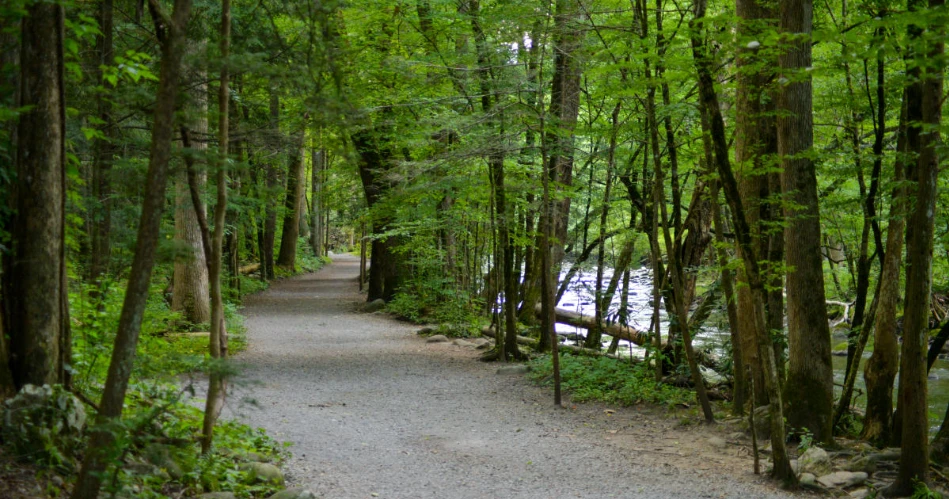
The Gatlinburg Trail is a strong choice for travelers who want relaxing hikes Gatlinburg can offer without heading into a difficult mountain route. The trail runs through the park from the Gatlinburg area and follows the West Prong of the Little Pigeon River, creating a pleasant combination of woodland and water scenery. The National Park Service lists it as 2 miles one way, meaning hikers can choose how far they want to go before turning around rather than feeling committed to completing a difficult loop.
One feature that makes this trail especially useful for a laid-back day is that dogs are permitted on the Gatlinburg Trail. It is one of only two park trails where pets are allowed, along with the Oconaluftee River Trail.
The trail is also a good option when the group includes people with different energy levels. A couple can walk a shorter section and return, while more energetic hikers can continue farther. The river provides plenty of natural scenery along the route, so there is no need to turn the walk into a race. A relaxed pace allows visitors to notice the changing forest, small river views, and the transition between town and the national park landscape.
Spending the Afternoon Beside the River

After a morning hike, an afternoon beside the river can make the day feel considerably less demanding. Instead of adding another major trail, travelers can choose a suitable picnic area or a quiet place where stopping is permitted and spend time listening to the water and enjoying lunch. This is especially useful during warmer months when a long afternoon hike can become tiring.
The rivers and streams of the Smokies are beautiful, but they should be treated with respect. The National Park Service warns visitors not to climb to the tops of waterfalls because wet rocks can be extremely slippery and falls have resulted in serious injuries and deaths. Swimming and tubing are also not recommended in the park.
A better approach is to stay on established paths and enjoy the scenery from safe locations. Travelers can pack a simple lunch, plenty of drinking water, and a light layer because mountain weather can change quickly. A river break is also an opportunity to put the camera away for a while. Sitting beneath the trees, watching the current move around rocks, and listening to the forest can be just as memorable as reaching another viewpoint.
This slower afternoon rhythm is particularly appealing for visitors who have spent the morning walking. It leaves enough energy for the journey back toward Gatlinburg without ending the day exhausted.
Making Time for the Roaring Fork Area
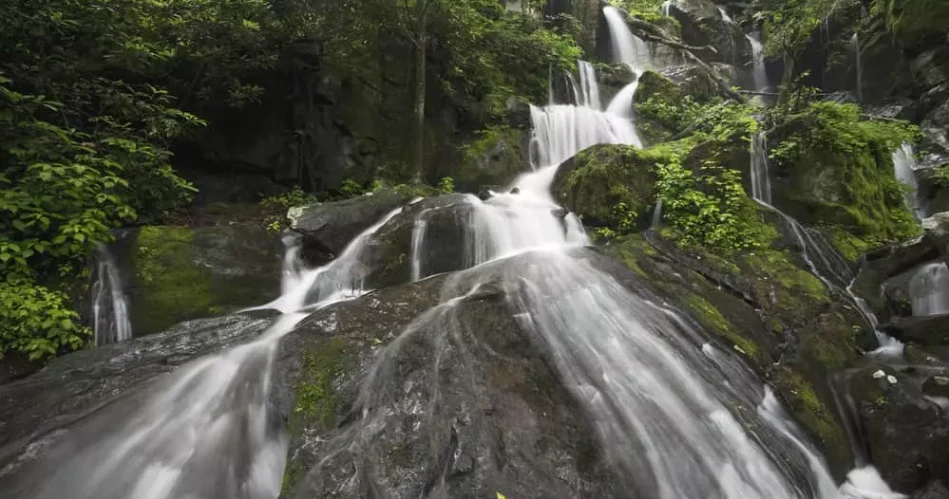
For travelers who want more scenery without committing to another long hike, the Roaring Fork area can add variety to a day around Gatlinburg. The Roaring Fork Motor Nature Trail is a one-way scenic drive with access to several hiking opportunities. The National Park Service notes that the entrance is near Gatlinburg at traffic light #8, with the route continuing through the Cherokee Orchard area.
The drive itself can be treated as part of the experience. Rather than stopping at every possible trailhead, visitors can choose one short walk and spend the remaining time enjoying the mountain road and natural surroundings. The area includes the trailhead for Grotto Falls, although parking there is very limited. There is also the Place of a Thousand Drips, a roadside waterfall feature that can be seen toward the end of the drive.
This combination works particularly well for travelers who have already completed a morning hike. A scenic drive gives tired legs a break while still keeping the day centered on nature. It also creates a natural transition into the evening, when the group can return toward Gatlinburg for dinner rather than squeezing another strenuous hike into the schedule.
The main idea is to leave room for unplanned stops. Mountain roads, overlooks, streams, and historic surroundings often make a trip memorable even when they were not the original item on the itinerary.
Practical Tips for a Comfortable Hiking Day

A relaxing hiking day depends as much on preparation as it does on choosing the right trail. Conditions in Great Smoky Mountains National Park can change, and the National Park Service recommends checking current trail hazards and closures before starting. More than 800 miles of trails cross the park, and conditions can include erosion, fallen trees, swollen streams, or damaged bridges.
Visitors who park inside the park for more than 15 minutes need a valid parking tag. Current 2026 rates are $5 for a daily tag, $15 for a weekly tag, and $40 for an annual tag. The tag is separate from an entrance fee; Great Smoky Mountains National Park does not charge an entrance fee.
Good footwear is another priority. Even an easy trail can have roots, rocks, mud, or uneven ground. Water, snacks, rain protection, a map, and a flashlight or headlamp are sensible items to carry. Cell service is extremely limited in many areas, so visitors should not rely entirely on a phone for navigation or emergencies.
Wildlife awareness matters as well. Black bears live throughout the park, and hikers should never approach or feed wildlife. Staying on designated trails, keeping the group together, and allowing the slowest hiker to set the pace are simple habits that make the day safer and more enjoyable.
Planning the Day Around Comfort Rather Than Distance
The most enjoyable hiking around Gatlinburg does not necessarily involve covering the greatest distance. A thoughtful itinerary can begin with a short morning walk near Sugarlands, continue with a waterfall or cascade hike, include a long lunch and river break, and finish with a scenic drive through an area such as Roaring Fork. This structure gives travelers several different experiences without forcing them to rush from one trailhead to another.
It is also worth keeping a backup plan. Popular trailheads can fill early, and the National Park Service specifically recommends considering alternate hikes or shuttles when parking areas are crowded. This matters especially for visitors traveling during weekends, holidays, or peak summer periods.
Weather should influence the plan too. A trail that feels comfortable in cool morning temperatures can become much harder later in the day. Mountain weather can change rapidly, so flexible scheduling is better than building the entire day around one trail. If rain arrives, a scenic drive, visitor center stop, or shorter walk may make more sense than pushing through a longer route.
The goal is to finish the day with enough energy to appreciate Gatlinburg afterward. A relaxed hiking trip should leave travelers pleasantly tired, not completely worn out. Choosing shorter routes, taking regular breaks, and allowing time for scenery creates a much more rewarding experience than chasing mileage.
Ending the Day With the Smokies Still Around
As the afternoon fades, the return toward Gatlinburg can be part of the experience rather than simply the end of the hiking schedule. After several hours among streams, hardwood forests, mountain roads, and waterfalls, the contrast between the quiet trails and the activity of town becomes noticeable. That contrast is one of the pleasures of spending a day in this area: nature is remarkably close to Gatlinburg, so visitors do not need to dedicate an entire vacation to strenuous backcountry hiking to experience the Smokies. A final short stop can be more satisfying than squeezing in another major trail. Travelers might choose a scenic pull-off, spend a few minutes near the river, or simply take their time driving back. The National Park Service recommends driving carefully because Smokies roads can be narrow and winding, with blind curves, steep drop-offs, heavy traffic, and wildlife crossings. For first-time visitors, this kind of day provides a useful introduction to Great Smoky Mountains hiking without making the trip feel like an endurance challenge. Returning visitors can use the same approach to experience different trails at a slower pace. With hundreds of miles of trails available, there is little reason to rush. A peaceful walk, a waterfall, a riverbank lunch, and a scenic drive can create a full day outdoors while still leaving room to appreciate the small details that make the mountains memorable.
Next post Best Places to Stop for Mountain Views Near Gatlinburg
Previous Post Where to Find Waterfalls Near Gatlinburg
About Author