English

 Home
Home Hotels
  Car Rental
 Rewards
 Travel Guide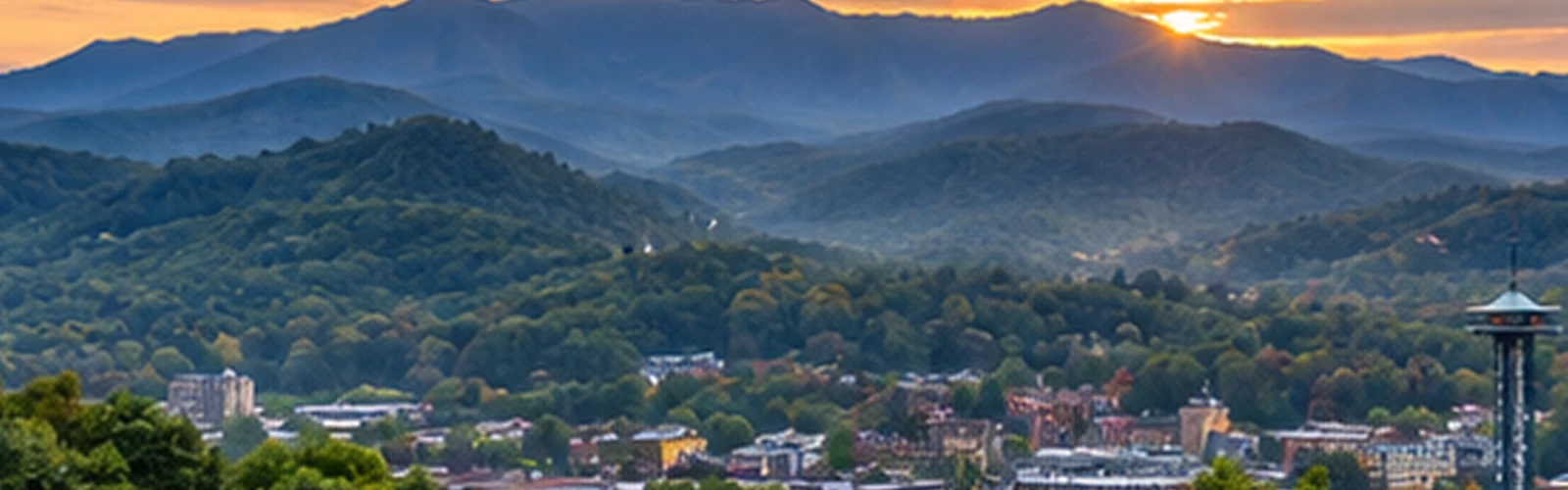
What a Good Day Around Gatlinburg Actually Looks Like

A good day around Gatlinburg usually gets better the moment the schedule becomes a little less ambitious.
That can be difficult to believe while looking at a map. Great Smoky Mountains National Park begins practically at the edge of town. Waterfalls, mountain roads, observation decks, chairlifts, shops, restaurants and walking trails all seem close enough to combine. On paper, another stop always looks possible.
In practice, Gatlinburg is more enjoyable when visitors stop treating proximity as a reason to hurry.
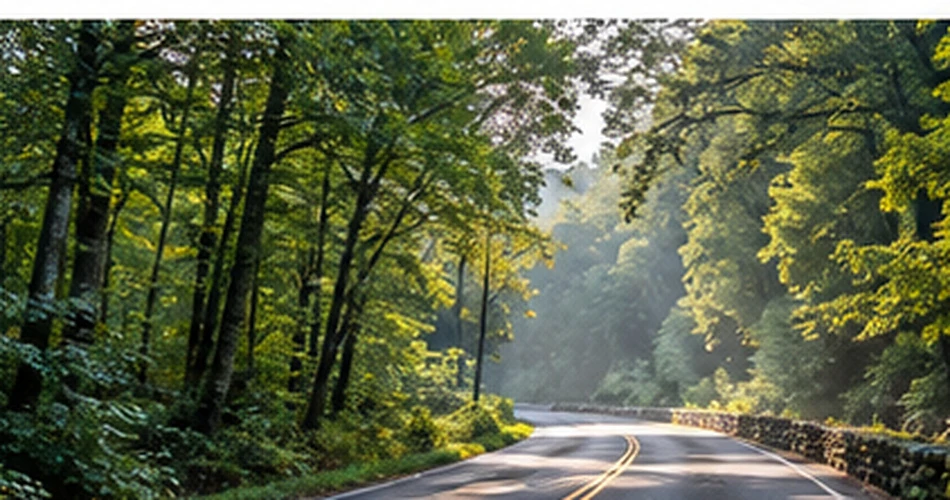
A well-paced Gatlinburg day itinerary can begin with damp forest paths and the sound of Fighting Creek, move onto a narrow road where old cabins appear between the trees, and still leave plenty of afternoon for downtown Gatlinburg. By evening, the same person who spent the morning beneath rhododendron and tulip poplars can be standing above town watching the lights come on.
That contrast is the pleasure of the place.
The aim is not to collect as many things to do in Gatlinburg as daylight allows. It is to give the park a real morning, downtown a proper afternoon and the mountains one last look before dark. There should also be enough unused time for lunch to run long, traffic to move slowly or a good viewpoint to keep someone standing there for another ten minutes.
Give the First Part of the Day to the Smokies
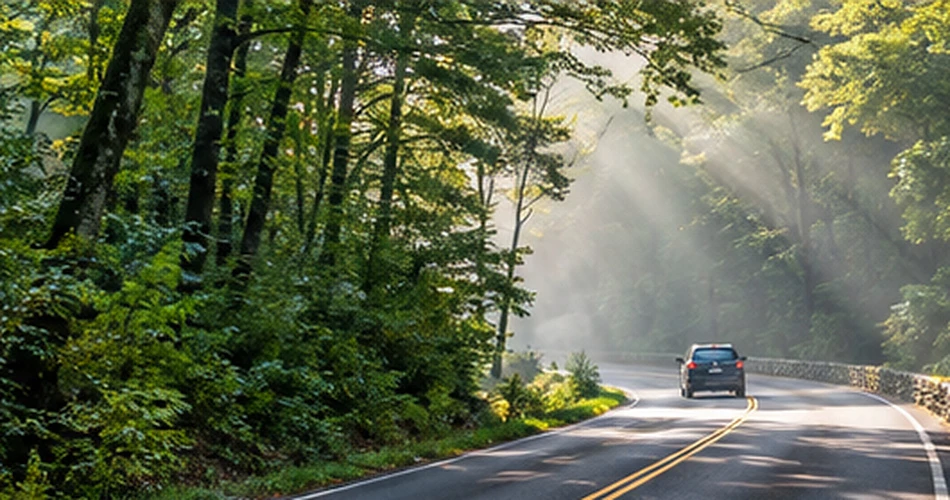
The nicest change in a Gatlinburg morning happens quickly. A few minutes after leaving storefronts and traffic lights behind, the road begins following wooded slopes and the town noise falls away. That is why Great Smoky Mountains National Park makes more sense first than last.
Morning temperatures are often more comfortable for walking, and popular park areas generally become harder to park at as the day builds. There is another reason to begin here: once visitors settle into downtown later, there is little benefit in pulling the car back out simply to retrace the same road toward the park.
The Smokies do not charge a general entrance fee, but there is an important distinction visitors sometimes miss. Any vehicle parked inside the national park for more than 15 minutes needs a valid parking tag. Current rates are $5 for a daily tag, $15 for a weekly tag and $40 for an annual tag. The tag must be physically displayed, and buying one does not reserve a parking space.
That is worth sorting out before the first walk.
The morning itself does not need to begin with a strenuous trail. For this particular day, a shorter walk works better. There will be plenty of time on another trip for a long summit hike.
Spend a Proper Hour Around Sugarlands Visitor Center
Sugarlands Visitor Center is only about two miles south of Gatlinburg, but it feels like a useful dividing line between town and mountain time. Instead of treating it as somewhere to grab a map and leave, a good day gives this area at least an hour.
The visitor center has park information, exhibits, maps, restrooms, drinking water and staff who can help with current conditions. Its setting also makes it unusually easy to add a short forest walk without another drive.
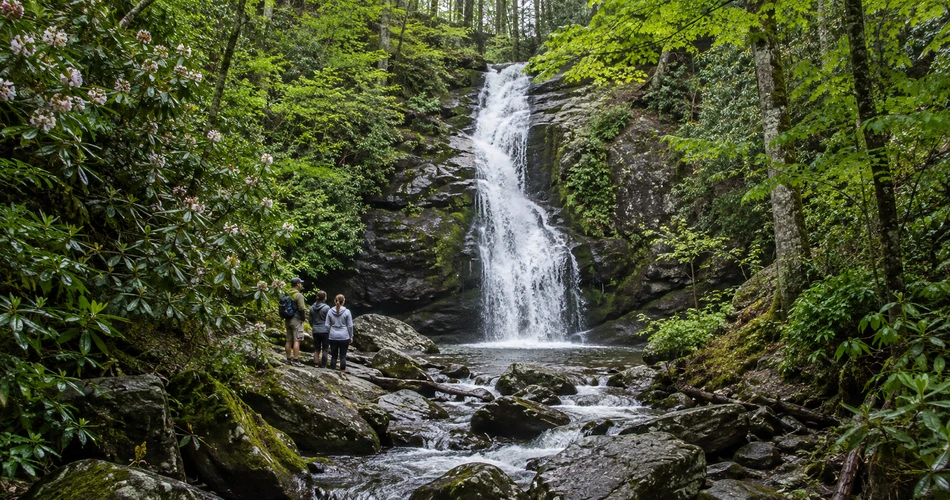
The obvious choice is Cataract Falls. The round-trip walk from Sugarlands is about 0.7 mile and follows Fighting Creek through the woods to a narrow waterfall roughly 40 feet high. It is not one of the Smokies' huge waterfall hikes, and that is exactly why it works here. The path is short enough to wake up the legs without claiming the entire morning. The waterfall generally has more presence after rainfall, while drier periods can make it considerably lighter. Visitors should stay at the base; the National Park Service warns against climbing around the falls.
For an even gentler option, the nearby Sugarlands Valley Nature Trail is a paved half-mile accessible loop.
This is the kind of start Gatlinburg does well: enough walking to smell the forest and hear the creek, but not enough to make lunchtime feel like recovery.
Let Roaring Fork Set the Pace for the Rest of the Morning
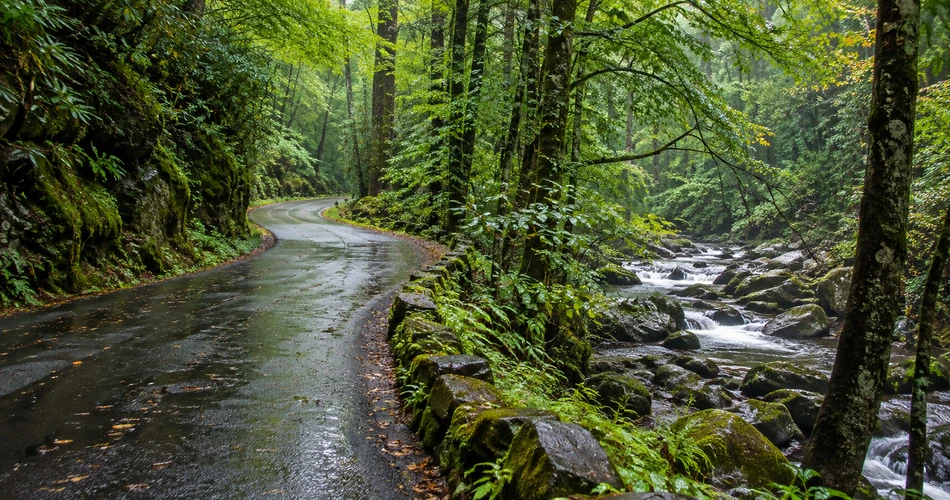
There is a moment on Roaring Fork Motor Nature Trail when the road narrows, the trees crowd closer and downtown seems much farther away than it really is. That is the part worth coming for.
The motor nature trail is a 5.5-mile, one-way scenic road through forest, mountain streams and historic settlement areas. It is narrow and winding rather than grand and open, so this is not a Gatlinburg scenic drive built around long-distance overlooks. Its appeal is closer to the car: moss-covered rocks, old log buildings, rushing water and forest that seems to press right against the roadside.
Before the one-way section begins, the Noah “Bud” Ogle farmstead is worth considering as a short stop. Farther along, the Trillium Gap Trail provides access toward Grotto Falls, but that hike changes the shape of this itinerary and is better saved for a morning when hiking is the main event. Near the later part of the motor trail, Place of a Thousand Drips spills over a roadside rock face and is particularly noticeable after wet weather.
There is no need to keep jumping out of the vehicle. Half the pleasure is simply lowering the speed and letting the road do the work.
The road is seasonal, parking around trailheads can be limited, parking tags cannot be purchased along the motor nature trail, and buses, trailers and motor homes are prohibited. Road status should therefore be checked with the National Park Service before setting out.
Come Back Downtown When the Car Is No Longer Useful
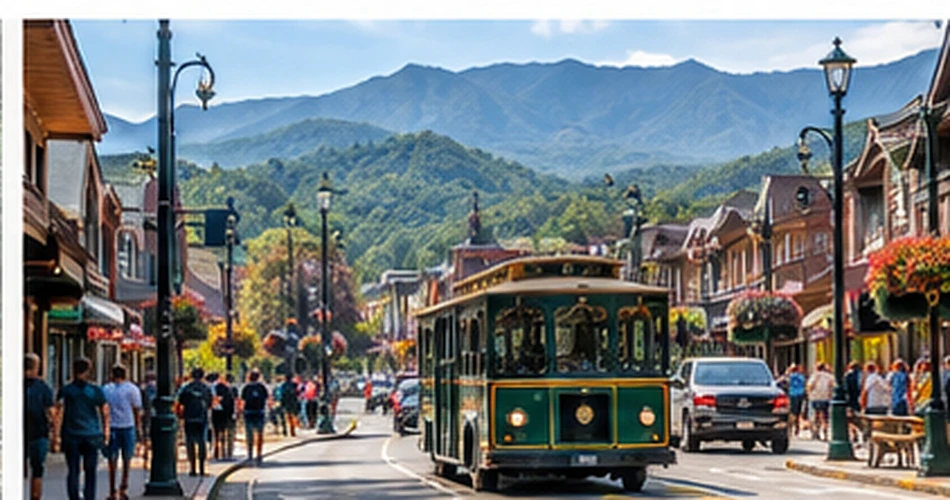
By lunchtime, returning to downtown Gatlinburg feels completely different from starting there first thing in the morning. The park has already supplied the quieter half of the day, so the busier sidewalks no longer feel like something that needs escaping.
This is the right point to park once and stop planning around the vehicle.
Much of central Gatlinburg's shopping, dining and major attractions sit close enough together for walking, and the free Gatlinburg trolley provides another option when feet need a break. The system currently operates every day of the year, with hours that vary by season and route. All trolleys use the Mass Transit Center near Ripley's Aquarium of the Smokies, and there is no fare to ride.
Lunch should be allowed to take as long as it takes. After that, the Parkway is better approached without a list. This is where travelers notice small things that rarely survive an overplanned itinerary: side streets, older-looking storefronts tucked between larger attractions, a quiet bench or the sudden view of green mountains at the end of a busy street.
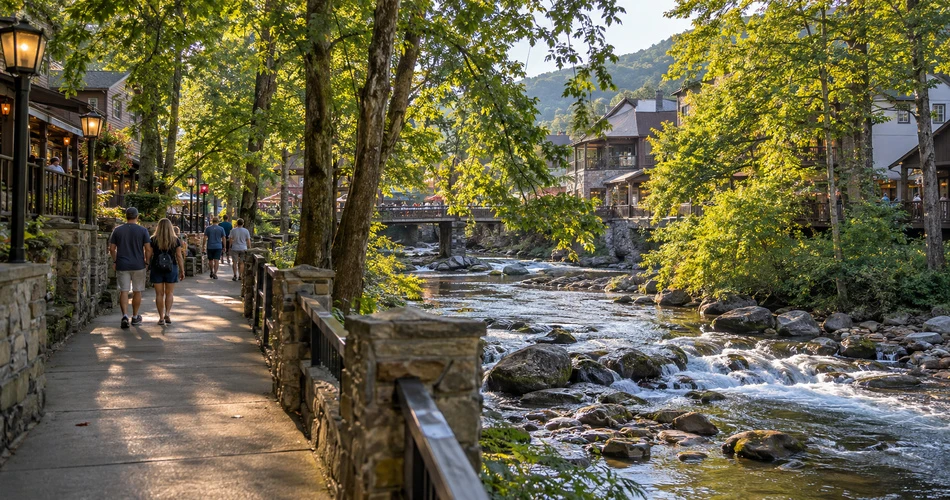
When the Parkway starts feeling noisy, slipping toward River Road and the Little Pigeon River can change the mood without actually leaving downtown.
That contrast is easy to miss when the day is spent moving between parking garages.
Choose One Mountaintop Experience Instead of Collecting Them
Gatlinburg makes it very easy to keep buying another view of the same mountains. The better approach is to pick the type of afternoon that suits the group and give that place enough time to feel worth going up.
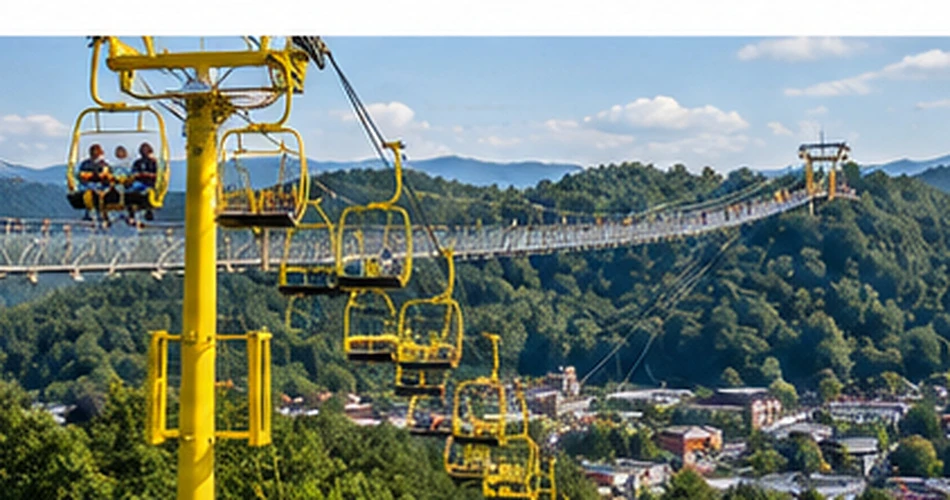
Gatlinburg SkyPark makes sense for visitors who want the classic yellow SkyLift, a broad view back over town and a walk across the SkyBridge. The bridge spans almost 700 feet across the valley and includes a 30-foot glass section near the middle. The mountain now also has about 1.5 miles of hiking trails, so the visit can stretch beyond simply riding up, crossing the bridge and immediately riding down.
Anakeesta suits a different afternoon. The Crystal Express gondola carries guests more than 600 vertical feet from the Parkway to the mountaintop. The new system opened in 2026 with all-glass cabins and a ride of roughly four minutes. Once on the mountain, visitors can spend time around Vista Gardens, the Treetop Skywalk and AnaVista Tower, where 86 steps lead to a 360-degree observation platform.
Neither needs to be followed immediately by the other.
That is the traveler decision that makes the afternoon better: one mountain, enough time, no race back to the pavement.
Give the Afternoon Some Time That Has No Assignment
A tightly planned itinerary usually has an awkward hour in the middle of the afternoon: too late to begin something major, too early for dinner, and somehow already spoken for by another reservation.
Gatlinburg is better when that hour stays empty.
After coming down from a mountaintop attraction, visitors can simply walk. The central Parkway is compact enough that a snack, a shop and a bench beside the river can fill an hour without feeling like wasted time. That is also when returning travelers tend to notice places they walked straight past on a first visit.
There is no need to turn every storefront into an attraction. A good Smoky Mountains itinerary benefits from a stretch where nobody is trying to “complete” anything.
This breathing room is particularly useful for families. Someone may want ice cream. Someone else may need to sit down. Weather may roll over the mountains for twenty minutes. A trolley may be easier than another half-mile walk. Those are normal parts of a travel day, and leaving space for them is far more realistic than pretending everything will happen at the exact hour written on a phone.
The free trolley is especially handy here because riders can board at stops around town rather than returning to the car each time plans shift.
This unassigned hour often ends up being one of the most pleasant parts of the afternoon.
Keep One View in Reserve for Late Afternoon
Mountain views look different when the sun gets lower. Midday reveals detail, but late afternoon begins separating the Smokies into layers. The closest ridges stay dark green while the farther ones soften into blue and gray, especially when the usual Appalachian haze is present.
That makes it worth saving one elevated view instead of using every lookout before lunch.
If the afternoon is already being spent at SkyPark or Anakeesta, there is no reason to rush away. Sitting with the same view as the light changes can be more memorable than reaching another observation deck simply because it appears on a list of things to do in Gatlinburg.
Visitors who did not choose a full mountaintop attraction have another straightforward option downtown. The Gatlinburg Space Needle stands 407 feet above the city, with glass elevators carrying visitors to an observation level offering 360-degree views across Gatlinburg and the surrounding mountains.
The weather gets the final say. A cloud bank can swallow the distant ridges. Summer haze can soften the horizon. A clear cold day may expose far more detail than expected.
A professional travel plan leaves room for that uncertainty instead of promising a perfect sunset.
Sometimes the best late-day stop lasts twenty minutes. Sometimes nobody wants to leave until the street lights below have switched on.
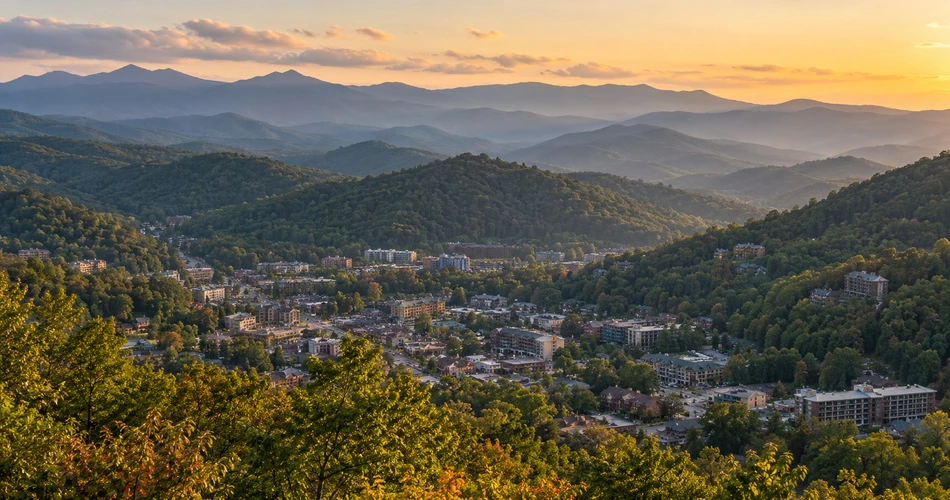
Let the Evening Become Simpler, Not Busier
By evening, a good Gatlinburg day should feel as though it is winding down rather than beginning a second itinerary.
Dinner, a slow walk and perhaps one last stop are enough.
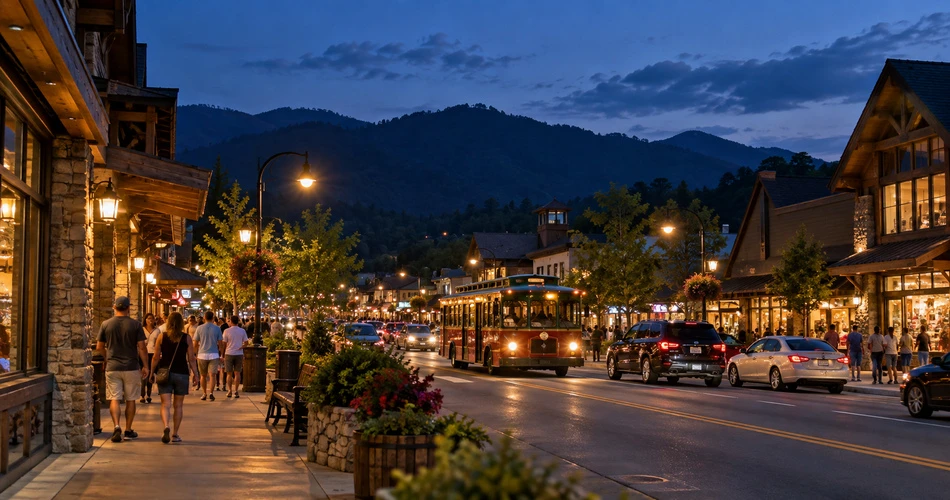
The town becomes visually different after daylight leaves the valley. The mountains turn into dark shapes above the rooftops while storefronts and attraction lights become more noticeable. Visitors who only see downtown in midday crowds can miss how much the atmosphere changes once there is no longer somewhere they need to drive.
During the regular May-through-October schedule, Gatlinburg's main trolley service currently operates from 8:30 a.m. until midnight; winter hours are shorter, and individual routes can have different schedules. Anyone relying on the trolley late in the evening should check the current timetable rather than assume the same operating hours year-round.
This is a good time to revisit the Parkway without turning it into another sightseeing mission. A dessert, a little people-watching or a quieter walk toward the river can finish the day more naturally than another major ticketed attraction.
There is also something satisfying about looking toward the mountains at night after having spent the morning inside them. Earlier in the day they were streams, trees and narrow roads. By evening they are mostly silhouettes beyond town.
That is a better ending than simply ticking off one more stop.
A Few Practical Choices Keep the Day Feeling Easy
Gatlinburg does not require military-level planning, but a few details are worth settling before leaving for the morning.
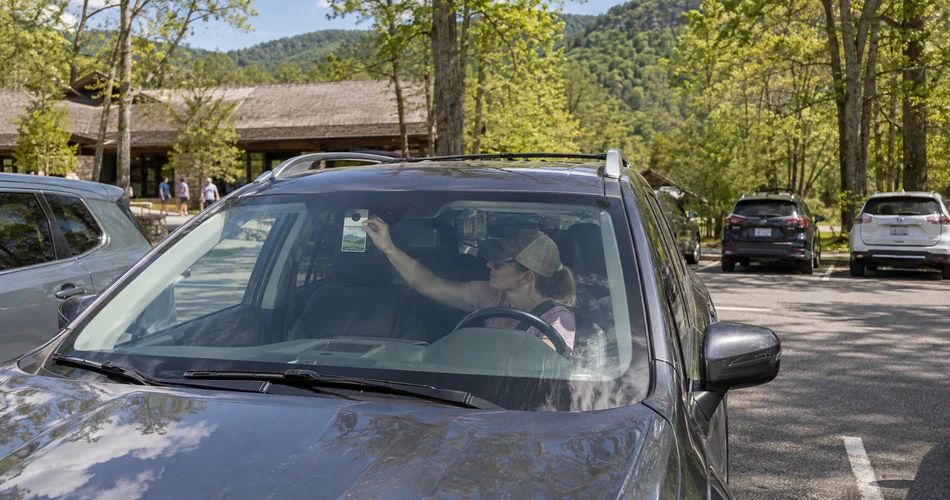
The first is the national park parking tag. A physical tag is required when a vehicle is parked in Great Smoky Mountains National Park for more than 15 minutes, and tags bought online must be printed rather than shown digitally. Sugarlands has both an in-person sales location and a parking-tag machine, but popular trailheads do not necessarily have machines of their own.
The second is road status. Roaring Fork Motor Nature Trail closes during part of the year and can also be affected by temporary maintenance or weather conditions, so checking the current National Park Service status before driving toward it prevents an unnecessary detour.
A few other choices make the day easier:
- Comfortable walking shoes matter even when no major hike is planned.
- Water should stay in the car for the park portion of the morning.
- A light layer is useful when temperatures change with elevation or weather.
- Only one major paid mountain attraction needs to fit into the afternoon.
- Popular park parking areas are better approached with a backup plan.
None of those tips makes the itinerary more complicated. They do the opposite: they prevent small logistical issues from taking over a day that was supposed to feel easy.
Image Idea: A realistic travel-planning moment at Sugarlands Visitor Center parking area, with a visitor placing a physical Smokies parking tag correctly inside a parked vehicle while the wooded visitor-center setting remains visible beyond. Keep license plates unreadable and avoid showing private information or prominent text.
Leave Something Worth Coming Back For
The easiest mistake in Gatlinburg is assuming that anything missed today has somehow been lost.
It has not.
A single day does not need Kuwohi, Newfound Gap, a long waterfall hike, every mountaintop attraction, every downtown stop and a scenic drive. In fact, trying to combine all of those would remove much of what makes the area enjoyable in the first place.
A better Gatlinburg day itinerary ends with obvious reasons to return.
Maybe that means leaving Grotto Falls for a morning when there is time for the full hike. Maybe the next trip goes farther along Newfound Gap Road toward the high country. Maybe the next day skips the park completely and spends more time around downtown. The Smokies are large enough, and Gatlinburg varied enough, that there is no sensible way to finish them in one visit.
What makes this particular day work is its rhythm: forest first, a short walk, a slow road, lunch back in town, one mountain experience and an evening with no pressure to squeeze anything else in.
It feels full without feeling overfilled.
That is usually the difference between a day that looks impressive on an itinerary and one that travelers actually want to repeat.
Next post A Few Gatlinburg Places Worth Saving for Later in the Day
Previous Post The Stops Around Gatlinburg That Make You Want to Linger
About Author