English

 Home
Home Hotels
  Car Rental
 Rewards
 Travel Guide
 Where to See Wildflowers Around Gatlinburg Throughout the Year

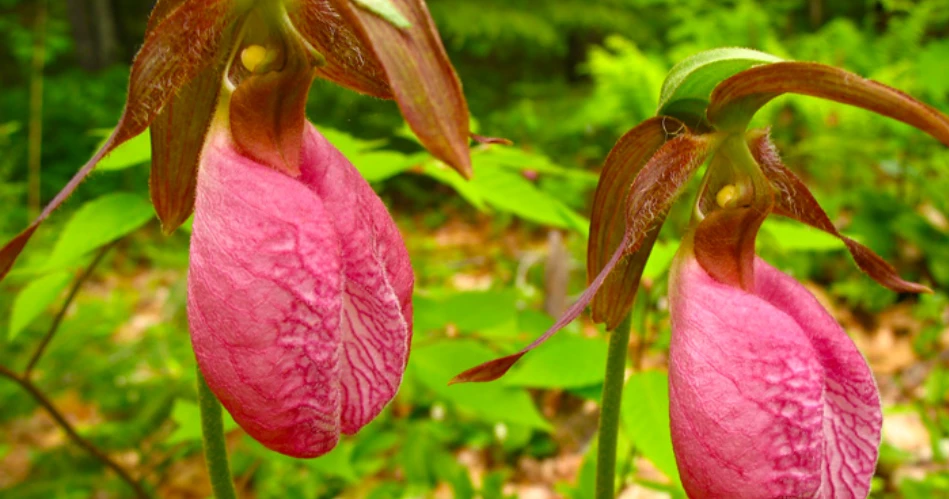
Few destinations in the southeastern United States offer the variety of native wildflowers found in and around Gatlinburg. Nestled beside Great Smoky Mountains National Park, the town provides easy access to forests, valleys, streams, and mountain meadows that bloom in different colors throughout the year. More than 1,500 species of flowering plants have been documented within the national park, making it one of the most botanically diverse protected areas in North America. Because flowers bloom at different elevations and in different habitats, visitors can enjoy colorful displays from late winter through autumn.
Whether travelers are interested in peaceful walks, scenic drives, photography, or challenging hikes, discovering Where to See Wildflowers Around Gatlinburg Throughout the Year offers a rewarding way to experience the Smokies. From delicate spring ephemerals carpeting the forest floor to vibrant autumn asters decorating mountain roadsides, every season presents a new reason to explore the region's remarkable natural beauty.
Best Seasons for Wildflower Viewing Around Gatlinburg
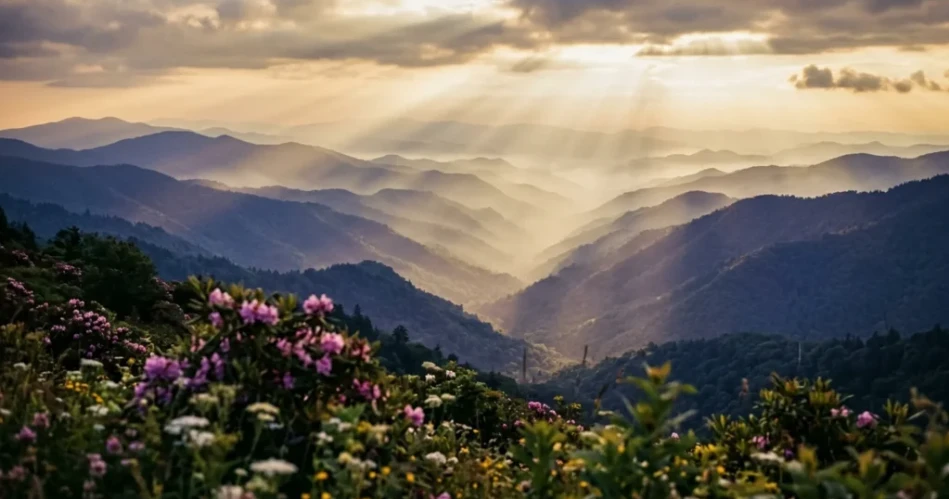
The changing seasons create an ever-evolving display of Great Smoky Mountains wildflowers, ensuring there is always something blooming for visitors. Spring is undoubtedly the most famous season, especially from late March through May, when forests come alive with trilliums, violets, bloodroot, Dutchman's breeches, and wild geraniums. These early bloomers thrive before the tree canopy fully develops, allowing sunlight to reach the forest floor.
Summer transforms the mountains with taller flowering plants, including bee balm, black-eyed Susans, cardinal flowers, mountain laurels, and rhododendrons. Higher elevations often bloom later than lower valleys, extending the flowering season well into July.
Autumn may not be the first season travelers associate with flowers, but goldenrods, asters, ironweed, and various native grasses add impressive colors alongside changing fall foliage. Even winter offers occasional surprises with evergreen landscapes, witch hazel blooming during mild spells, and preparations for the next growing season.
Understanding these seasonal patterns helps visitors plan their trips according to their favorite blooms while enjoying the constantly changing scenery of seasonal flowers in Gatlinburg throughout the year.
Best Wildflower Trails Near Gatlinburg
Several Gatlinburg wildflower trails provide exceptional opportunities to experience native blooms while enjoying the natural beauty of the Smokies. Trail difficulty ranges from easy walks suitable for families to more challenging hikes for experienced adventurers.
Porters Creek Trail
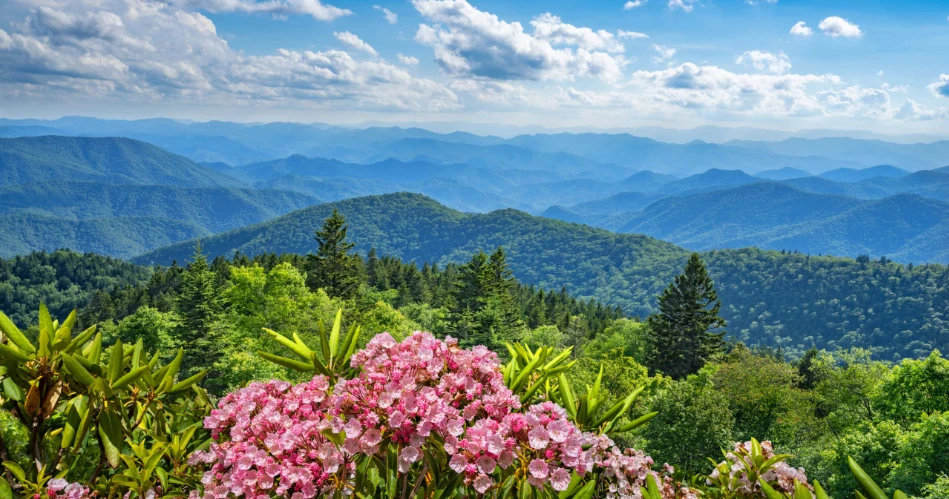
One of the region's most celebrated spring wildflower destinations, Porters Creek Trail features carpets of trilliums, phlox, bloodroot, violets, and jack-in-the-pulpit. Historic stone walls, bridges, and old homesteads add cultural interest along this peaceful route.
Little River Trail
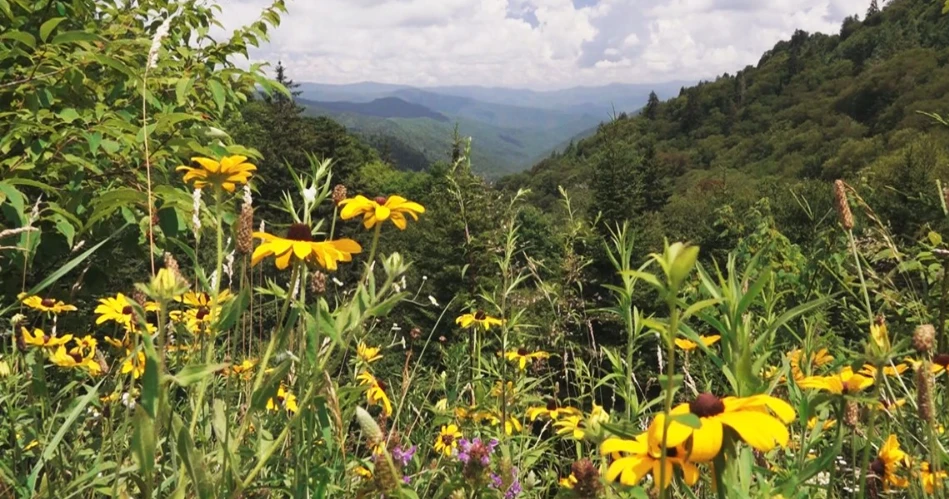
This relatively gentle hike follows the Little River through shaded forests where visitors can admire spring ephemerals and summer flowering shrubs. The riverside scenery creates excellent photography opportunities throughout the year.
Schoolhouse Gap Trail
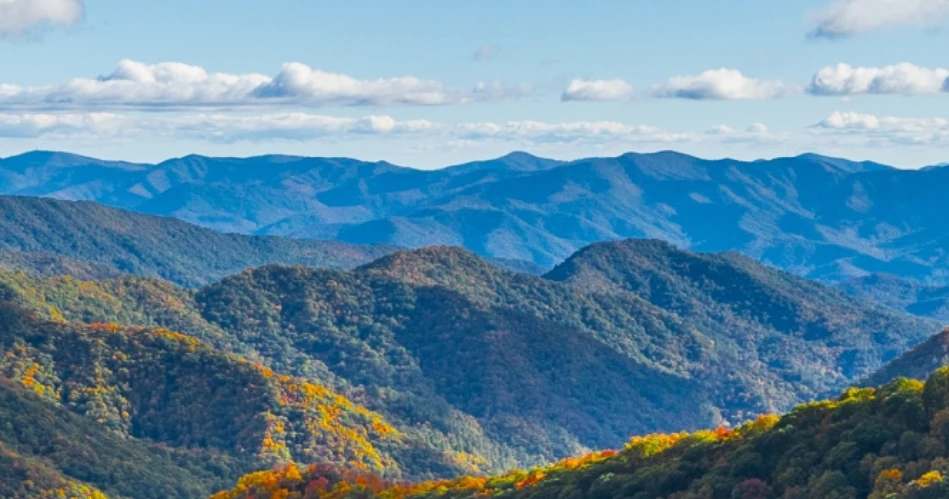
Schoolhouse Gap offers a quieter hiking experience with a wide variety of native woodland flowers. Its moderate terrain makes it suitable for many visitors seeking a less crowded alternative.
Cove Hardwood Nature Trail
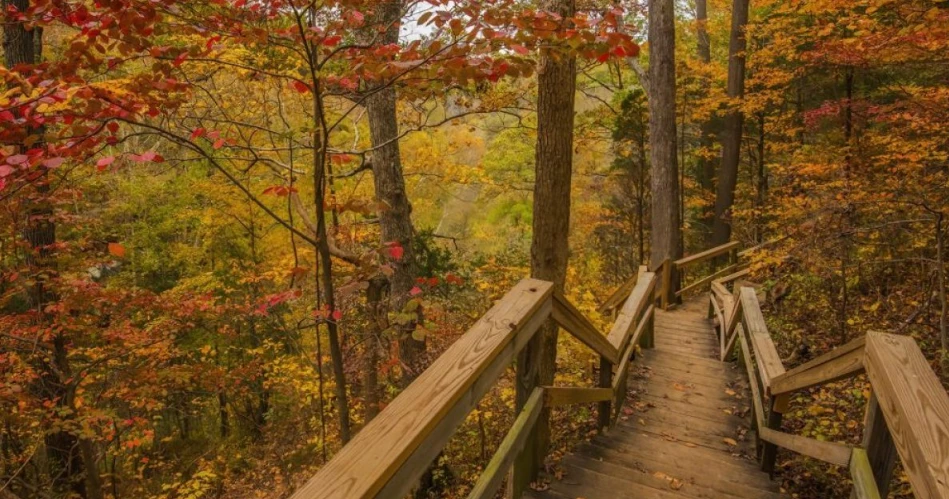
This short interpretive trail near the park entrance is ideal for travelers with limited time. Informational signs explain local plant life while showcasing many native species during spring and summer. The trail's accessibility makes it popular among families and casual walkers interested in spring wildflowers Gatlinburg without committing to a lengthy hike.
Scenic Drives and Easy Walks for Seasonal Blooms
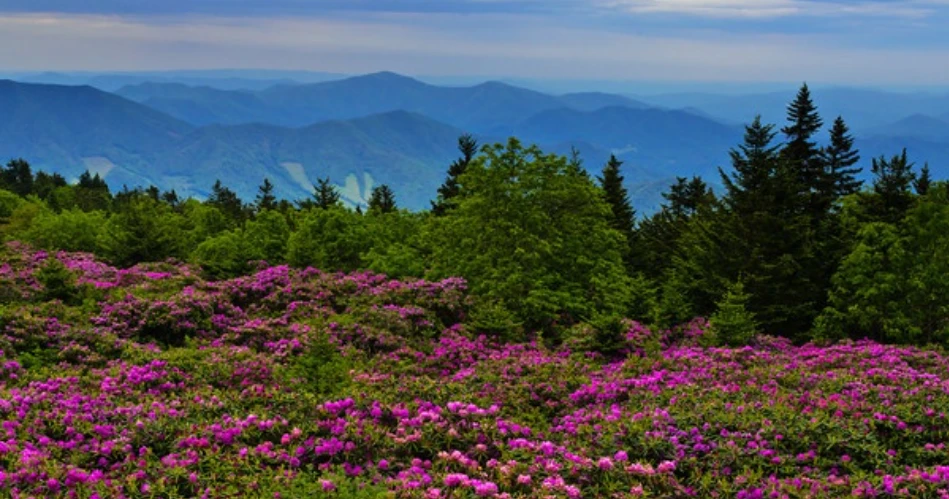
Not every visitor wishes to tackle mountain hikes, and fortunately, several scenic routes provide outstanding opportunities to enjoy Great Smoky Mountains wildflowers from the comfort of a vehicle or during short walks. These locations allow travelers of all ages and abilities to appreciate the region's floral diversity.
The Roaring Fork Motor Nature Trail is especially popular during spring and early summer. This one-way scenic drive passes rushing streams, historic cabins, moss-covered forests, and numerous roadside wildflowers. Pull-offs along the route offer safe places to stop for photography and short explorations.
Newfound Gap Road gradually climbs from Gatlinburg into higher elevations where blooming seasons arrive weeks later than in the valleys. This elevation change allows visitors to extend their wildflower viewing opportunities well into early summer.
Cades Cove Loop Road also provides excellent seasonal flower viewing. Open meadows, historic churches, and forest edges support a wide variety of flowering plants while offering opportunities to spot wildlife such as deer, wild turkeys, and black bears.
Many roadside picnic areas and short nature paths also feature impressive displays of seasonal flowers in Gatlinburg, making it easy for visitors with limited mobility or young children to enjoy the colorful landscapes.
Tips for Photographing and Enjoying Wildflowers Responsibly
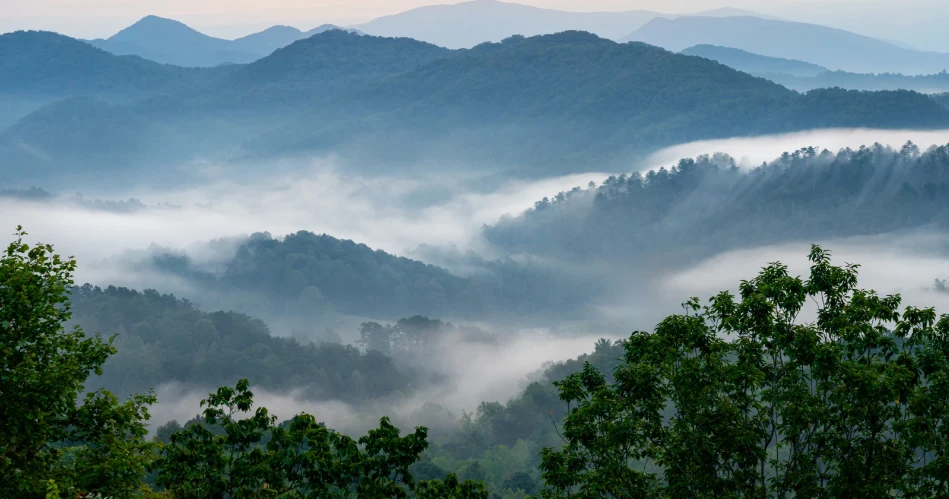
The abundance of flowers attracts photographers from around the world, but preserving these delicate ecosystems requires responsible behavior. Staying on designated trails protects fragile plants that can be damaged by even a few footsteps. Many spring wildflowers require years to establish themselves, making conservation especially important.
Morning and late afternoon provide the softest natural lighting for photography. After gentle rainfall, flowers often appear more vibrant while water droplets enhance close-up images. A macro lens or smartphone macro attachment can reveal intricate flower details that are easily overlooked.
Leave No Trace Principles
Visitors should avoid picking flowers, collecting seeds, or disturbing natural habitats. Every plant contributes to the health of the ecosystem by supporting insects, birds, and other wildlife.
Wildlife Awareness
Flowers often attract butterflies, bees, hummingbirds, and other pollinators. Maintaining a respectful distance allows both wildlife and photographers to enjoy the environment safely.
Planning Around Bloom Times
Bloom schedules vary each year depending on weather conditions, elevation, and rainfall. Checking seasonal updates before visiting helps travelers maximize their chances of seeing peak displays along the best Smoky Mountains hiking trails.
Responsible exploration ensures future visitors can continue enjoying these remarkable landscapes for generations.
Planning the Perfect Wildflower Trip to Gatlinburg
Planning ahead significantly improves the experience of exploring Where to See Wildflowers Around Gatlinburg Throughout the Year. Spring weekends can become especially busy as visitors arrive to witness the famous wildflower displays, so early morning starts often provide quieter trails and better parking availability. Comfortable hiking shoes, layered clothing, reusable water bottles, insect repellent, sunscreen, and a lightweight rain jacket are recommended for changing mountain weather. Since temperatures vary considerably between lower valleys and higher elevations, dressing in layers helps visitors remain comfortable throughout the day. Maps from visitor centers provide valuable information about trail conditions, distances, and seasonal recommendations. Those interested in learning more about native plants may also enjoy ranger-led programs, seasonal nature walks, and educational exhibits available within the national park. Photography enthusiasts should carry extra batteries and memory cards, while birdwatchers may wish to pack binoculars because many flowering habitats attract diverse wildlife. Combining scenic drives with short hikes allows travelers to experience several different ecosystems in a single day, increasing opportunities to observe the remarkable diversity of Gatlinburg wildflower trails and the surrounding mountains.
Beyond Spring: Why Every Season Offers Something Special
Although spring receives most of the attention, every season presents unique opportunities for nature lovers. Summer introduces towering wildflowers, flowering shrubs, lush green forests, and active pollinators that create vibrant mountain scenes. Rhododendrons and mountain laurels produce spectacular blossoms along higher elevation roads and trails.
Autumn combines late-season flowers with brilliant displays of red, orange, and golden foliage. Goldenrods and asters continue blooming while crisp temperatures make hiking especially comfortable. This season also attracts fewer visitors than peak spring, creating a quieter outdoor experience.
Winter showcases a different kind of beauty. Bare trees reveal mountain vistas hidden during warmer months, while evergreen forests provide peaceful hiking conditions. Mild winter days occasionally reveal early blooms of witch hazel, hinting at the coming spring season.
Because flowering cycles differ according to elevation, weather, and habitat, repeat visits often reveal entirely different landscapes. This year-round variety makes the Smokies one of the country's finest destinations for appreciating native plant diversity beyond a single blooming season.
Exploring Where to See Wildflowers Around Gatlinburg Throughout the Year offers far more than beautiful scenery. It provides an opportunity to experience one of North America's richest collections of native flowering plants while discovering scenic trails, peaceful forests, mountain streams, and breathtaking overlooks. Whether visitors choose easy roadside viewpoints, family-friendly walks, or longer Smoky Mountains hiking trails, every season reveals a different chapter of the region's natural story.
From delicate spring wildflowers Gatlinburg is famous for to colorful summer blooms and vibrant autumn flowers, each visit brings fresh discoveries. By planning according to bloom seasons, respecting natural habitats, and exploring responsibly, travelers can fully appreciate the extraordinary beauty of Great Smoky Mountains wildflowers while creating memorable outdoor experiences that inspire return visits throughout the year.
Next post The Prettiest Picnic Views Near Gatlinburg
Previous Post Peaceful Places to Relax by the River in Gatlinburg
About Author