English

 Home
Home Hotels
  Car Rental
 Rewards
 Travel Guide
A Slower Way to Experience Gatlinburg

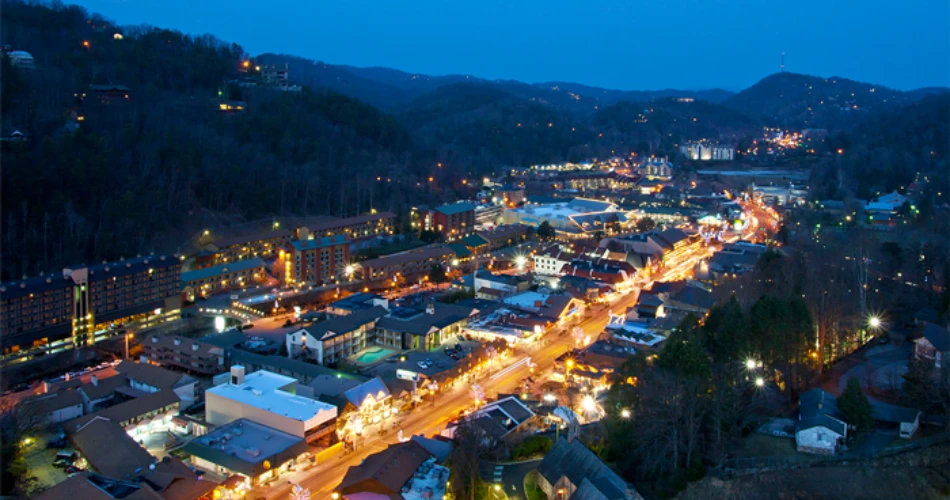
Gatlinburg is often presented as a place where visitors should fit as much as possible into a single day: mountain attractions in the morning, shopping in the afternoon, dinner downtown, and another activity before bed. But the town makes just as much sense when the schedule is turned upside down. Instead of racing from one attraction to another, visitors can walk beside the Little Pigeon River, spend an hour browsing handmade pottery, stop for a long lunch, or sit beneath the trees without checking the time.
That is the appeal of slow travel in Gatlinburg. The town sits beside Great Smoky Mountains National Park, so there is no shortage of scenery, but enjoying it does not require a packed itinerary. A slower visit leaves room for small details: the sound of water beneath a bridge, mist moving through the mountains, an old cabin beside a trail, or the conversation that happens when nobody is rushing to the next stop.
Why Slow Travel in Gatlinburg Works So Well
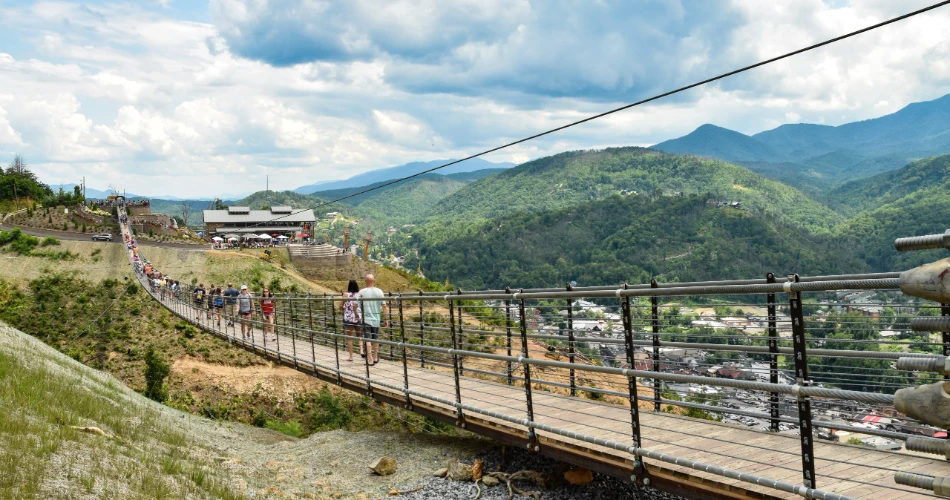
Gatlinburg has an unusual advantage for travelers who prefer a relaxed pace: several different experiences sit close together. Downtown has restaurants, galleries, shops, and walking routes, while the entrance to Great Smoky Mountains National Park is only a short drive away. That makes it possible to spend a morning in the mountains and return to town without turning the day into a long road trip. Visitors can choose one main activity and allow the rest of the day to unfold around it.
The town is also particularly suited to walking. The downtown Parkway runs through the heart of Gatlinburg, while the River Walk provides a quieter alternative alongside the Little Pigeon River. The local tourism office specifically recommends walking downtown and along the river as ways to experience the area without relying on a car.
For visitors interested in Gatlinburg slow travel, the important change is not necessarily choosing different attractions. It is choosing fewer of them. Rather than visiting five places for twenty minutes each, a traveler might choose two places and stay longer. A leisurely breakfast, a riverside walk, and an afternoon in the Smokies can feel more memorable than an itinerary packed from sunrise to late evening. The slower approach also leaves room for weather changes, unexpected viewpoints, local shops, and spontaneous stops that are usually missed when every hour has already been planned.
Taking Downtown Gatlinburg at Walking Speed
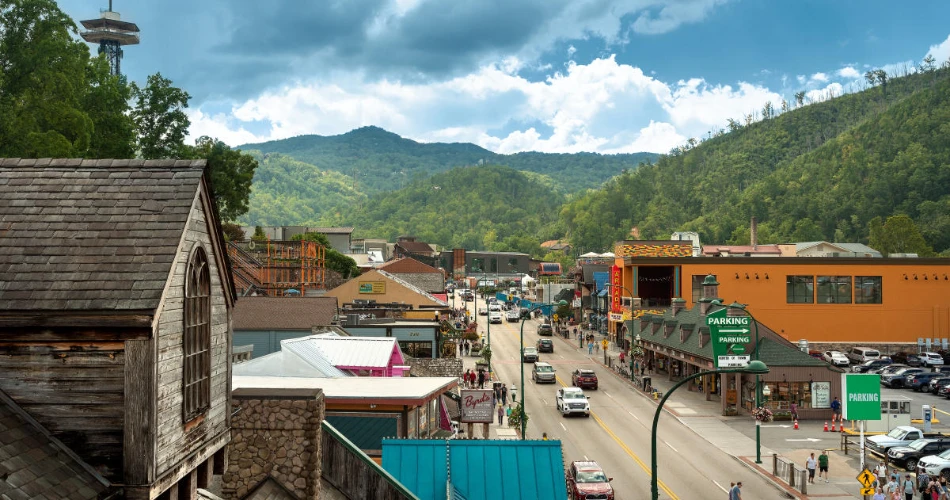
Downtown Gatlinburg can initially seem like the opposite of slow travel. The Parkway is busy, storefronts compete for attention, and there are plenty of attractions within a relatively small area. Yet walking through downtown rather than treating it as a list of places to check off can make the experience noticeably calmer.
The main Parkway stretches through the center of town, connecting restaurants, shops, galleries, attractions, and side streets. Instead of choosing a destination and walking directly there, visitors can simply follow the street, pause at interesting storefronts, step into a gallery, and take breaks along the way. The point is not to cover every block but to pay attention to what is around them.
For anyone trying relaxing things to do in Gatlinburg, this simple approach costs little and requires almost no planning. A visitor can begin with breakfast, walk through downtown, stop for coffee, browse local shops, and settle into a restaurant when lunch feels appropriate rather than when the itinerary says it is time to eat.
The free Gatlinburg Trolley also makes a slower day easier. Trolleys operate throughout the year, with routes serving different parts of the city, and the system provides a practical way to avoid moving the car every time the next stop is a few blocks or neighborhoods away.
A slower downtown visit is especially useful for returning travelers. Those who have already seen the major attractions can focus on atmosphere instead: architecture, small businesses, local artwork, food, and the changing pace of the street throughout the day.
Letting the Little Pigeon River Set the Pace
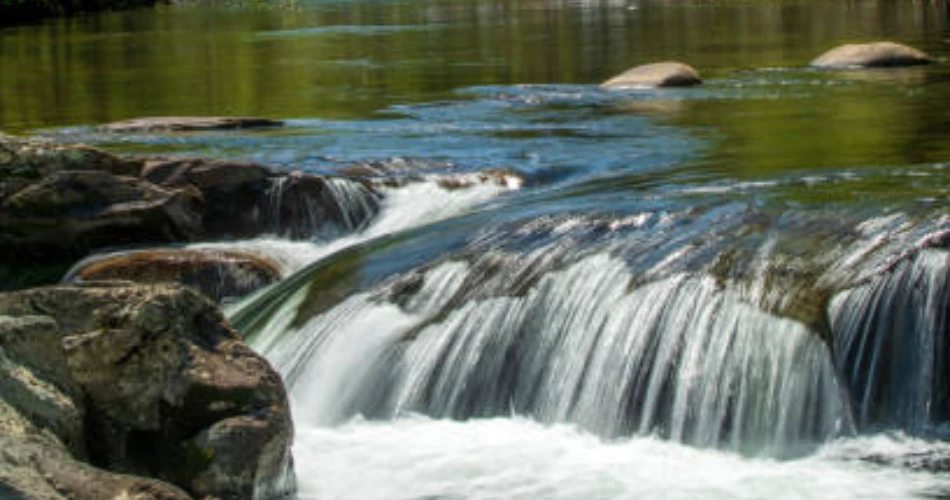
The Little Pigeon River gives Gatlinburg one of its easiest ways to slow down. The River Walk provides a quieter route away from some of the busiest parts of the Parkway, with benches and gazebos where visitors can stop rather than constantly keep moving. The sound of flowing water changes the character of the town, particularly when the traveler is willing to leave the main street behind for a while.
A river walk does not need to become a formal exercise. It can be a twenty-minute stroll before breakfast, a place to sit with a drink, or a gentle evening walk after dinner. The flexibility is what makes it one of the most useful peaceful Gatlinburg activities for travelers who do not want every moment planned.
The river also provides an easy transition between different parts of a day. A visitor might spend the morning shopping or visiting an attraction, then walk beside the water before lunch. Later, the same person can return to the river when downtown becomes busier. There is no ticket time, reservation, or complicated equipment involved.
Photography can also become more enjoyable when there is no pressure to produce a perfect picture. Water, bridges, trees, reflections, and changing light provide simple subjects. On cooler mornings, the river can feel particularly peaceful, while summer evenings offer a different atmosphere as people slow down after a day outside.
For families and older travelers, the River Walk is also a useful option because it allows people to enjoy the scenery without committing to a strenuous mountain hike. It is a reminder that a Great Smoky Mountains getaway does not always require reaching a high viewpoint. Sometimes the best part of the day is simply sitting near the water and watching the town move around it.
Spending More Time in the Places Between the Big Attractions
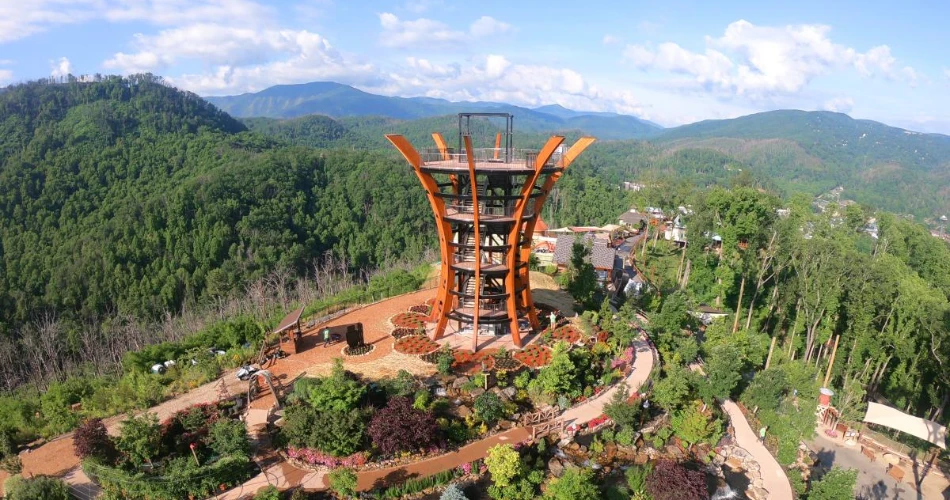
A slower Gatlinburg trip becomes more rewarding when travelers look beyond the headline attractions and give themselves permission to spend time in less demanding places. Great Smoky Mountains National Park contains more than 800 miles of hiking trails, but that does not mean every visit needs to involve a long or difficult hike. The National Park Service recommends checking trail descriptions, maps, and current conditions before setting out because terrain and conditions can change.
Sugarlands and the Gatlinburg Trail
The Sugarlands area is one of the easiest places to begin a quieter mountain day because it is close to Gatlinburg and offers access to streams, waterfalls, forest scenery, and historic structures. The area is also home to Sugarlands Visitor Center, making it a practical first stop for information and current park conditions.
The Gatlinburg Trail is particularly suitable for travelers who want a forest experience without committing to a steep mountain route. The trail runs approximately four miles round trip between Sugarlands Visitor Center and River Road in Gatlinburg. Much of the route is wide and relatively level, although there are some steeper sections, roots, rocks, and uneven surfaces. It follows a forested corridor near the river and includes views of historic stone chimneys.
The trail is also one of only two trails in the national park where pets are permitted. A parking tag is required when parking in the park for more than 15 minutes.
Greenbrier for a Quieter Mountain Morning
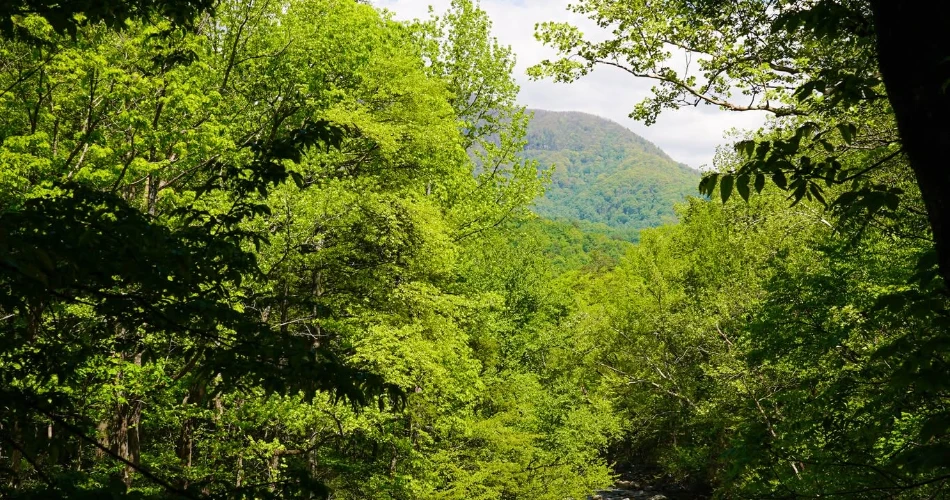
Greenbrier is one of the better choices near Gatlinburg for travelers who want to spend a few unhurried hours in the Smokies without immediately committing to one of the park's busiest destinations. Located about 20 minutes east of Gatlinburg, this heavily forested cove follows the Middle Fork of the Little Pigeon River, with the entrance road leading toward a riverside picnic area and several trailheads. The area is known for wildflowers, waterfalls, streams, and historic structures, so there is plenty to see even without planning an ambitious hike.
A morning here works particularly well because Greenbrier gives travelers room to slow down. The Greenbrier Picnic Area sits at an elevation of about 1,635 feet and has 12 picnic sites surrounded by forest. It is open year-round from sunrise to sunset, with vault toilets available, although there is no water at the picnic area. A larger pavilion farther up the road can accommodate up to 70 people and can be reserved for groups.
For a traveler who is not in a hurry, the picnic area can be more than a lunch stop. A thermos of coffee and a simple breakfast followed by time beside the stream can easily turn into the first few hours of the day. The surrounding forest is particularly attractive in spring when wildflowers appear and again in autumn when the foliage changes. Greenbrier's streams also make it a pleasant place to pause and listen to the water rather than constantly look for another viewpoint.
Those interested in hiking can continue toward Porters Creek Trail, whose trailhead is at the end of Greenbrier Road. The trail is known for combining mountain scenery with pieces of Smokies history, including the Great Smoky Mountains Hiking Club Cabin and the 40-foot Fern Branch Falls. Many hikers turn around at the waterfall, roughly two miles into the trail, while those continuing toward the backcountry campsite encounter a steeper uphill section.
One practical detail is worth remembering: Greenbrier is a mountain environment, and conditions can change quickly after heavy rain. The National Park Service advises visitors to check current road, trail, and weather conditions before setting out. Food should also never be left unattended, since black bears live throughout the park; picnic waste belongs in the provided bear-resistant containers.
For someone seeking Gatlinburg slow travel, Greenbrier is less about ticking off an attraction and more about letting a morning take its own shape: a quiet drive, coffee beside the river, a gentle walk through the woods, a picnic, and perhaps a longer hike if the day calls for it. That flexibility is exactly what makes this corner of the Smokies worth keeping on a slower Gatlinburg itinerary.
Cades Cove Without the Rush
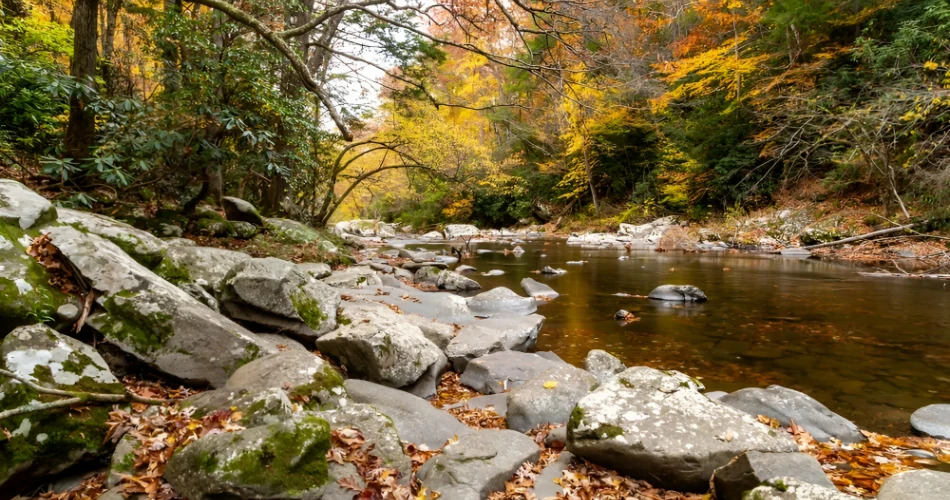
Cades Cove is one of those places where rushing through the experience can mean missing what makes it special. The 11-mile, one-way Cades Cove Loop Road circles a broad mountain valley and passes historic homesites, churches, cemeteries, hiking trails, wildlife-viewing areas, and the Cable Mill historic area. The National Park Service recommends allowing at least two to four hours just to tour the loop, with additional time if hiking or exploring the historic sites is included. Traffic can become heavy during summer, fall, and weekends, so patience is part of the experience rather than an inconvenience.
The best way to approach Cades Cove is to treat the loop as the destination itself. Instead of worrying about how quickly the 11 miles can be completed, visitors can use the designated paved pullouts, get out when something catches their attention, and spend time looking across the valley. Wildlife sightings are common enough to be part of the experience, with white-tailed deer, wild turkeys, and black bears among the animals visitors may encounter. The National Park Service stresses keeping a safe distance from wildlife, so binoculars and a camera with a zoom lens are much better choices than trying to get closer.
There is also considerably more history here than a quick drive suggests. Cades Cove was once a working mountain community. European settlers began arriving in the early 1820s, and by 1850 the population had reached about 685 people. Today, visitors can see three historic churches, log houses, barns, cemeteries, and the Cable Mill, giving the loop a sense of place that goes beyond its mountain scenery.
The John Oliver Place is worth a deliberate stop. The cabin dates to the 1820s and belonged to one of the area's early settler families. Further along, the Cable Mill Historic Area provides another glimpse into everyday life, with the water-powered mill and nearby historic structures showing how residents processed grain and worked with timber.
For travelers who want an especially quiet experience, Wednesday is worth considering during the 2026 vehicle-free season. Cades Cove Loop Road is closed to motor vehicles every Wednesday from May 6 through September 30, 2026, allowing cyclists and pedestrians to experience the full 11-mile road without regular automobile traffic. Parking is limited on these days, and the National Park Service recommends using designated parking areas and checking current information before arriving.
Even outside vehicle-free days, an early or later visit can feel less hurried than arriving during the busiest part of the day. The loop is open from sunrise to sunset, weather permitting. Visitors should remember that a valid parking tag is required when parking in the park for more than 15 minutes.
Cades Cove rewards the traveler who is willing to slow down. A mountain view may deserve ten minutes instead of ten seconds, and a historic cabin can be far more interesting when its story is actually read. The drive is not simply a route between attractions; it is a gradual journey through a preserved mountain landscape where nature, wildlife, and Appalachian history come together.
Choosing Walking Trails Over a Packed Sightseeing Schedule
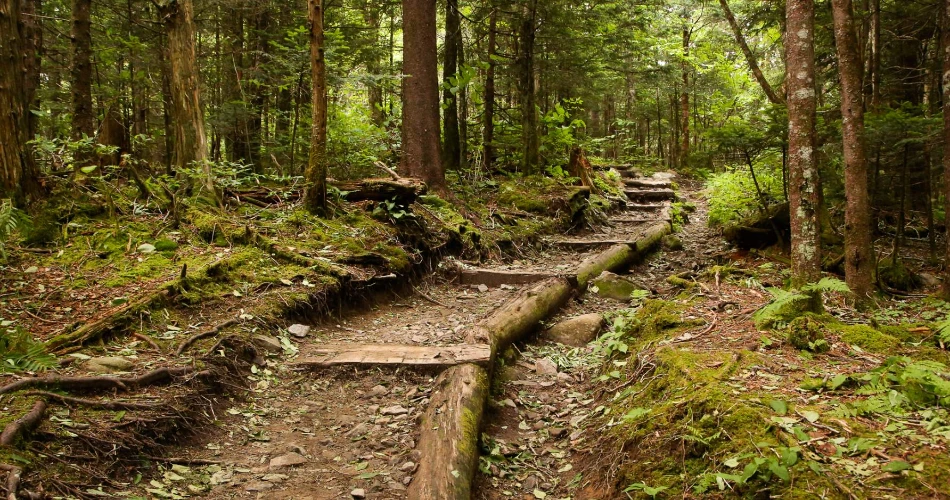
Walking is one of the simplest ways to make a Gatlinburg visit feel slower. A trail changes the rhythm immediately: there is less traffic, fewer distractions, and no expectation that something spectacular must happen every few minutes. The Great Smoky Mountains contain trails ranging from short nature walks to demanding backcountry routes, so travelers can choose an experience that matches their energy level rather than assuming every hike needs to be a major achievement.
The Gatlinburg Trail is an accessible choice for a relaxed forest outing, while Sugarlands Valley Nature Trail offers a paved half-mile loop near Sugarlands Visitor Center. According to the National Park Service, Sugarlands Valley Nature Trail is currently the park's one trail meeting ADA accessibility standards.
Travelers should still check current conditions before heading out. Mountain weather can affect streams, bridges, trail surfaces, and roads, and the park warns that a short trail is not automatically an easy one.
The best Gatlinburg walking trails for a slow itinerary are therefore not necessarily the most famous ones. They are the trails that leave enough time to stop. A traveler might spend ten minutes listening to a stream, photograph wildflowers, watch birds, or simply sit on a log. Those pauses are not wasted time. They are the part of the trip that becomes difficult to reproduce later.
Making Room for Local Art, Crafts, and Unplanned Stops

A slower trip does not mean doing nothing. It means choosing activities that allow attention to remain on the experience rather than the clock. Several straightforward options fit naturally into a relaxed Gatlinburg itinerary.
One is a picnic in or around the national park. Rather than driving from attraction to attraction, travelers can prepare food, find an appropriate picnic area, and allow an hour or two for lunch. The break also makes it easier to appreciate the landscape without turning the meal into another rushed stop.
Another option is a scenic drive. The Roaring Fork Motor Nature Trail is a one-way route through forested mountain scenery with opportunities to stop, stretch, and visit historic sites and pull-offs. The National Park Service notes that parking demand can exceed capacity in the area and that the road closes seasonally, so current conditions should be checked before visiting.
Cades Cove offers a longer version of the same idea. Its loop provides scenery, historic sites, wildlife-viewing opportunities, and access to trails, making it possible to build an entire half-day around one area instead of driving between several unrelated destinations.
Even an ordinary evening can become part of a slow itinerary. A relaxed dinner, a walk along the river, and time spent sitting outside can be more satisfying than adding another ticketed attraction. The goal is to let one activity occupy enough time to feel like an experience rather than a task.
Simple Activities That Make a Gatlinburg Day Feel Longer
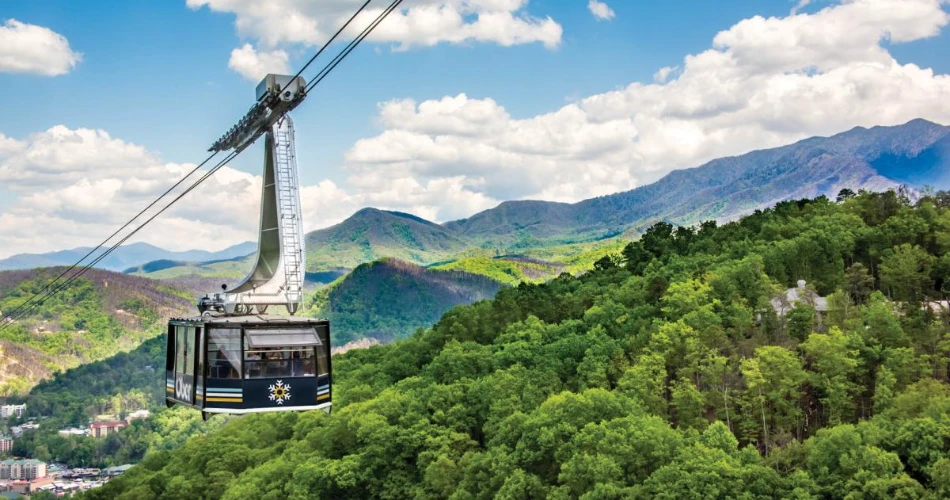
Slow travel is not limited to forests and rivers. Gatlinburg's creative side gives visitors another reason to put away the schedule. The Great Smoky Arts & Crafts Community begins around East Parkway and Glades Road and follows an eight-mile loop featuring more than 100 shops and working artists and craftspeople.
This area works particularly well for travelers who enjoy seeing how things are made rather than simply buying finished souvenirs. Pottery, artwork, handmade goods, and other crafts create opportunities to stop, look closely, and speak with makers. A visit can easily take longer than expected because browsing is part of the experience.
The important distinction is that this is not a place to rush through with a shopping list. Someone interested in Gatlinburg slow travel can choose a handful of studios and spend time appreciating the work instead of attempting to visit every shop on the loop.
The same principle applies downtown. A small gallery or independent shop may not be the headline attraction, but it can provide a more personal connection to the area. Returning travelers may find this especially rewarding because they can spend time with aspects of Gatlinburg they overlooked during a first visit.
An afternoon devoted to crafts also creates a natural balance after a morning outdoors. There is no need to hike again simply because the itinerary says so. Visitors can have lunch, browse handmade work, stop for a coffee, and return to town at their own pace.
Planning a Slower Gatlinburg Trip Without Overplanning It
Slow travel still benefits from basic planning. The difference is that the schedule should protect free time rather than eliminate it. One major activity in the morning and one in the afternoon is often enough. The remaining hours can be used for food, walking, shopping, resting, or changing plans when weather or traffic makes another idea less appealing.
Visitors should check Great Smoky Mountains National Park alerts before leaving, especially when planning hikes or scenic drives. The park maintains current information about road conditions and closures, and temporary restrictions can change the best route for a particular day. For example, some trails and roads may have seasonal or temporary closures.
Parking also deserves attention. A parking tag is required for parking in the national park for more than 15 minutes, including at trailheads.
Within Gatlinburg, the trolley can reduce the need to repeatedly move a vehicle. The city's trolley service operates throughout the year, with schedules varying by route and season.
Weather should also influence the day's pace. Mountain conditions can change quickly, so a flexible itinerary is more practical than one built around a strict sequence of outdoor activities. If rain arrives, a traveler can shift toward crafts, food, galleries, or a slower downtown afternoon rather than treating the weather as a ruined day.
The best Gatlinburg slow travel itinerary leaves deliberate gaps. Those empty spaces are what allow the destination to feel like a place rather than a checklist.
Letting Gatlinburg Be the Trip Instead of Just the Starting Point
Gatlinburg is often used as a base for the Great Smoky Mountains, but it deserves attention in its own right. Its downtown streets, river paths, local crafts, restaurants, and proximity to the national park make it possible to build a full visit around relatively simple experiences. The slower approach works because Gatlinburg does not require visitors to travel far to change scenery. A morning can begin with a quiet walk beside the Little Pigeon River, continue with breakfast and local shopping, and then move into the forest around Sugarlands. Another day might center entirely on Cades Cove, where the road, historic buildings, wildlife, and mountain landscape provide enough material for several unhurried hours. There is also value in returning to familiar places at different times of day. A trail visited early in the morning can feel completely different later, while downtown becomes quieter in some areas after the busiest hours. The same river that serves as a pleasant daytime walking route can become a peaceful place to pause after dinner. For travelers tired of crowded itineraries, relaxing things to do in Gatlinburg do not have to be complicated. Walking, sitting by the water, browsing handmade crafts, taking a scenic drive, or spending extra time on one trail can create a trip with more breathing room. Gatlinburg's real advantage for slow travelers is choice. There are enough attractions for visitors who want constant activity, but there are also enough riverside paths, mountain roads, forests, trails, historic places, and local businesses to make a quieter visit feel complete. A traveler does not have to see everything. Sometimes the better trip comes from seeing less, staying longer, and giving the Smoky Mountains enough time to make an impression.
Next post Where to Enjoy the Natural Beauty of Gatlinburg
Previous Post Beautiful Places to Sit and Enjoy the Mountains in Gatlinburg
About Author