English

 Home
Home Hotels
  Car Rental
 Rewards
 Travel Guide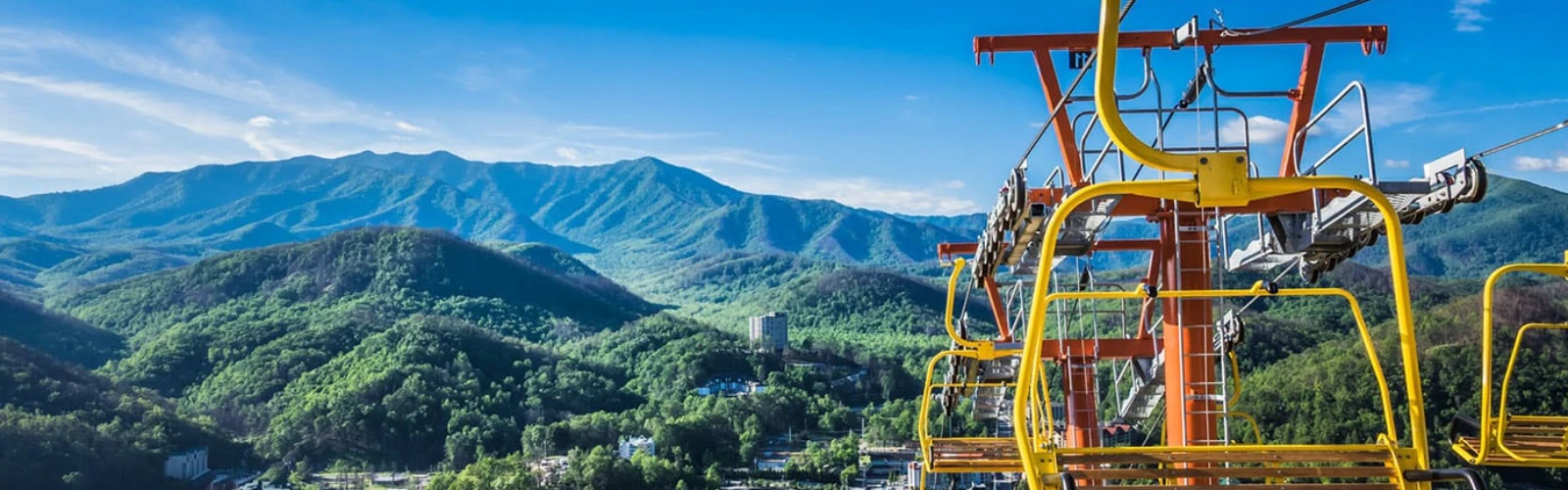
Where to Enjoy the Natural Beauty of Gatlinburg

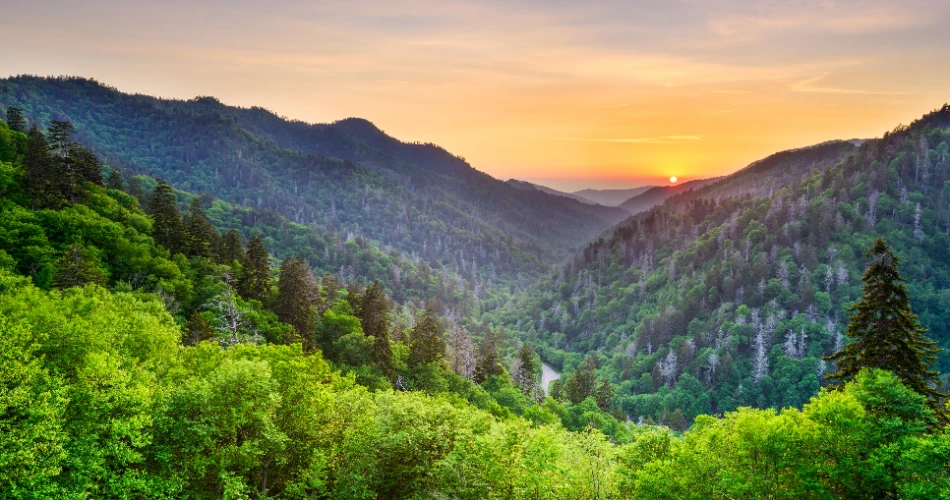
Gatlinburg has a way of making nature feel close at hand. A few minutes from the busy Parkway, the landscape changes quickly: roads follow mountain streams, wooded trails climb toward waterfalls, and ridgelines open up to broad views of the Great Smoky Mountains. That combination is what makes Gatlinburg especially appealing to travelers who want more than attractions and restaurants. The town sits beside Great Smoky Mountains National Park, so a morning can begin with coffee downtown and end with a quiet trail surrounded by hardwood forest. Some places are ideal for a short scenic stop, while others deserve several hours. The best experiences come from slowing down enough to notice the details—mist over the mountains, rushing water beside a trail, changing leaves, and wildlife moving through the forest.
Great Smoky Mountains National Park
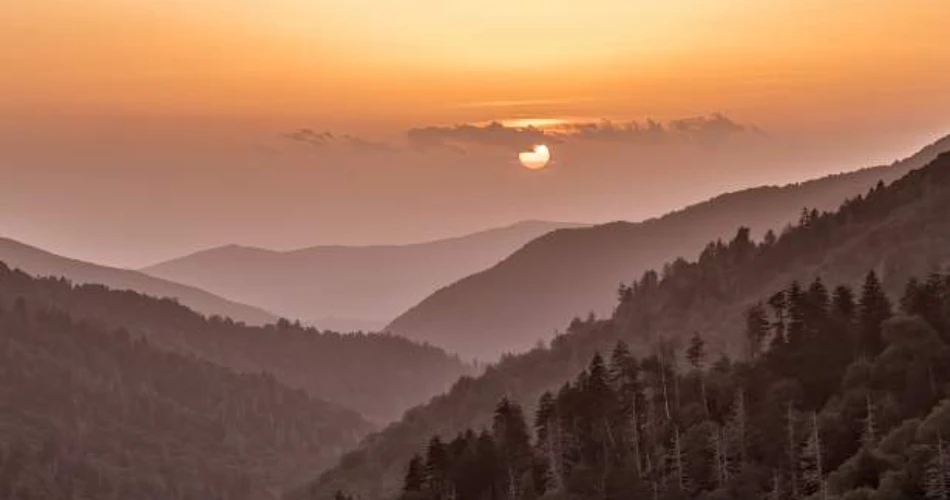
The strongest place to experience the natural beauty of Gatlinburg is Great Smoky Mountains National Park, which begins practically at the town's doorstep. The park's Sugarlands area is the northern gateway near Gatlinburg, making it one of the easiest starting points for visitors staying in town. From there, travelers can reach streams, waterfalls, forested trails, scenic overlooks, and roads leading deeper into the mountains. The landscape changes considerably with elevation, which is part of what makes the park interesting even for returning visitors. The park's elevations range from 876 feet to 6,643 feet, with the highest peaks rising along an extensive mountain crest.
A first-time visitor does not need to attempt a difficult hike to appreciate the scenery. A drive through the park can provide plenty of opportunities to stop beside a stream, photograph mountain slopes, or walk a short trail. More experienced hikers can choose longer routes into quieter parts of the forest. Visitors should check road and trail conditions before leaving because weather and seasonal closures can affect access. A parking tag is required when parking in the park for more than 15 minutes, so this should be included in trip planning.
The park also rewards travelers who return in different seasons. Spring brings wildflowers and fresh green foliage, summer provides dense forest and cool streams, autumn changes the mountains into layers of color, and winter can create clearer long-distance views when conditions permit. Rather than treating the park as one attraction, it is better to think of it as a collection of landscapes that can be experienced at different speeds.
Gatlinburg Nature Trails and Waterfalls
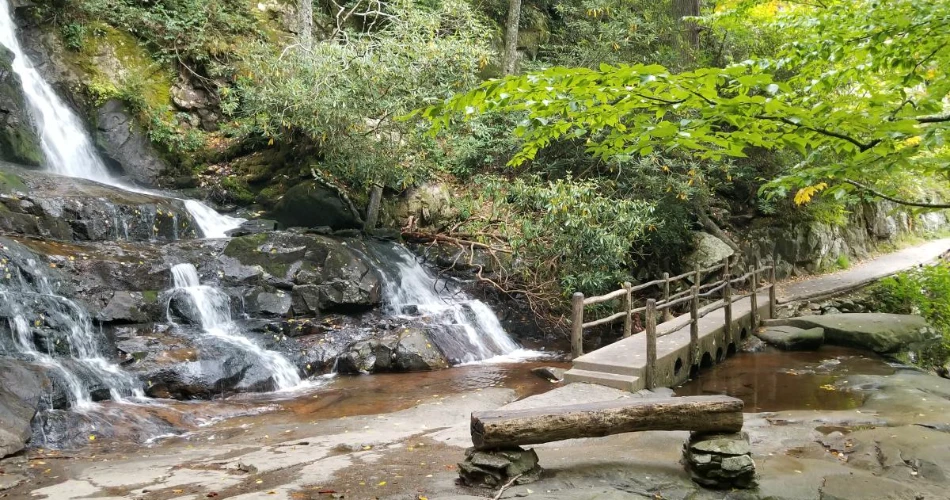
For travelers who want to experience the scenery on foot, Gatlinburg nature trails provide some of the most memorable ways to see the mountains. The surrounding park contains trails ranging from short walks to demanding hikes, so visitors can choose an experience that fits their time and fitness level. Water is one of the defining features of the Smokies, with creeks, rivers, cascades, and waterfalls appearing throughout the landscape. The sound of running water often becomes part of the experience long before a waterfall comes into view.
Laurel Falls
Laurel Falls is one of the best-known waterfall destinations near Gatlinburg and is particularly appealing to visitors who want a recognizable Smoky Mountain landmark without committing to an extremely long hike. The trail passes through forest before reaching the waterfall, where water moves over the rock face in a series of cascades. The surroundings can feel very different depending on the season: summer brings thick greenery, while autumn places warm foliage around the trail.
Because Laurel Falls is popular, travelers should not assume that an early-looking trail means the area will remain quiet throughout the day. Parking and trail congestion can be significant during busy periods. Visitors should also stay on designated paths and avoid climbing around wet rocks near the falls. The waterfall itself is only part of the attraction; the changing forest, mountain air, and sounds of the surrounding landscape are what make the walk worthwhile.
Grotto Falls
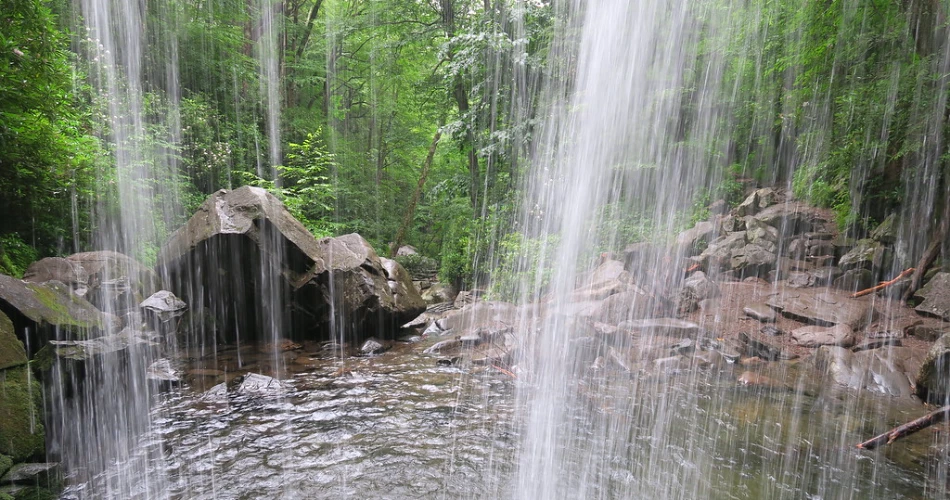
Grotto Falls offers a different kind of waterfall experience because the trail reaches a waterfall that hikers can walk behind. The falls are located along the Trillium Gap Trail in the Roaring Fork area. The National Park Service notes that the trailhead is around two miles into the Roaring Fork Motor Nature Trail, although parking at the trailhead is limited.
The setting feels particularly atmospheric after rain, when the surrounding forest is damp and the stream is flowing strongly. The trail is more demanding than a simple roadside stop, so sturdy footwear and water are sensible choices. Travelers who enjoy combining a scenic drive with a hike can make Grotto Falls part of a larger Roaring Fork outing rather than treating it as an isolated destination.
Roaring Fork Motor Nature Trail
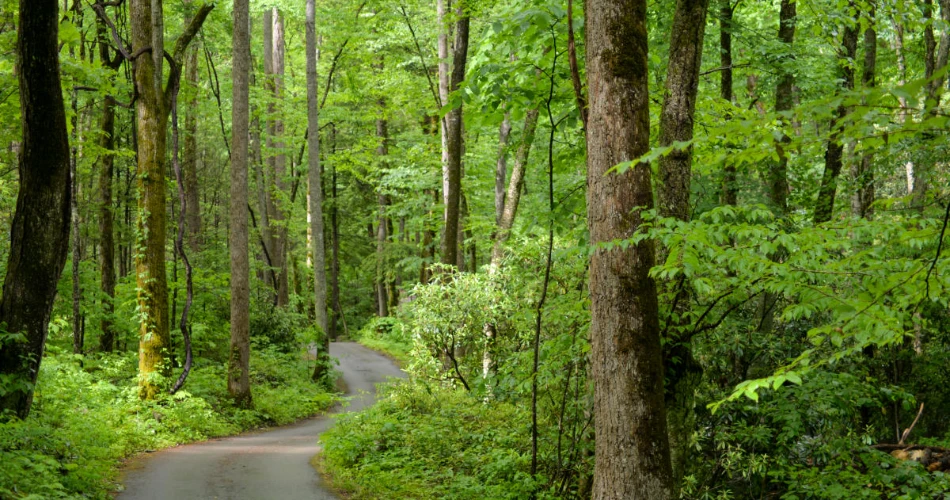
The Roaring Fork Motor Nature Trail is useful for travelers who want scenery without spending an entire day hiking. This one-way road passes through dense forest, alongside streams, and past historic structures and natural features. One notable sight is the Place of a Thousand Drips, a waterfall visible from the road. The area also provides access to hiking opportunities, including the route toward Grotto Falls.
The drive begins from Gatlinburg through the Cherokee Orchard entrance, making it particularly convenient for visitors staying in town. Parking can be difficult at busy trailheads, and the road is seasonally closed, so checking current conditions before departure is important. Buses, trailers, and motor homes are not permitted on the motor nature trail.
Scenic Places in Gatlinburg for Mountain Views
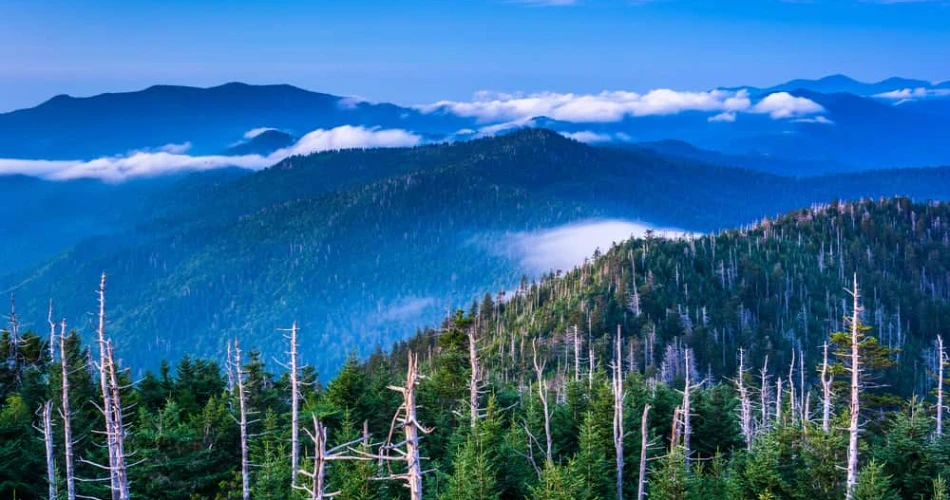
Not every traveler wants to spend hours on a hiking trail to see the Smokies. Fortunately, some of the best Gatlinburg mountain views can be enjoyed from elevated viewpoints and scenic routes. The mountains look different throughout the day, and even familiar viewpoints can feel new when weather changes. Morning often brings softer light and layers of haze, while late afternoon can create stronger contrasts across the ridges. Clear winter days may provide particularly impressive visibility.
Kuwohi and Newfound Gap
Kuwohi, formerly known as Clingmans Dome, is the highest point in the Great Smoky Mountains National Park at 6,643 feet. The area provides panoramic views from a popular observation tower, weather permitting. Kuwohi Road leads toward the summit area from Newfound Gap Road, and the Appalachian Trail passes through this high-elevation landscape.
The elevation makes the weather noticeably different from downtown Gatlinburg. Travelers should be prepared for cooler temperatures, wind, clouds, or rapidly changing conditions. Parking demand can also exceed capacity at busy times, so arriving early and having an alternative destination in mind is practical.
Anakeesta Mountain Views
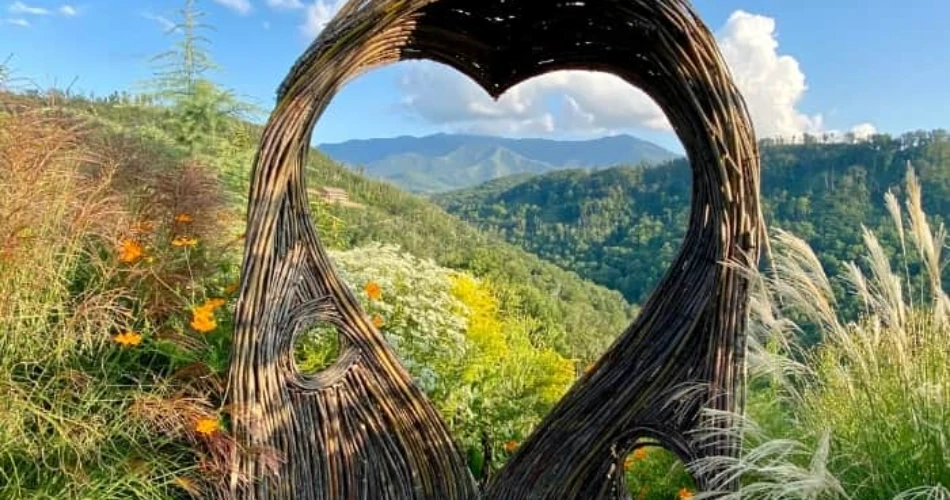
For travelers who want mountain scenery combined with a range of activities, Anakeesta provides elevated views above Gatlinburg. Its mountain-top setting includes viewpoints toward the surrounding Smokies, along with attractions such as the TreeTop Skywalk and AnaVista Tower. The attraction's official information describes the TreeTop Skywalk as a series of connected bridges suspended above the forest.
This is a different experience from standing at a remote national park overlook. Visitors can spend time looking across the ridges, walk through the forest canopy, and then take a break for food or other activities. It can work particularly well for families or mixed groups where some travelers want nature while others prefer structured attractions.
Ober Mountain
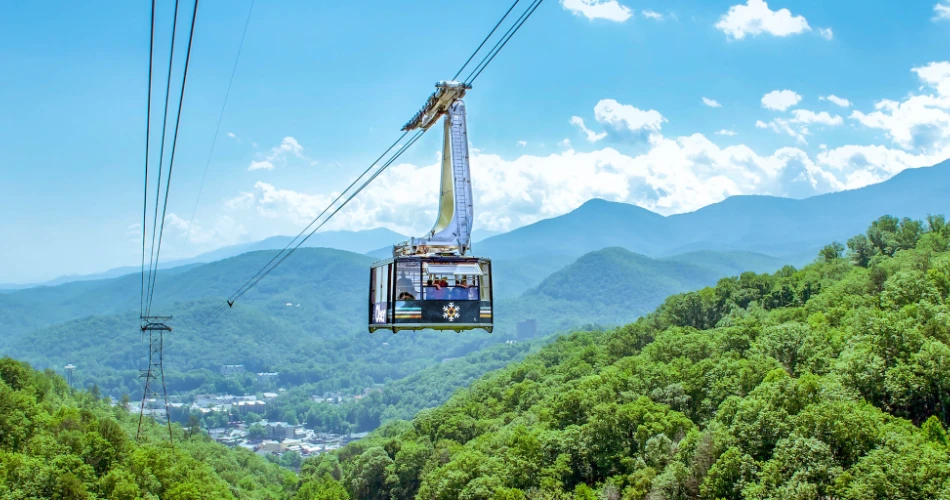
Ober Mountain provides another elevated perspective of the Gatlinburg area. The aerial tram travels approximately 2.1 miles from Gatlinburg toward the mountain, giving passengers broad views during the ride. The destination also offers seasonal and year-round activities, including a scenic chairlift and wildlife experiences.
The tram ride itself can be part of the sightseeing experience rather than merely transportation. On a clear day, the changing perspective makes it easier to appreciate how closely Gatlinburg is surrounded by mountain terrain. Because Ober Mountain operates attractions throughout different seasons, visitors should check current schedules before planning around a particular activity.
Cades Cove for Wildlife and Mountain Scenery
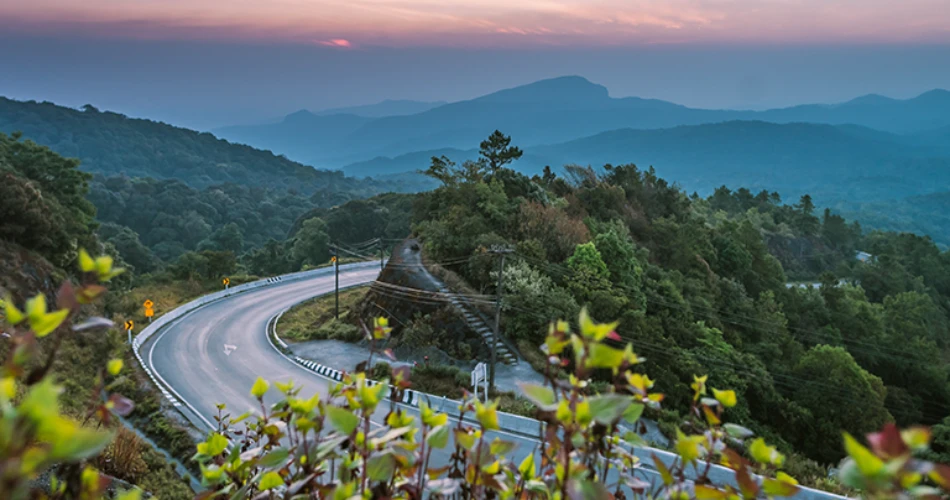
Cades Cove is farther from central Gatlinburg than some of the park's nearby attractions, but it is worth considering for travelers who want to combine mountain scenery, wildlife viewing, and history. The valley is surrounded by mountains and is encircled by an 11-mile one-way loop road. The National Park Service recommends allowing at least two to four hours for the drive, with additional time needed if visitors stop for hikes.
The landscape feels different from the steep mountain roads around Gatlinburg. Instead of looking up at mountains from a narrow valley road, visitors can see open fields framed by ridges. Historic homes, churches, barns, cemeteries, and a working gristmill add another layer to the experience. The combination makes Cades Cove more than a scenic drive; it provides a picture of how people lived in the mountain community before the area became part of the national park.
Wildlife is another major reason to visit. Deer, wild turkeys, birds, and other animals are commonly associated with the cove, while black bear sightings are possible. The National Park Service specifically advises visitors to keep their distance from wildlife and never approach animals for photographs.
Travelers should also know that the loop can become heavily congested during summer, fall, and weekends. The road is closed to vehicles on Wednesdays during the usual vehicle-free period from May through September, allowing visitors to experience the loop without normal automobile traffic.
Peaceful Greenbrier and Mynatt Park

Travelers who prefer quieter surroundings can look beyond the most famous Gatlinburg viewpoints. Greenbrier, in the northeastern part of Great Smoky Mountains National Park, is approximately 20 minutes east of Gatlinburg and is known for its heavily forested setting. The area provides access to peaceful streams, forest scenery, and trails away from some of the busiest tourist corridors.
Greenbrier is especially appealing when the goal is to spend time outdoors without turning the day into a checklist of attractions. The sound of water moving through the forest and the dense canopy create a slower atmosphere. It is a good choice for travelers who enjoy photography, short walks, picnicking, or simply sitting near the creek.
Closer to town, Mynatt Park offers a convenient option for visitors who want a relaxed outdoor break without driving deep into the national park. Located on Asbury Lane, the park includes creekside picnic tables, walking trails, a playground, recreational courts, and access to LeConte Creek.
Mynatt Park does not replace a mountain hike, but that is precisely why it can be useful. Families with young children or travelers with limited time can enjoy greenery and running water without committing to a demanding trail. The park's accessible paths also make it easier for more visitors to reach the creekside areas.
Simple Ways to Enjoy Gatlinburg's Natural Beauty
The best way to experience Gatlinburg's landscape depends on how much time and energy travelers have. Some visitors want an active day filled with hiking, while others may be happier with a scenic drive and a picnic beside a stream. There is no need to follow one fixed approach. The surrounding mountains offer enough variety to build a relaxed day or a full outdoor itinerary.
Scenic Driving
Scenic driving is one of the easiest ways to experience the Great Smoky Mountains scenery without committing to a long hike. Routes such as Roaring Fork allow travelers to move slowly through the forest while stopping at designated pull-offs and viewpoints. Cades Cove offers a longer drive through an open mountain valley, while Newfound Gap Road provides access to higher elevations and major park destinations. Visitors should never stop in the roadway and should use designated pullouts where available.
Hiking and Waterfall Walks
Hiking offers a closer relationship with the landscape because the scenery changes with every step. Shorter waterfall walks can suit casual travelers, while longer trails provide more solitude and elevation. Anyone planning a hike should consider distance, elevation gain, weather, footwear, water, and daylight rather than judging a trail only by photographs. Conditions can also change quickly in the mountains.
Wildlife Watching
Wildlife watching works best when travelers are patient. The National Park Service notes that animals may appear anywhere in the park, with early morning and late evening often being productive times. Cades Cove, Roaring Fork, and Cataloochee are among the areas associated with wildlife viewing. Binoculars can be more useful than trying to approach an animal for a close photograph.
The important part is keeping wildlife wild. Visitors should maintain a safe distance, never feed animals, and secure food and trash properly. A memorable wildlife sighting should never come at the expense of the animal or visitor safety.
Choosing the Right Season for the Smokies
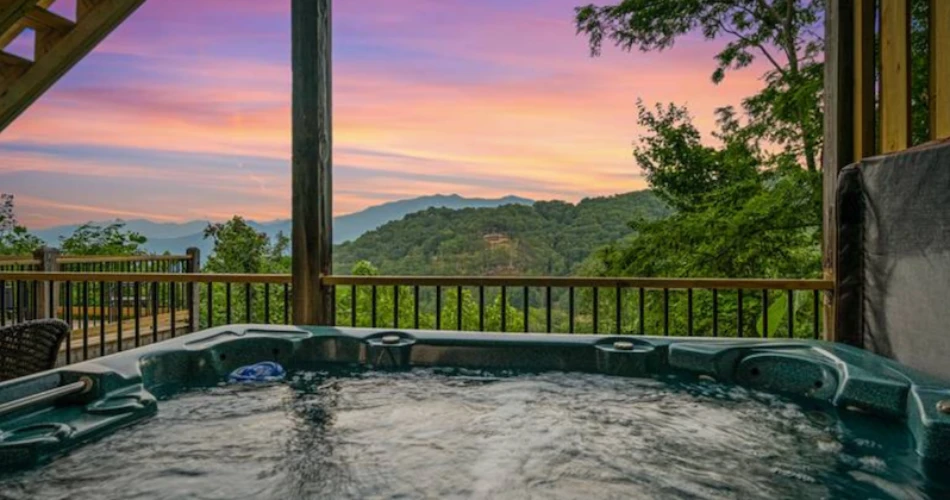
Gatlinburg's natural scenery changes significantly throughout the year, so the best time to visit depends on what travelers hope to see. Spring is attractive for people interested in fresh greenery, flowing streams, and wildflowers. As temperatures rise, the forest becomes increasingly dense, creating the cool, shaded environment that makes summer walks appealing. Streams and waterfalls can be particularly enjoyable during warmer months, although recent weather conditions should always be considered before hiking. Autumn is one of the busiest periods because the mountain forests develop dramatic changes in color. Scenic drives and popular viewpoints can become crowded, especially on weekends. Travelers hoping for a quieter experience should consider going early in the day and allowing extra time for traffic. Cades Cove, in particular, can take longer than expected when visitor numbers are high. Winter offers a different side of the mountains. Bare trees can open up views that are hidden by summer foliage, but higher elevations may experience substantially colder conditions and seasonal closures. The National Park Service notes that winter weather and snow can affect mountain tops even when conditions are milder in the foothills. Regardless of season, travelers should check current park alerts, road closures, and trail conditions before heading out. Weather can change quickly with elevation, so a comfortable afternoon in Gatlinburg does not guarantee the same conditions at a high mountain viewpoint.
Planning a Nature-Focused Gatlinburg Day
A nature-focused day in Gatlinburg works best when travelers avoid trying to fit every attraction into one schedule. A morning could begin with an early drive into the national park, followed by a short trail or waterfall walk. After a break, the afternoon could be spent along a scenic road or at an elevated viewpoint. Those who prefer a slower pace might choose Greenbrier or Mynatt Park for a picnic and creekside time instead. Preparation is simple but important. Comfortable footwear is useful even when the planned activity is mostly driving because scenic areas often involve uneven ground or short walks. Water, snacks, weather-appropriate layers, sunscreen, and a small first-aid kit are practical additions. Cell service can be unreliable in parts of the mountains, so downloading maps or using official park information before leaving town can make navigation easier. A parking tag should be arranged before spending more than 15 minutes parked inside Great Smoky Mountains National Park. Visitors should also review current road and facility conditions because seasonal closures and temporary restrictions can change access. Most importantly, the mountains are best enjoyed without rushing. Pulling over only at safe, designated areas, staying on trails, keeping wildlife at a distance, and carrying out trash helps preserve the landscape for future visitors. Gatlinburg's appeal comes from its proximity to a protected mountain environment, and responsible travel keeps that relationship intact.
The Natural Beauty of Gatlinburg Is Best Taken Slowly
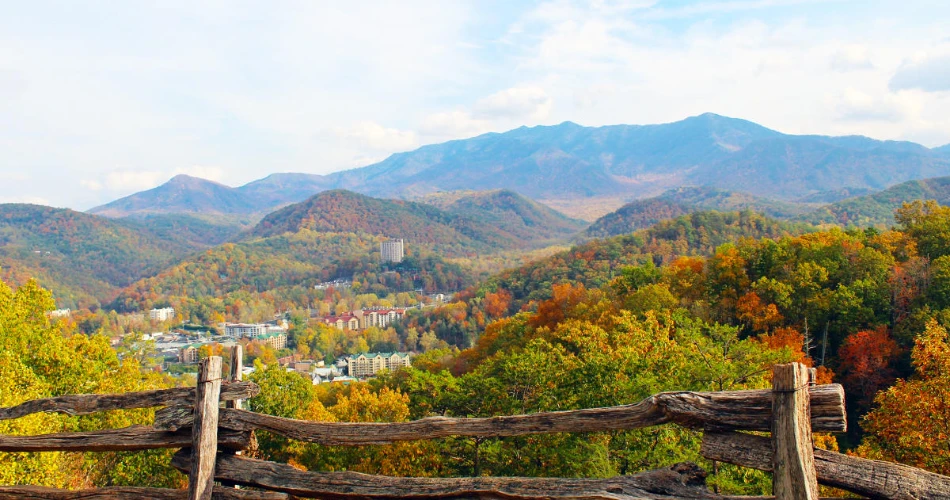
The natural beauty of Gatlinburg is not limited to one overlook or one famous trail. It appears in the changing character of the Smokies—from a creek beside a quiet path to a waterfall hidden in the forest, an open valley filled with wildlife, or a high ridge where several layers of mountains stretch toward the horizon. Great Smoky Mountains National Park provides the largest range of experiences, while places such as Mynatt Park, Greenbrier, Anakeesta, and Ober Mountain offer different ways to enjoy the surrounding scenery.
For first-time visitors, a combination of an easy nature walk, a scenic drive, and one elevated viewpoint can provide a satisfying introduction. Returning travelers can go farther, choosing quieter trails, revisiting waterfalls in a different season, or spending more time watching wildlife. The key is not to rush from one viewpoint to another. Gatlinburg's mountain landscape rewards travelers who leave room for unexpected stops, changing weather, and a few quiet minutes simply listening to the forest.
Next post Mountain Views Worth Chasing Around Gatlinburg
Previous Post A Slower Way to Experience Gatlinburg
About Author