English

 Home
Home Hotels
  Car Rental
 Rewards
 Travel Guide
Where to Go for Fresh Air in Gatlinburg

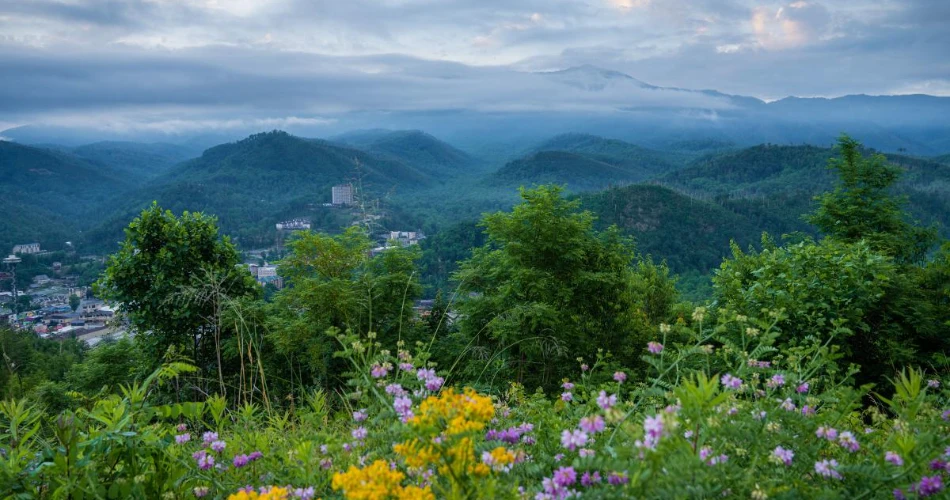
Gatlinburg is the kind of mountain town where a short drive can quickly change the atmosphere. The busy streets, restaurants, attractions, and traffic give way to wooded roads, rushing streams, open overlooks, and trails shaded by hardwood forests. For visitors who simply want to breathe deeper and spend time outside, the area offers plenty of options without requiring an ambitious hiking plan. Some places are close to town and suitable for a relaxed morning, while others lead into higher elevations where the air feels noticeably cooler.
The surrounding Great Smoky Mountains also make Gatlinburg particularly convenient for outdoor time. More than 800 miles of trails cross the national park, ranging from relatively easy walks to demanding mountain hikes. The best choice depends on how much walking a visitor wants to do, the weather, available time, and whether the goal is a quiet riverside break or a full day among the mountains.
Walk Along the Gatlinburg Trail for an Easy Breath of Mountain Air
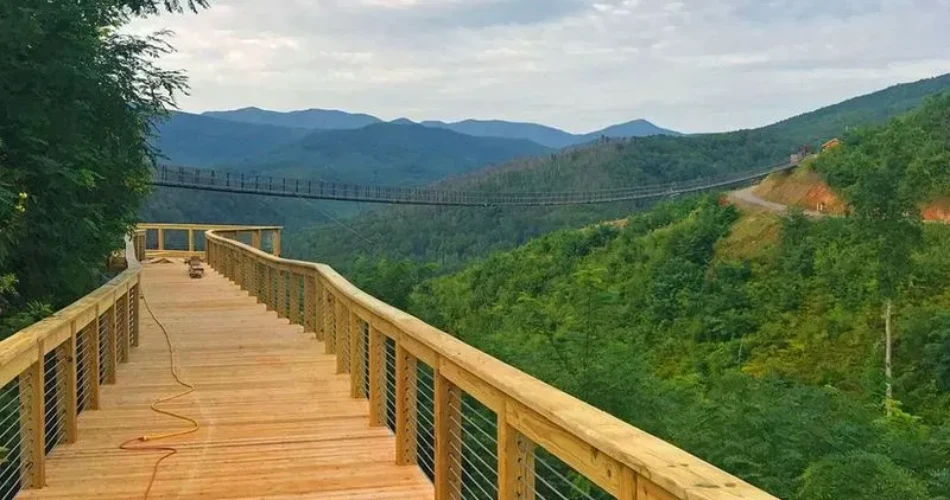
The Gatlinburg Trail is one of the simplest choices for visitors who want fresh air without committing to a difficult mountain hike. The trail runs approximately four miles round trip between Sugarlands Visitor Center and River Road in Gatlinburg, following a wooded route alongside the West Prong of the Little Pigeon River. The combination of trees, moving water, and relatively gentle terrain gives the walk a noticeably different feel from the busier areas of town.
For someone visiting Gatlinburg for the first time, this trail is particularly useful because it provides a taste of the Smokies without requiring a long drive into the park. The route passes through cove hardwood forest, and hikers can also see historic stone chimneys along the way. Much of the trail is wide and reasonably level, although there are some steeper sections, roots, rocks, and uneven ground.
The river is one of the best reasons to choose this walk. The sound of flowing water creates a natural background that makes it easy to slow down and pay attention to the surroundings. Early morning can be especially pleasant, when temperatures are generally cooler and the trail feels calmer.
The Gatlinburg Trail is also unusual within the national park because pets are permitted here. It is one of only two park trails where pets are allowed, along with the Oconaluftee River Trail. A parking tag is required when leaving a vehicle in the park for more than 15 minutes.
Spend a Quiet Morning Around Greenbrier
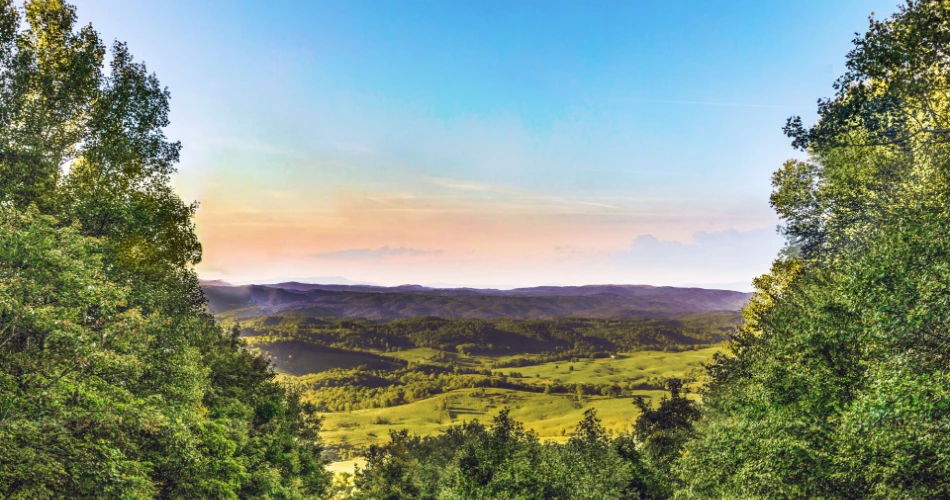
Greenbrier is a good choice for travelers who want a more natural setting while remaining relatively close to Gatlinburg. The area provides access to forest scenery, mountain streams, and hiking routes where the atmosphere quickly becomes quieter than the developed parts of town. Instead of treating the visit as a race to reach a viewpoint, it works better as a slow outdoor morning, particularly for visitors looking for peaceful places in Gatlinburg and the surrounding mountains.
Follow the Water and Forest
One of Greenbrier's biggest attractions is the presence of flowing water throughout the area. The sound of streams is especially noticeable when visitors stop walking for a few minutes and simply listen. Depending on the season, the forest may have spring wildflowers, dense summer greenery, autumn color, or bare winter branches that open up views between the trees.
Ramsey Cascades is the major hiking destination in this section of the park, but it is not a casual stroll. The trail is about 7.9 miles round trip and gains roughly 2,185 feet, making it a strenuous hike. The route follows streams for much of the journey and passes through mature hardwood forest before reaching the waterfall.
Choose Greenbrier for a Slower Day
Visitors who are not prepared for a strenuous hike can still appreciate the area's forest atmosphere without attempting Ramsey Cascades. The important thing is to select a route that matches the group's experience and physical ability. The National Park Service recommends considering mileage, elevation gain, terrain, and weather before selecting a hike.
Greenbrier is therefore less about checking off a single attraction and more about spending time in a quieter section of the Smokies. A picnic, short walk, or streamside pause can be enough to make the drive worthwhile.
Head to Newfound Gap When Cooler Mountain Air Is the Goal
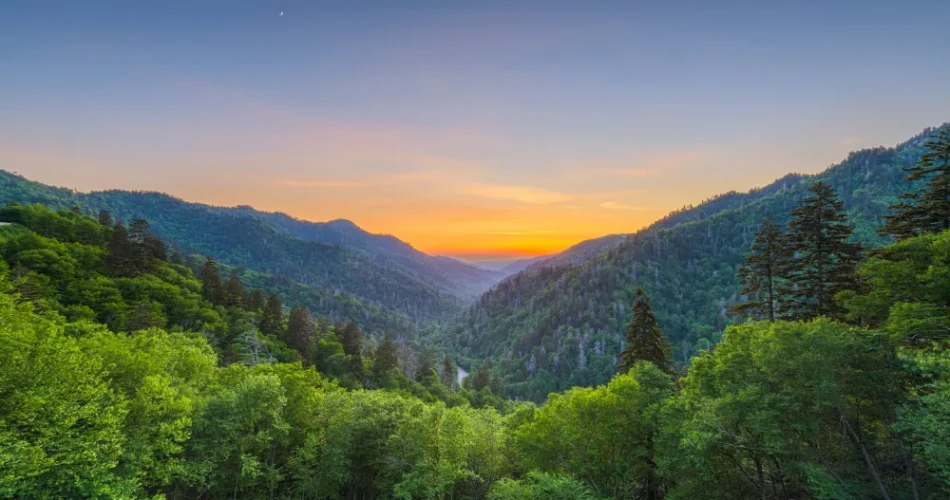
When the main goal is literally cooler, cleaner-feeling mountain air, Newfound Gap is one of the most distinctive places to visit from Gatlinburg. Located on Newfound Gap Road, or US 441, the gap reaches an elevation of 5,046 feet and is the lowest drivable gap through Great Smoky Mountains National Park. Because of the elevation, temperatures can be considerably cooler than they are in Gatlinburg.
That temperature difference can make the drive particularly appealing during warmer months. A visitor may leave Gatlinburg on a warm afternoon and arrive at Newfound Gap needing an extra layer. The National Park Service specifically recommends bringing layers even during summer because conditions at higher elevations can change significantly.
Take in the Open Mountain Views
Newfound Gap is not only about temperature. The open overlook provides a chance to step out of the forest and see the broad ridges of the Smokies. The Appalachian Trail also crosses the area, giving hikers an opportunity to walk a short section rather than committing to a long trail.
Check Conditions Before Driving
Mountain weather deserves attention. Rain in Gatlinburg can mean snow at higher elevations during colder periods, and roads can experience weather-related closures. Newfound Gap Road is generally a year-round primary route, but the National Park Service advises visitors to check current conditions.
Parking can also become busy. The National Park Service notes that demand at popular destinations may exceed available spaces, so arriving earlier can make the visit easier.
Get High at Kuwohi for a Different Kind of Fresh Air
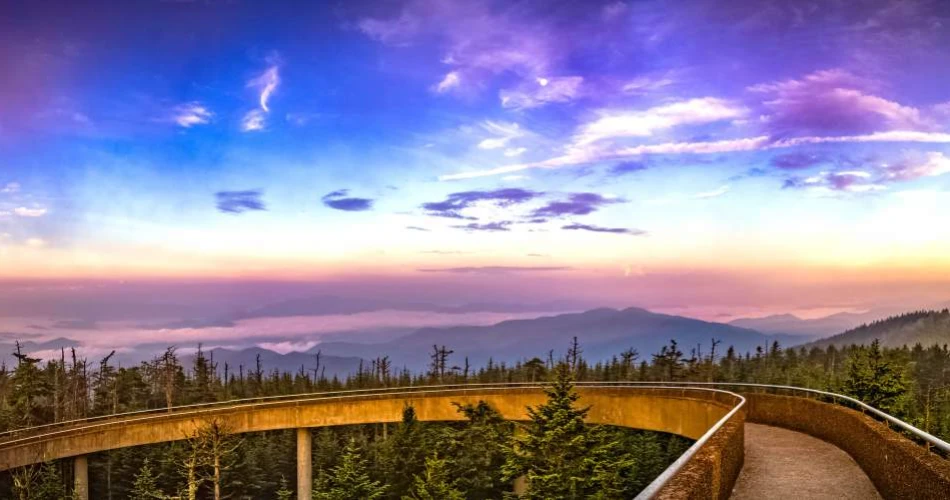
For travelers who associate fresh air with cool temperatures, elevation, and wide-open scenery, Kuwohi is hard to overlook. Formerly known as Clingmans Dome, Kuwohi is the highest point in Great Smoky Mountains National Park. The area sits high above the surrounding valleys, and its combination of spruce-fir forest, cooler conditions, and expansive views makes it very different from downtown Gatlinburg.
The short paved route from the parking area to the observation tower is steep, so even though the distance is limited, visitors should not assume it will feel effortless. At the top, the observation tower provides panoramic views when weather conditions cooperate. The National Park Service describes the tower as a 45-foot structure reached by a distinctive 375-foot ramp.
Enjoy the High-Elevation Atmosphere
The appeal of Kuwohi is partly physical. The air can feel substantially cooler than in town, particularly during summer. The vegetation also changes with elevation, creating an atmosphere that feels more like a high mountain environment than the warm valley below.
Clouds and fog can occasionally obscure the views, so the experience is not guaranteed to be panoramic. That is not necessarily a bad thing. A misty mountain morning can still provide the quiet, cool atmosphere many visitors are seeking.
Plan Around Seasonal Road Access
Kuwohi Road has seasonal access. For 2026, the National Park Service lists the road's scheduled season as April 1 through November 29, although weather-related closures can occur.
Anyone planning the drive should check current road conditions before leaving Gatlinburg. The park also provides webcams with current images and, where available, weather and air-quality information for high-elevation locations.
Herbert Holt Park: A Family-Friendly Spot Beside the River
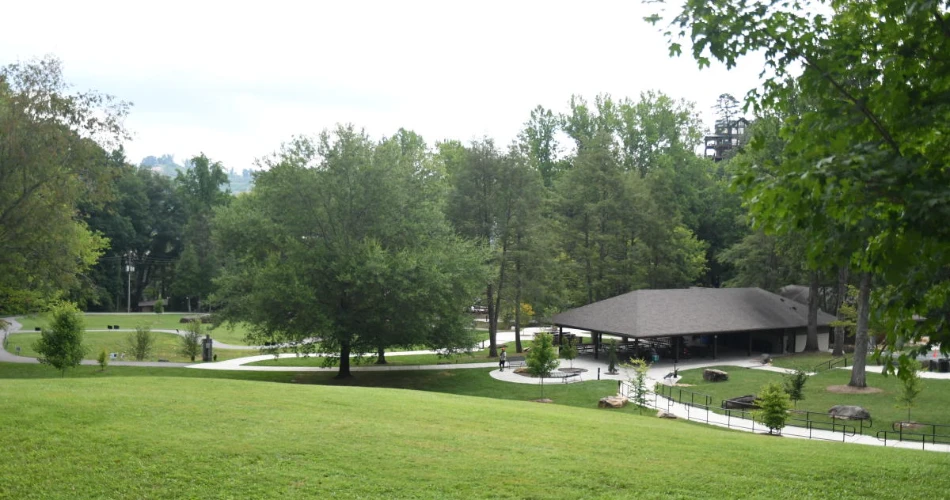
Herbert Holt Park is one of Gatlinburg's most practical places for a relaxed afternoon outdoors. Located along the West Prong of the Little Pigeon River near the northern entrance to the city, the park covers about 5.5 acres and is named after Herbert Holt, a longtime Gatlinburg resident and civic leader. The river gives the park much of its character, while its recreation facilities make it more than simply a place to sit and admire the scenery.
One of the park's more interesting features is its children's fishing area, which was created specifically to give young anglers a place to learn and practice fishing. The park also has a picnic pavilion, picnic tables, grills, restrooms, a playground, and a paved walking trail. These facilities make Herbert Holt particularly convenient for families traveling with children who may not be interested in a long Gatlinburg hiking trail.
The river is another reason to spend some time here. Instead of rushing through a sightseeing schedule, visitors can bring a picnic, sit near the water, and listen to the stream while children use the recreational areas. The park's setting also provides a refreshing contrast to Gatlinburg's busy downtown streets.
For travelers who want Gatlinburg outdoor activities without a strenuous hike, Herbert Holt Park is an easy option. It is also a useful stop for families who want to combine fresh air, fishing, recreation, and a meal outside in one location.
Mynatt Park: A Quiet Green Space Near Downtown
Mynatt Park offers another convenient way to enjoy the outdoors without leaving Gatlinburg. Located on the West Prong of the Little Pigeon River, the park provides approximately 10 acres of recreational space and is named after the Mynatt family, who have long-standing ties to the Gatlinburg area. Its location makes it particularly useful for visitors who want a break from the commercial side of the city but do not want to spend half the day traveling to a trailhead.
The park includes picnic areas, a playground, tennis facilities, basketball courts, and space for walking and other outdoor recreation. Its riverside setting adds another layer to the experience. On a warm day, the combination of shade, moving water, and open green areas can make the park feel considerably calmer than the nearby tourist corridors.
One fun fact about Mynatt Park is that it is not designed around one major attraction. Instead, it functions as a community recreation space, which gives it a more local atmosphere than some of Gatlinburg's heavily visited tourist destinations. Visitors may see families having picnics, children playing, or people simply enjoying time outside.
For travelers searching for peaceful places in Gatlinburg, Mynatt Park works well for a slower afternoon. It is especially suitable for families or groups with different interests because everyone does not have to participate in the same activity. Some can play sports or use the playground while others relax beside the river.
Mills Park: Outdoor Recreation With Room to Slow Down
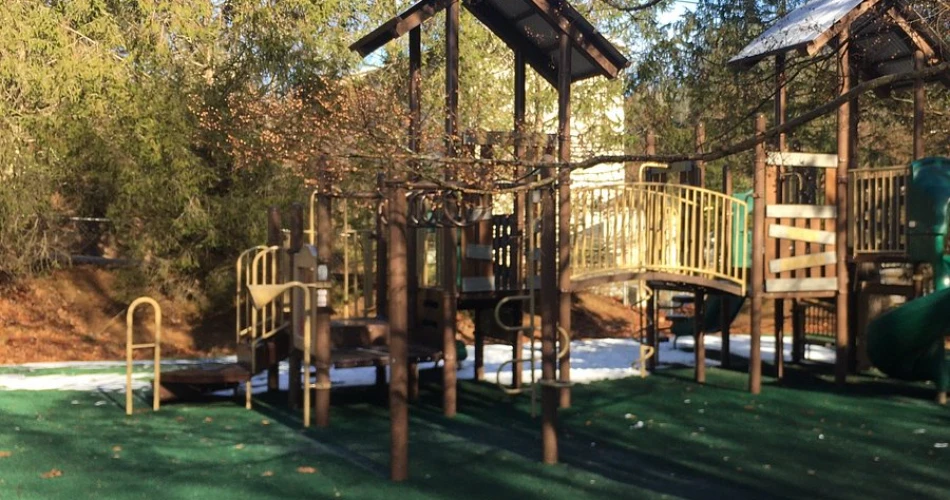
Mills Park is another city recreation area worth considering when the goal is to spend more time outside without taking on a demanding mountain trail. Like Gatlinburg's other public parks, it provides space for recreation and relaxation, making it a practical choice when visitors want a change of scenery but still want to remain close to the city.
The park system in Gatlinburg is designed to provide residents and visitors with opportunities for outdoor recreation, including walking, picnicking, sports, playground activities, and fishing. Mills Park is therefore better viewed as a place for an unhurried outdoor break rather than a sightseeing attraction that needs to be rushed through.
A useful way to enjoy the park is to visit earlier in the day, particularly during warmer months. The morning generally provides a more comfortable setting for walking and outdoor activities before temperatures rise. Late afternoon can also be pleasant, especially for travelers who have spent the earlier part of the day visiting attractions.
Mills Park can be particularly useful for families traveling with children because a park visit does not require everyone to have the same energy level. One person can sit and relax while another takes a walk or children spend time playing.
For visitors comparing outdoor places Gatlinburg with more demanding Smoky Mountains destinations, city parks have one major advantage: they require much less planning. There is no need to pack a hiking backpack or prepare for a long climb. Sometimes, finding fresh air simply means choosing a shaded bench, slowing down, and letting the sounds of the outdoors replace the noise of the city.
Try a Few Gatlinburg Outdoor Activities Beside the Trails
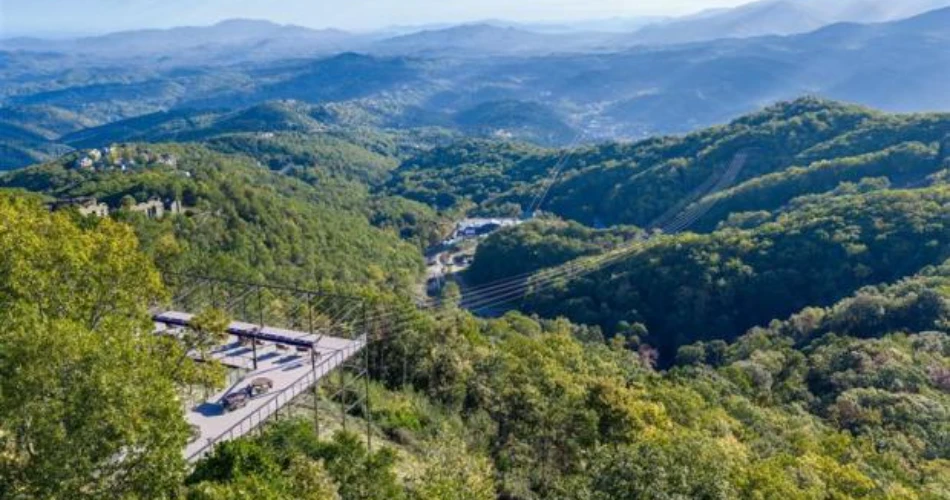
Fresh air in Gatlinburg does not have to mean hiking for several hours. Some of the most enjoyable Gatlinburg outdoor activities involve simply changing the pace of the day and spending more time outside. A short walk, picnic beside a river, scenic drive, or quiet afternoon in a city park can provide the outdoor break many travelers need.
Take a Riverside Walk
A riverside walk is one of the easiest ways to combine movement and scenery. The Gatlinburg Trail is particularly suitable because it follows the Little Pigeon River through forested surroundings. Even visitors who are not experienced hikers can approach the trail as a relaxed walk rather than a fitness challenge, provided they are comfortable with uneven sections.
Have a Picnic Outdoors
Picnicking gives visitors a chance to stay outside longer without constantly moving. City parks such as Herbert Holt Park provide picnic tables and other facilities, while several areas throughout the Smokies offer designated places for outdoor meals. The key is to follow park regulations, keep food secured, and leave the area clean.
Take a Scenic Drive
A scenic drive can be an excellent option when weather, mobility, or available time makes hiking less practical. Newfound Gap Road provides access from Gatlinburg into higher elevations and connects Tennessee with North Carolina through the park.
For visitors who want mountain scenery without a demanding trail, a carefully planned drive with a few stops can still provide plenty of time outdoors.
Find Peace on Less Demanding Smoky Mountains Trails
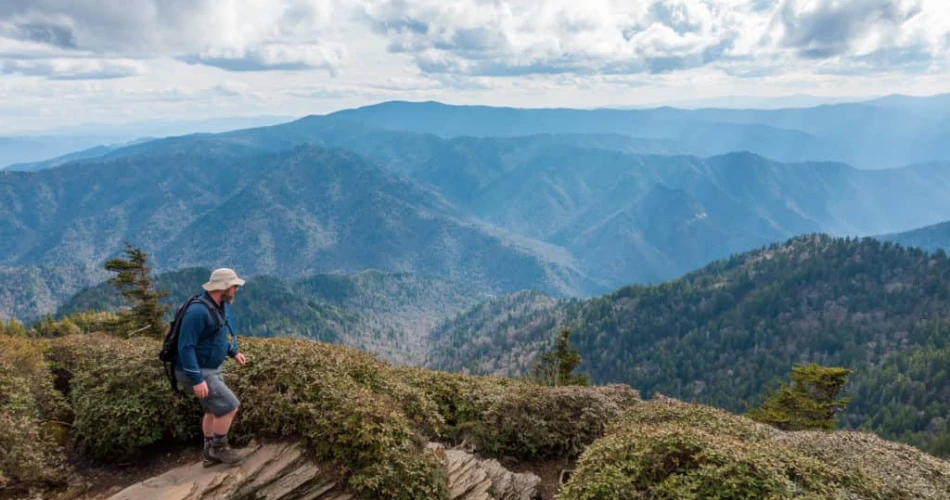
Not everyone looking for fresh air wants a challenging hike. The Smokies offer enough variety that visitors can choose trails according to their energy level rather than feeling pressured to complete one of the area's famous strenuous routes. The National Park Service lists more than 800 miles of trails and recommends considering distance, elevation, terrain, weather, and parking before setting out.
For an easier outing, the Gatlinburg Trail is an obvious option because it is relatively wide and mostly flat, although it still includes roots, rocks, uneven dirt, and several steeper portions. Sugarland Valley Nature Trail is another short option in the park and is listed by the National Park Service among its accessible trail opportunities.
The best experience often comes from resisting the temptation to do too much. A traveler with only a few hours can choose one trail, walk at a comfortable pace, stop beside the water, and return before becoming tired. Someone with a full day can select a longer route and spend more time away from developed areas.
The Smokies can also change quickly. The National Park Service warns hikers to be prepared for swollen streams, downed trees, bridge washouts, erosion, and changing trail conditions. Checking current trail information before leaving is therefore part of enjoying the outdoors responsibly.
Choose the Right Time for Fresh Air in Gatlinburg
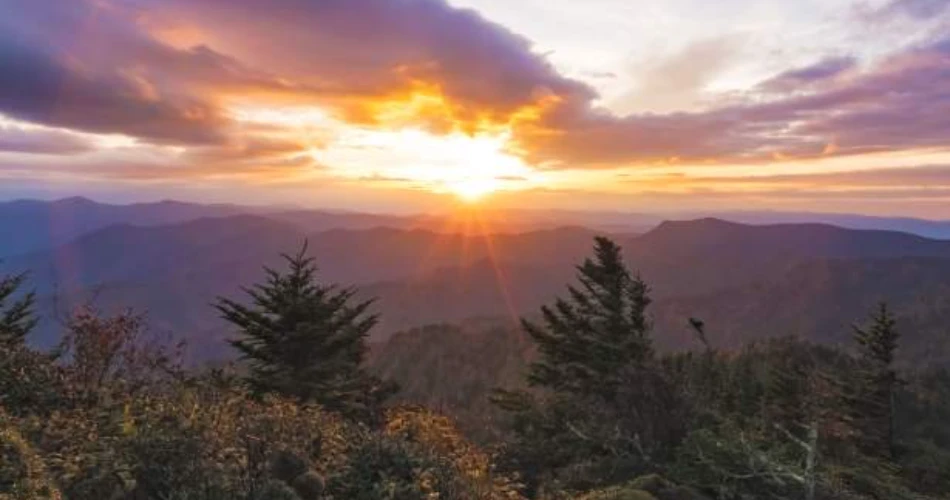
The best time for outdoor time depends on what kind of atmosphere a visitor wants. Summer can be warm and humid in Gatlinburg, making shaded forest trails and higher elevations particularly attractive. Newfound Gap and Kuwohi can provide noticeably cooler conditions than the valley, although visitors should still check the weather before driving uphill.
Spring brings fresh greenery, flowing streams, and changing mountain landscapes. It can be an excellent season for travelers who enjoy walking through forests rather than simply viewing the scenery from a car. Autumn attracts visitors for its changing foliage, so popular roads and trailheads can become especially busy.
Winter has a different character. Higher elevations can receive snow and ice even when conditions in Gatlinburg are relatively mild. Newfound Gap is specifically known for being colder than the lowlands, and the National Park Service advises visitors to be prepared for those differences.
Time of day matters as well. Earlier mornings can offer cooler temperatures and fewer people at many outdoor locations. The National Park Service also recommends starting hikes early or later in the afternoon when possible to avoid crowds at popular destinations.
For travelers primarily seeking fresh air rather than a particular attraction, an early morning walk followed by a slow breakfast can be one of the simplest ways to experience Gatlinburg's outdoor side.
Plan a Fresh-Air Day Without Making It Complicated
A good outdoor day in Gatlinburg does not require an ambitious itinerary. Visitors can begin with a short morning walk on the Gatlinburg Trail, spend some time near the river, and then drive toward a higher-elevation destination if weather and road conditions are suitable. Alternatively, a family can choose Herbert Holt Park for a casual picnic and recreation before returning to town.
Preparation becomes more important once the trip moves into Great Smoky Mountains National Park. Visitors should carry water, wear suitable footwear, check weather and trail conditions, and bring a physical or downloaded map. Cell service is limited in many parts of the park, and the National Park Service warns that some online mapping services can provide inaccurate directions in the mountains.
A parking tag is required for vehicles parked in the national park for more than 15 minutes. Popular trailheads may also fill quickly because parking is limited, so early arrival can make a significant difference.
Most importantly, visitors should choose activities that match their abilities. A short forest walk can be more enjoyable than a strenuous hike undertaken simply because it appears on a popular list. The real value of these outdoor places is the opportunity to slow down, hear the water, feel cooler mountain air, and spend time surrounded by the landscape.
Next post Easy Nature Walks to Enjoy Near Gatlinburg
Previous Post Best Scenic Spots to Visit Around Gatlinburg for Mountain Views and Memorable Drives
About Author