English

 Home
Home Hotels
  Car Rental
 Rewards
 Travel Guide
Beautiful Trails Near Gatlinburg for First-Time Hikers

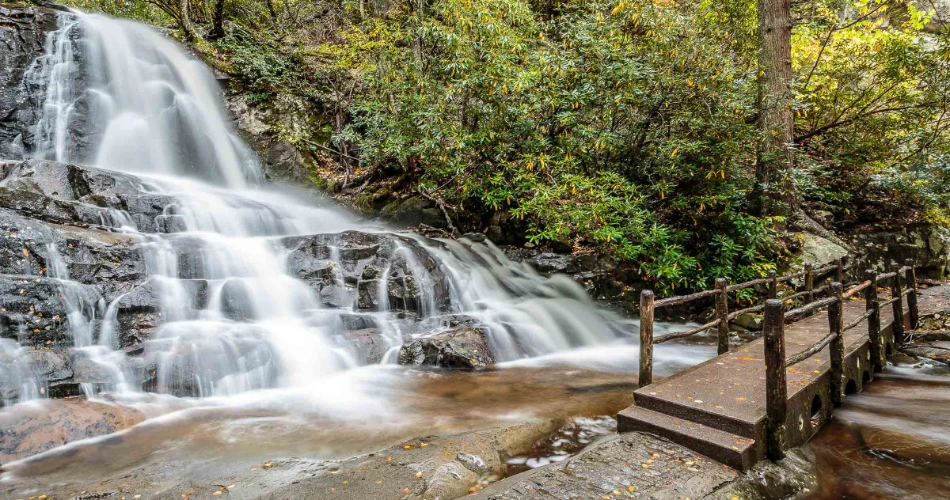
Gatlinburg is an easy place to fall in love with hiking, especially for someone who has never spent much time on a mountain trail. The city sits directly beside Great Smoky Mountains National Park, giving visitors access to everything from short paved walks to forest paths, waterfalls, streams, historic structures, and longer mountain routes. The important thing for a first hike is not choosing the most famous trail; it is choosing one that matches the hiker's fitness, comfort level, available time, and weather conditions. The Smokies have more than 800 miles of trails, and the National Park Service recommends considering mileage, elevation gain, terrain, and weather before setting out.
For a first visit, shorter trails can be surprisingly rewarding. A half-mile nature trail can introduce someone to the sounds of a mountain stream and the shade of a hardwood forest, while a four-mile riverside route can provide a real sense of hiking without demanding a major climb. The following trails offer a practical starting point for visitors who want to experience the scenery around Gatlinburg without immediately taking on one of the Smokies' demanding mountain hikes.
How to Choose the Right Trail for a First Hike
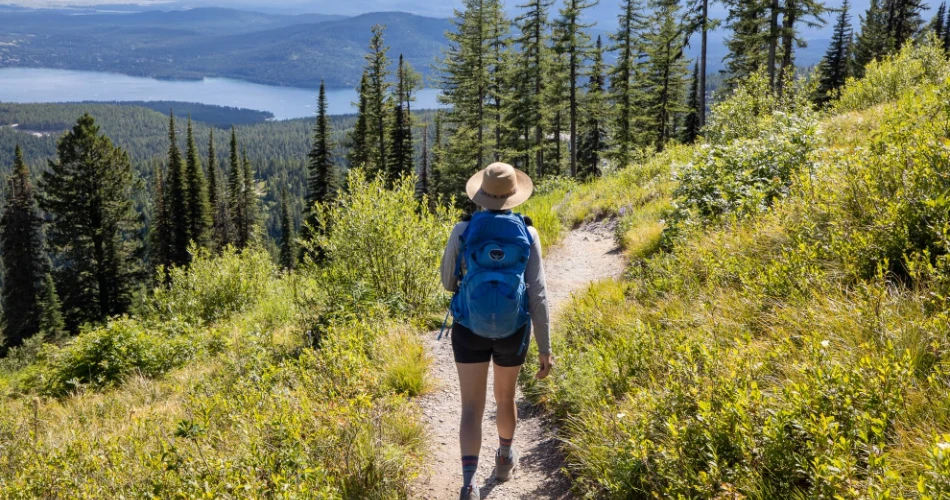
Choosing among the many trails near Gatlinburg is easier when the goal is to enjoy the walk rather than simply complete a certain number of miles. A first-time hiker should look at total distance, elevation gain, trail surface, expected weather, and how long the group can comfortably remain outdoors. The National Park Service specifically warns that a short trail is not automatically an easy trail, because steep grades, roots, rocks, mud, heat, or humidity can make a short route surprisingly tiring.
For beginners, a trail with a clear path, moderate terrain, and an obvious turnaround point is usually a better introduction than a steep route leading to a famous summit. It is also sensible to start early when visiting popular areas, as trailhead parking can become limited during busy periods. A first-time hiker should wear shoes with good traction, carry water, and keep a light rain layer available because mountain weather can change quickly.
Another useful rule is to let the slowest person in the group set the pace. There is no prize for reaching a waterfall ten minutes earlier, and taking regular breaks makes the experience more enjoyable. Cell service can also be limited in the Smokies, so visitors should download or carry a trail map before leaving.
Gatlinburg Trail: A Relaxed Riverside Introduction
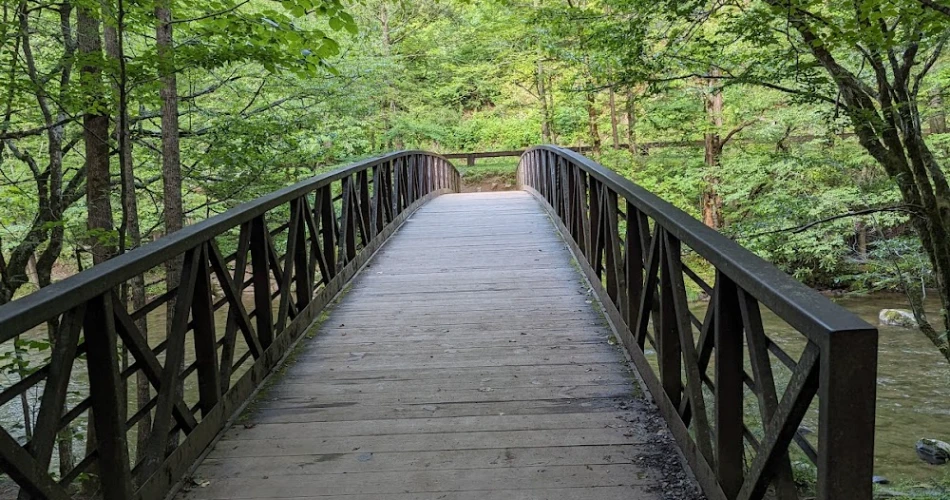
The Gatlinburg Trail is one of the most practical choices for someone trying hiking for the first time. The route runs for approximately 4 miles roundtrip between Sugarlands Visitor Center and River Road in Gatlinburg. Much of the trail follows the West Prong of the Little Pigeon River, giving walkers a pleasant combination of woodland scenery, water views, and relatively gentle terrain.
What makes this route particularly useful for beginners is the character of the trail. Near Sugarlands Visitor Center, portions follow sidewalk and roadside areas before becoming a wider, well-graded dirt path through the forest. There are some steeper sections, roots, rocks, and uneven surfaces, so it should not be treated as a completely flat walk. Still, the National Park Service describes it as a mostly flat and wide, leisurely path.
A first-time visitor does not necessarily need to complete the entire four miles. The route can be used as a flexible introduction to Smoky Mountain trails, with hikers turning around when they have had enough. The sound of the river makes the walk feel different from a typical city path, while old stone chimneys along the route offer a glimpse into the area's human history. The trail is also one of only two park trails where pets are permitted, although it is not ADA accessible. A parking tag is required for vehicles parked in the park for more than 15 minutes.
Cataract Falls: A Short Walk With a Waterfall Reward
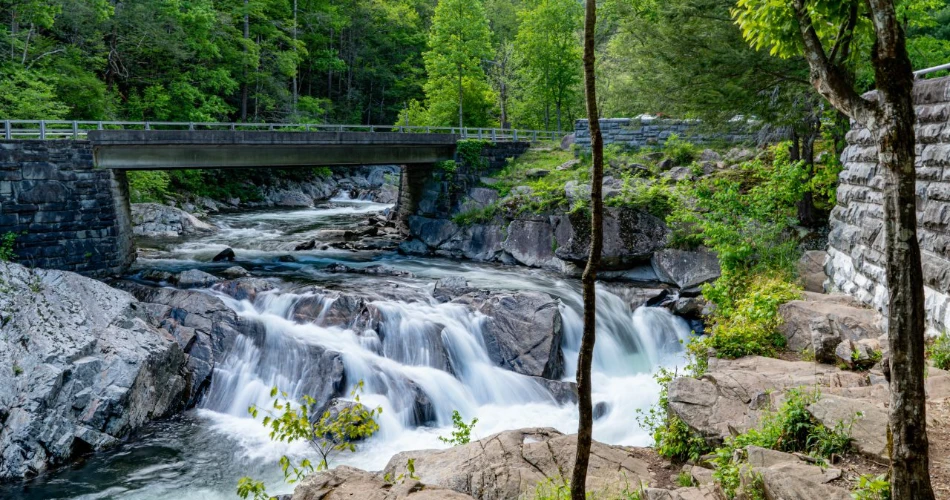
For a first-time hiker who wants a genuine Smoky Mountain experience without committing to several miles, Cataract Falls is one of the strongest choices near Gatlinburg. The trail begins close to Sugarlands Visitor Center and covers about 0.7 miles roundtrip. It follows Fighting Creek through a forested setting before reaching the narrow, approximately 40-foot waterfall.
The short distance makes Cataract Falls especially appealing to visitors who are unsure about their hiking ability. Rather than spending half a day on a trail, they can experience a forest walk, cross a bridge, listen to the creek, and reach a waterfall within a relatively short outing. The surrounding forest is also interesting in its own right, with changing vegetation and seasonal differences that make the same route feel different throughout the year.
What the Walk Is Like
The route begins behind Sugarlands Visitor Center, where hikers follow the path and connect with Fighting Creek Nature Trail before turning toward the falls. Because the trail follows water, sections can feel damp or slippery after rain. Good footwear is therefore more useful than ordinary casual shoes.
Cataract Falls is most impressive after substantial rainfall, but wet conditions can also make rocks and roots hazardous. The National Park Service specifically warns visitors not to climb around the waterfall because people have suffered serious injuries there. The safest way to enjoy the falls is from the bottom rather than attempting to scramble onto the rocks.
For someone searching for beginner hiking trails with a clear payoff, this short waterfall walk offers a satisfying first experience. Visitors can also combine it with time at Sugarlands Visitor Center, where they can pick up a park map and ask rangers about current trail conditions.
Sugarlands Valley Nature Trail: Easy Walking Through the Forest

The Sugarlands Valley Nature Trail is particularly suitable for visitors who want a gentle introduction to Great Smoky Mountains hiking. It is a half-mile paved loop with a relatively flat surface, making it considerably less demanding than many mountain trails. Along the route, visitors pass through cove hardwood forest and see a stream, rock walls, and historic stone chimneys.
This is not the trail for someone seeking a dramatic summit view, but that is exactly why it works for first-time hikers. The route allows visitors to slow down and pay attention to the landscape rather than concentrating on a steep climb. The short distance also makes it easy to fit into a busy Gatlinburg day. Someone can spend time hiking here without sacrificing an afternoon of other sightseeing.
Why Beginners May Prefer It
The trail's paved and flat character makes it a useful choice for visitors who are nervous about uneven mountain terrain. The National Park Service identifies Sugarlands Valley Nature Trail as the only ADA-accessible trail in Great Smoky Mountains National Park.
The trailhead is near Sugarlands Visitor Center on Newfound Gap Road, and the visitor center provides nearby restroom facilities. Parking is limited, so arriving earlier can make the outing easier. A parking tag is required when parking in the park for more than 15 minutes.
For a visitor who has never hiked before, this trail demonstrates that Smoky Mountain trails are not all about strenuous climbs. The forest itself can be the attraction. The sound of flowing water, old stonework, and changing light beneath the trees create plenty to notice without requiring advanced hiking skills.
Fighting Creek Nature Trail: Forest, History, and Wildlife
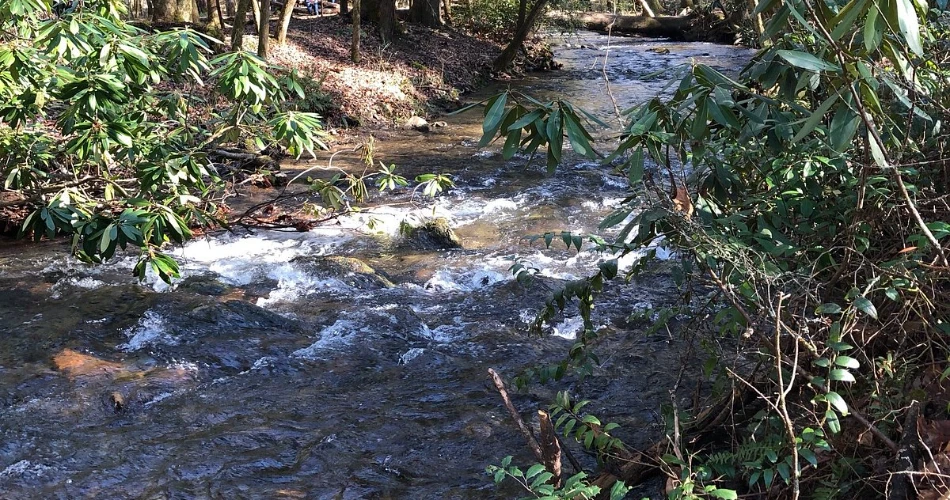
Fighting Creek Nature Trail offers a more traditional woodland hiking experience around the Sugarlands area. It is close to Sugarlands Visitor Center and connects with the route toward Cataract Falls. For first-time hikers, its appeal comes from the combination of forest scenery and historic features rather than a single dramatic viewpoint.
The area provides an opportunity to slow down and notice details that can easily be missed on a faster walk. Fighting Creek passes through the forest, and the surrounding habitat supports a variety of plants and wildlife. The National Park Service has also identified the trail as a place where visitors can observe wetland-related plants and seasonal wildflowers.
A Trail With a Sense of History
One of the interesting features in this area is the John Ownby Cabin, a historic structure associated with the Sugarlands community. Combining the trail with a visit to nearby historic sites gives first-time hikers a better understanding of the Smokies as a lived-in landscape rather than simply a wilderness destination.
Because Fighting Creek Nature Trail connects with other routes, visitors should pay attention to signs and maps instead of assuming every path returns to the starting point. Conditions can change because of maintenance, fallen trees, storms, or other natural events. The National Park Service advises checking current closures and cautions before beginning a hike.
This is also a good area for families and slower walkers who want to spend time observing the forest. Rather than rushing toward a destination, beginners can use the trail to learn basic hiking habits: watching footing, staying on marked paths, carrying water, and paying attention to weather and daylight.
Cove Hardwood Nature Trail: A Short Lesson in Smoky Mountain Forests
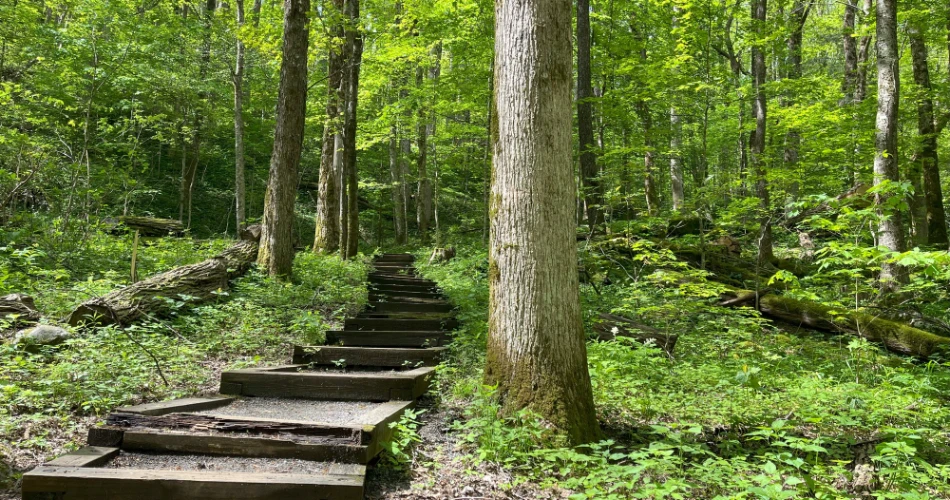
Cove Hardwood Nature Trail is another short option for visitors who want to understand why the Smokies are so rich in plant life. The trail is approximately three-quarters of a mile and forms a loop near the Chimney Tops Picnic Area along Newfound Gap Road. The National Park Service describes it as a self-guiding nature trail through a cove hardwood forest.
The trail is more about the forest than a major destination. That makes it valuable for first-time hikers who want a quiet walk with plenty of opportunities to stop and look around. Depending on the season, visitors may notice wildflowers, different tree species, fungi, mosses, and changes in the forest canopy. Spring is particularly notable for wildflowers in this part of the park.
A Good Step Up From the Easiest Walks
Cove Hardwood Nature Trail can work as a second or third hike for someone who has already tried a very short paved or riverside route. The distance is still manageable, but the experience feels more like being on a genuine forest trail.
The National Park Service has also recommended Cove Hardwood Nature Trail as one of the alternatives visitors can consider while Laurel Falls Trail remains closed for rehabilitation.
Beginners should still check the park's current trail conditions before leaving because temporary closures can occur. A trail that looks easy on paper can be affected by fallen trees, erosion, storms, or maintenance work. For hikers willing to move slowly and observe their surroundings, however, this route provides a good introduction to the ecological side of the Smokies.
Smokemont Nature Trail: A Short Loop With Mountain Character

Smokemont Nature Trail is farther from Gatlinburg than the Sugarlands-area walks, but it is worth considering for visitors who are planning a broader day in Great Smoky Mountains National Park. The trail forms a short 0.62-mile loop near Smokemont Campground and has about 168 feet of elevation gain. It follows Bradley Fork at first, crosses two small foot-log bridges, climbs gently toward the top of the loop, and then descends toward the creek.
For a first-time hiker, this trail offers something the flatter routes do not: a small taste of elevation change. The climb is relatively short, allowing beginners to experience uphill and downhill walking without committing to a long mountain hike. The foot-log bridges also add a little character to the route, although hikers should take care on narrow or uneven sections.
What Beginners Should Know
The trail has some steeper sections along with occasional roots and rocks. That means comfortable footwear is important, even though the overall distance is short. Parking is limited to designated spaces at Smokemont Campground, and visitors should not park in campsites. A parking tag is required for park parking longer than 15 minutes.
This route works particularly well for visitors who want to build confidence gradually. After completing a flat walk such as Sugarlands Valley Nature Trail, a short loop with modest elevation can feel like a natural next step. It also gives hikers a better sense of how quickly terrain can change in the Smokies.
What First-Time Hikers Should Know Before Going
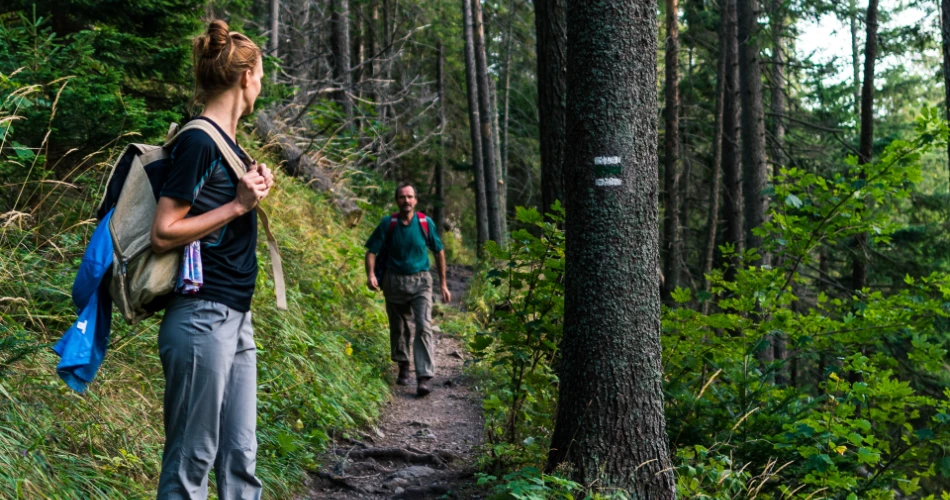
Good preparation can make an enormous difference on trails near Gatlinburg. Even an easy route is still a mountain environment, and conditions can change faster than visitors expect. The National Park Service recommends researching the trail, checking current hazards and closures, choosing a route appropriate for the group's abilities, and staying together. Cell service is extremely limited in parts of the Smokies, so hikers should not assume that a phone will always work when needed.
Footwear deserves particular attention. Hiking shoes or sturdy walking shoes with good traction are preferable to smooth-soled casual footwear because roots, rocks, mud, and wet surfaces are common. A small backpack should contain water, basic snacks, a rain layer, and a charged phone. A paper map or downloaded map is also useful.
Wildlife awareness matters as well. The Smokies are black bear country, and hikers should never approach or feed wildlife. Staying on marked trails helps protect both visitors and the environment.
Finally, beginners should not feel embarrassed about turning around. The National Park Service explicitly recommends turning back when a hike proves more difficult than expected. A successful first hike is one that leaves the visitor comfortable enough to want to walk another trail tomorrow.
When to Hike Around Gatlinburg
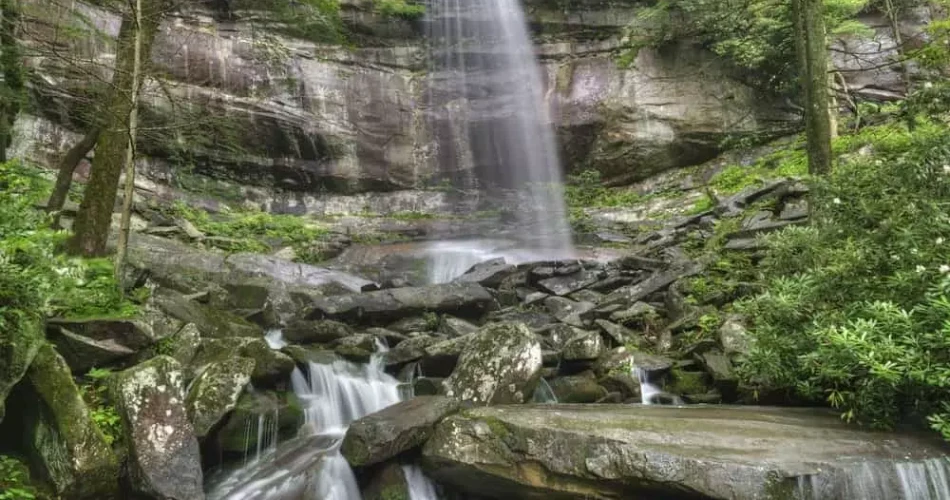
The best time for a first hike depends on what kind of experience the visitor wants. Spring brings fresh greenery and wildflowers, while summer produces dense forest growth and warmer, more humid conditions. Autumn is popular because cooler air combines with changing foliage, although popular trailheads can become busy. Winter offers a different view of the landscape because bare deciduous trees can open up vistas that are hidden during the warmer months.
For beginners, the time of day can be just as important as the season. Starting earlier generally provides more time, cooler temperatures, and a better chance of finding parking at busy trailheads. The National Park Service also suggests beginning early or later in the afternoon to avoid some crowds on popular day hikes.
Rain deserves special attention. Waterfalls can become more impressive after rainfall, but streams may rise and rocks can become slippery. A beginner should never treat a wet trail as identical to the same trail on a dry day.
Visitors should also check current road, trail, and weather conditions immediately before heading out. Laurel Falls, for example, remains closed as of July 2026 for rehabilitation work, despite being one of the area's best-known waterfall hikes. The National Park Service currently recommends alternative trails while that work continues.
Planning a Simple First-Hiking Day
A first hiking day around Gatlinburg does not need to involve a complicated itinerary. Starting at Sugarlands Visitor Center is practical because visitors can collect a park map, speak with rangers, use restrooms, and then choose between several nearby walks. A beginner could start with Sugarlands Valley Nature Trail to get comfortable, continue with Cataract Falls, and then decide whether there is enough energy for part of the Gatlinburg Trail.
This approach works better than selecting a long hike first and hoping everything goes well. Shorter routes give visitors the opportunity to understand how their bodies respond to humidity, elevation, uneven ground, and walking for an extended period. If everyone feels comfortable, the day can continue. If someone is tired, there is no reason to push farther.
Visitors should also leave enough time to return before darkness, especially if they are unfamiliar with the area. The National Park Service recommends tracking time and distance and setting a turnaround time when necessary.
The most memorable first experience may not be the longest hike. It might be sitting beside a creek after a short walk, hearing water move over rocks, noticing a historic chimney in the woods, or reaching a small waterfall without feeling exhausted. That is what makes the easier Smoky Mountain trails such useful starting points: they let beginners experience the character of the mountains while building confidence one walk at a time.
Next post Hiking Near Gatlinburg When You Only Have a Few Hours
Previous Post Where to Go Hiking Around Gatlinburg Without a Long Drive
About Author