English

 Home
Home Hotels
  Car Rental
 Rewards
 Travel Guide
Beautiful Walking Trails Around Gatlinburg for a Relaxing Day Outdoors

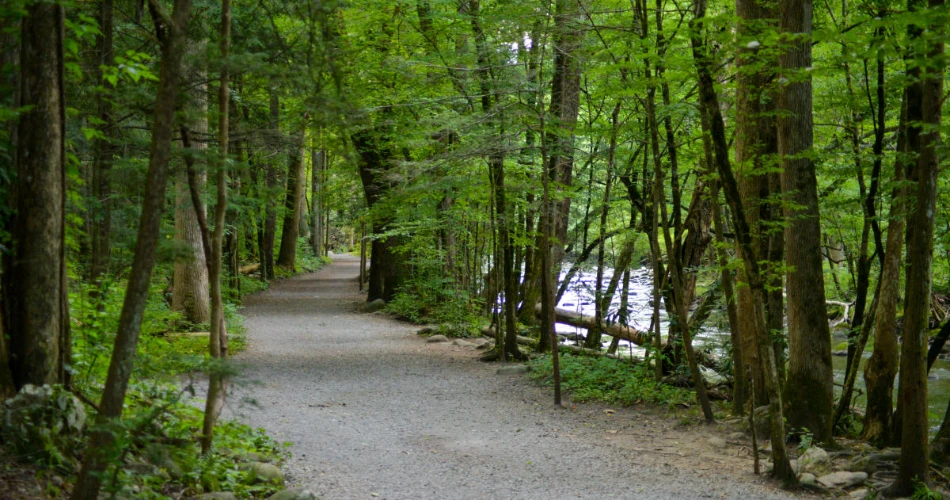
Gatlinburg is one of those places where a short walk can quickly turn into a memorable part of the trip. The town sits beside Great Smoky Mountains National Park, so visitors do not have to drive for hours or take on a difficult mountain hike to enjoy trees, streams, wildflowers, and mountain scenery. Some paths are close to downtown, while others begin just a short drive away and lead into quieter parts of the Smokies. That variety makes the area especially appealing to travelers who want to spend time outdoors without planning an exhausting day.
The beautiful walking trails around Gatlinburg range from paved nature paths to easy forest walks and longer riverside routes. A traveler with only an hour to spare can enjoy a short walk near Sugarlands, while someone with a free afternoon can follow a longer trail beside the Little Pigeon River. Each route has its own character, and the experience changes with the season, weather, and time of day.
Easy Walking Trails Near Gatlinburg for a Gentle Start
Not every traveler visiting the Smokies is looking for a challenging hike. Some people simply want to stretch their legs, breathe fresh mountain air, and spend an hour surrounded by trees. Fortunately, several easy hikes in Gatlinburg and nearby areas provide exactly that kind of experience. These shorter routes are particularly useful for families, older travelers, first-time visitors, or anyone fitting a walk between other plans.
One of the strongest choices for an easy start is Sugarlands Valley Nature Trail. The National Park Service describes it as a paved, half-mile loop near Sugarlands Visitor Center, making it the only trail in the park that currently meets ADA accessibility standards. The route provides a peaceful woodland setting alongside the West Prong of the Little Pigeon River.
Cataract Falls is another relatively short option. The walk to the 40-foot waterfall is about 0.7 miles round trip from Sugarlands Visitor Center. The route follows Fighting Creek through the forest and includes a footbridge along the way.
These walks are a good reminder that a rewarding Smoky Mountain outing does not always require several hours on the trail.
Sugarlands Valley Nature Trail
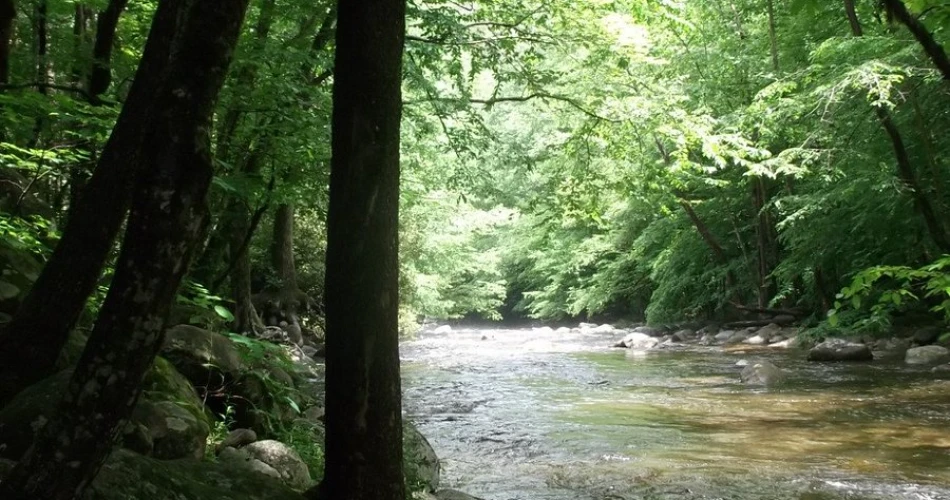
Sugarlands Valley Nature Trail is a particularly practical choice when the goal is simply to enjoy the woods without taking on a strenuous route. The paved loop is about half a mile long and sits near Sugarlands Visitor Center, so visitors can easily combine the walk with a stop at the visitor center. The trail follows the West Prong of the Little Pigeon River, giving the walk a pleasant combination of forest and water views.
From a traveler's perspective, its short length is one of its biggest advantages. Someone arriving in Gatlinburg late in the afternoon, for example, could make the drive into the park, walk the loop, and still have plenty of time for dinner or other plans. It also works well when a group has different comfort levels with hiking.
The surrounding forest provides shade, and the river adds a gentle background sound that makes the trail feel removed from the busy streets of Gatlinburg. Because it is paved, the trail is also a useful option for visitors looking specifically for an accessible route. The National Park Service identifies it as the park's only ADA-accessible trail.
Cataract Falls
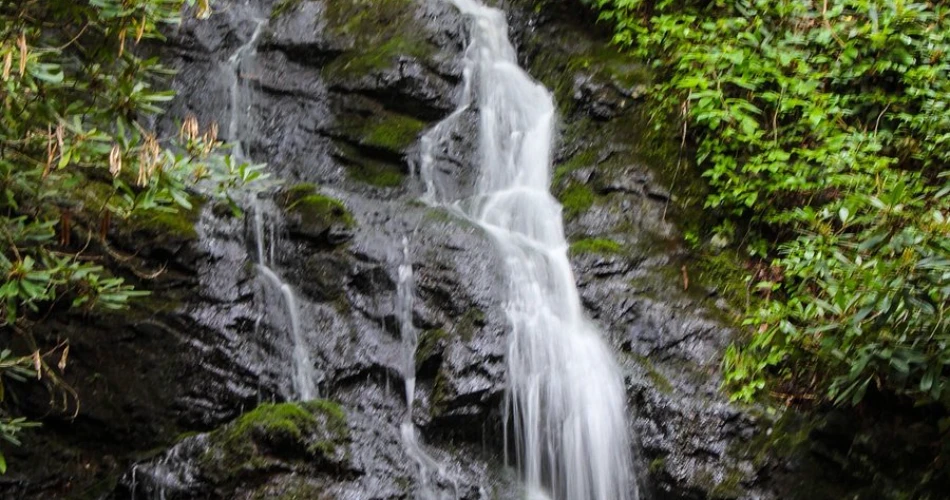
Cataract Falls gives travelers the chance to add a waterfall to a short walking outing without committing to a long mountain hike. The trail begins near Sugarlands Visitor Center and follows Fighting Creek through a wooded setting. The round trip to the 40-foot waterfall is approximately 0.7 miles.
The walk itself is part of the experience. Instead of arriving directly at a viewpoint, visitors gradually move through the forest, crossing a bridge and following the creek before reaching the falls. After rainfall, the waterfall can become more dramatic, although wet conditions can also make surrounding rocks slippery.
This is a good trail for travelers who want a quick nature stop during a busy Gatlinburg vacation. It can be paired with a visit to Sugarlands Visitor Center, where travelers can get current park information and maps.
The National Park Service specifically warns visitors not to climb around the waterfall. The rocks can be dangerous, and serious injuries have occurred. The safest way to enjoy Cataract Falls is from the designated viewing area at the bottom.
Riverside Walks With Peaceful Smoky Mountain Views
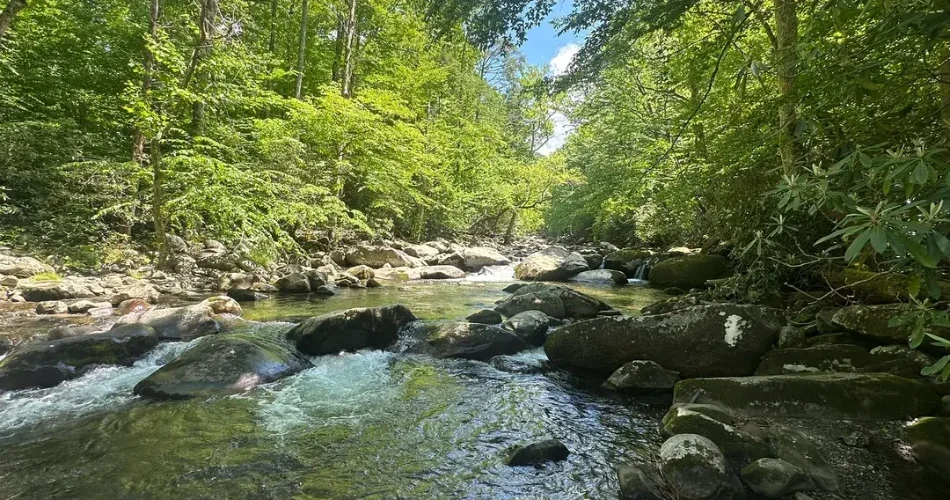
Some of the most enjoyable Gatlinburg walking trails are the ones that stay close to moving water. There is something naturally calming about walking beside a river or creek, particularly when the path passes through hardwood forest and the sounds of traffic gradually disappear. Gatlinburg has several options for travelers who prefer this type of scenery.
The Gatlinburg Trail is one of the most convenient choices. It connects Sugarlands Visitor Center with the outskirts of Gatlinburg and follows the West Prong of the Little Pigeon River for much of its route. The National Park Service describes the round trip from Sugarlands Visitor Center to River Road as approximately four miles.
The Riverwalk provides an even easier option for travelers who want to remain downtown. It follows the Little Pigeon River and includes gazebos and benches where visitors can stop and enjoy the water. Visit Gatlinburg specifically recommends the Riverwalk as a quieter alternative to walking the busy downtown Parkway.
For someone staying near downtown, this combination is hard to beat. A morning Riverwalk stroll can be followed by breakfast or sightseeing, while the Gatlinburg Trail offers a longer outing when more time is available.
Gatlinburg Trail
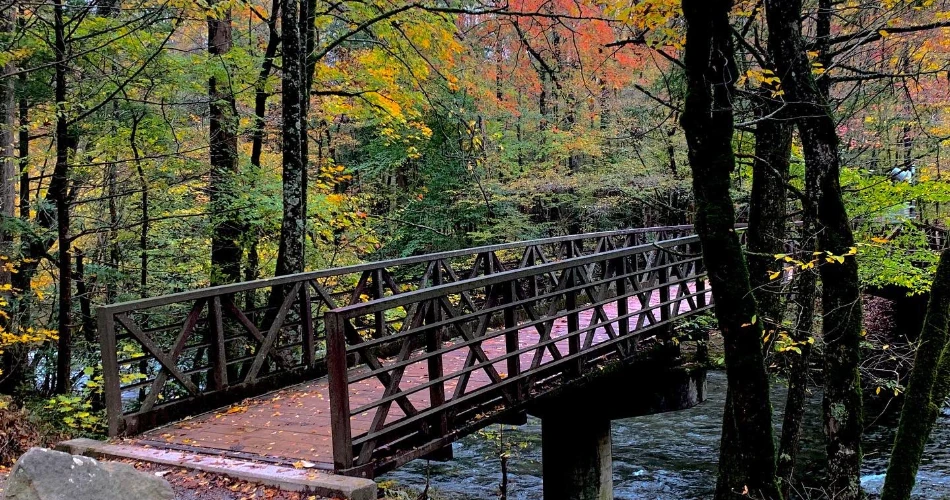
The Gatlinburg Trail is one of the most appealing choices for travelers who want a longer but relatively gentle walk close to town. The route is approximately 1.9 miles one way between Sugarlands Visitor Center and the edge of Gatlinburg. It is mostly wide and relatively flat, although the National Park Service notes that there are some steeper sections, roots, rocks, and uneven surfaces.
The river is a major part of the experience. The path follows the West Prong of the Little Pigeon River, and a pedestrian footbridge provides one of the memorable points along the route. Historic stone chimneys and foundations from former homesites can also be seen, giving the walk a connection to the area's past.
Another unusual feature is that the Gatlinburg Trail is one of only two trails in the national park where dogs and bicycles are permitted. Dogs must be leashed. A parking tag is required when parking in the park for more than 15 minutes.
For a traveler, the best approach is not necessarily to complete the entire route. Walking partway along the river and turning back can still provide a satisfying outing.
Gatlinburg Riverwalk
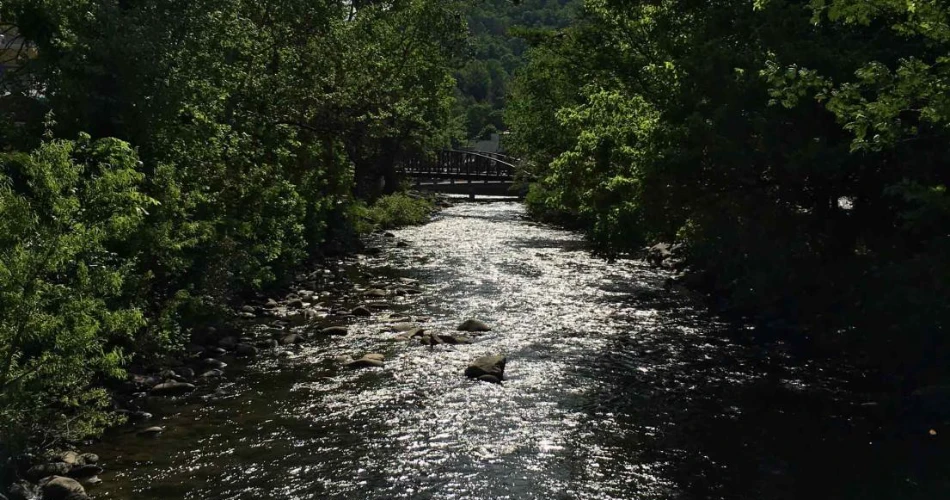
The Gatlinburg Riverwalk offers a completely different walking experience because it stays within the city. Rather than putting aside several hours for a national park trail, travelers can take a short riverside stroll while already downtown. The route runs along the Little Pigeon River and includes benches and gazebos where visitors can stop.
This makes the Riverwalk especially convenient for travelers who have been shopping, dining, or visiting attractions along the Parkway. A short walk beside the water can provide a welcome change of pace without requiring a separate driving trip.
The atmosphere can change considerably depending on the time of day. Early morning tends to feel calmer, while an afternoon walk can be a pleasant break when visitors want to step away from the busiest downtown areas. Autumn adds another layer of scenery as changing leaves appear around the river.
The Riverwalk is not a strenuous trail, and that is precisely its appeal. Travelers can walk at their own pace, stop for photographs, sit on a bench, and continue whenever they feel like it. For visitors with limited time, it is one of the easiest ways to include nature in a Gatlinburg itinerary.
Forest Trails and Creekside Walks Near Gatlinburg
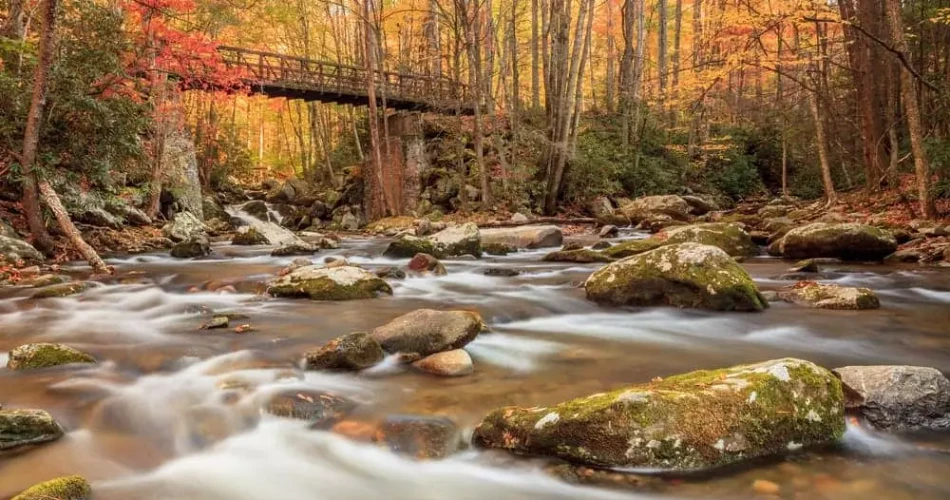
Travelers who want to move farther into the Smokies will find that the scenery quickly changes from town streets to dense forest, creeks, historic structures, and mountain vegetation. Several scenic trails near Gatlinburg provide this experience without requiring visitors to tackle one of the area's more demanding climbs.
The Little River Trail in the Elkmont area is a particularly interesting choice. The trail begins on a mostly wide and relatively flat section and follows the Little River through a shaded forest. Along the way, travelers can see historic structures, wildflowers, and streamside scenery. The route is rated easy to moderate and extends much farther than a typical short nature walk.
For travelers interested in a shorter outing, the trail does not have to be completed in full. Walking along the first section beside the river can provide plenty of scenery before turning around.
The Elkmont area also adds a historical element to the experience. Instead of seeing only trees and water, travelers encounter traces of earlier communities and structures. That mixture of nature and history gives this part of the Smokies a distinctive character.
Little River Trail
The Little River Trail is a strong option for travelers who enjoy walks where the surroundings change gradually rather than leading immediately to one major attraction. Located in Elkmont, the trail follows the Little River and begins relatively wide and flat before becoming narrower and rockier farther along. It also connects with other trails, including Cucumber Gap, Rough Creek, and Goshen Prong.
The full trail is much longer than what most casual visitors need. The listed length is 5.4 miles one way, with an elevation gain of 412 feet, and it is rated easy to moderate. For a relaxed day, travelers can simply walk a portion of the route and turn around when they have had enough.
The river remains an important part of the scenery, while spring brings wildflowers to the forest. Historic structures add another layer of interest, making the route enjoyable for travelers who like a little history mixed with their outdoor time.
Parking is available in the Elkmont Historic District, and a parking tag is required when parking in the national park for more than 15 minutes.
Walking Trails for Waterfalls, Wildflowers, and Nature
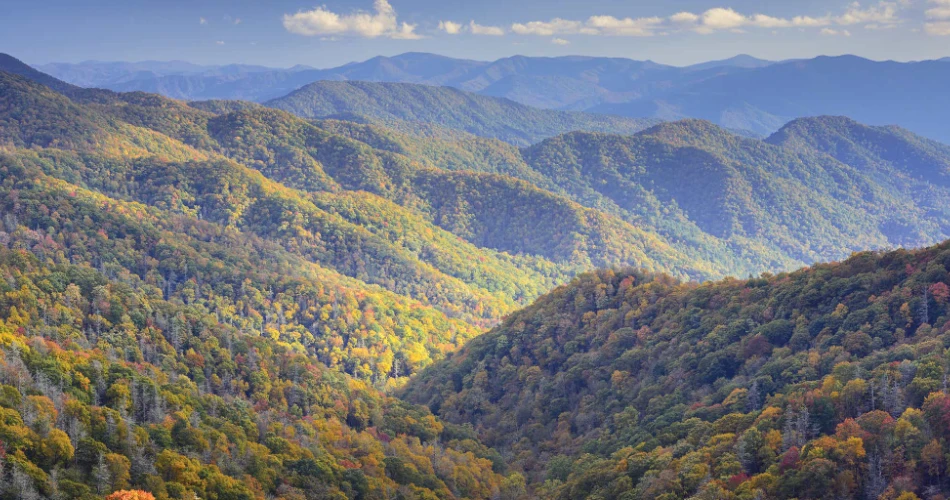
A walk around Gatlinburg becomes even more memorable when there is something specific to look for along the way. Waterfalls, wildflowers, streams, old structures, and changing forest colors give travelers reasons to slow down instead of treating the trail simply as a route from one point to another.
Cataract Falls is an obvious example. The waterfall is only a short walk from Sugarlands Visitor Center, yet the route feels like a genuine forest experience because it follows Fighting Creek and crosses a footbridge before reaching the falls.
The Little River Trail provides a different kind of nature experience. Its streamside setting and spring wildflowers make the route particularly appealing during the warmer months, while historic structures provide additional points of interest.
Travelers should also remember that mountain conditions are constantly changing. The National Park Service warns that trail conditions can include swollen streams, downed trees, bridge washouts, and erosion. A short trail should not automatically be assumed to be effortless.
That is part of what makes walking in the Smokies interesting, though. The landscape is not perfectly controlled or predictable. A trail can look completely different after rain or as the seasons change.
What to Look for Along the Way
A traveler does not need to be an experienced photographer or naturalist to enjoy the details along these trails. In spring, small wildflowers can appear across the forest floor, while summer brings dense green vegetation and shaded walking conditions. Autumn changes the entire landscape with colorful leaves, and winter can open views through trees that are hidden during the warmer months.
Water is another feature worth watching. Creeks can be calm during dry weather and much faster after rainfall. The sound of rushing water often makes a trail feel more secluded, but it is also a reminder to keep a safe distance from slippery banks and fast-moving streams.
Historic chimneys and cabins can also appear along certain routes, particularly around the Gatlinburg Trail and Elkmont. These remnants provide a glimpse into the communities that existed in the mountains before the national park was established.
Instead of rushing to the destination, travelers can make the walk more enjoyable by stopping occasionally, listening to the forest, and paying attention to smaller details.
Best Times to Walk Around Gatlinburg

There is no single perfect season for the beautiful walking trails around Gatlinburg because each time of year changes the scenery and trail experience. Spring is appealing for travelers who enjoy fresh greenery and wildflowers, while summer offers longer daylight hours and lush forests. Fall is especially popular because the surrounding mountains become filled with changing foliage. Winter is quieter and can provide more open views through bare trees, although colder conditions can make some trails more difficult.
Time of day matters as well. Early mornings are often a good choice for travelers who prefer quieter paths and cooler temperatures. A morning walk can also fit neatly into a day that later includes downtown Gatlinburg attractions. Late afternoon can work well for shorter routes, particularly when the goal is photography or a relaxed stroll rather than a long hike.
Crowds should also be considered. The National Park Service notes that parking at popular trailheads can be limited during summer and weekends. Arriving earlier can therefore make the experience easier.
Before setting out, travelers should check current trail conditions and closures. For example, Laurel Falls Trail is currently closed for rehabilitation, with the National Park Service anticipating reopening sometime in 2027.
Practical Tips for Walking Gatlinburg's Trails
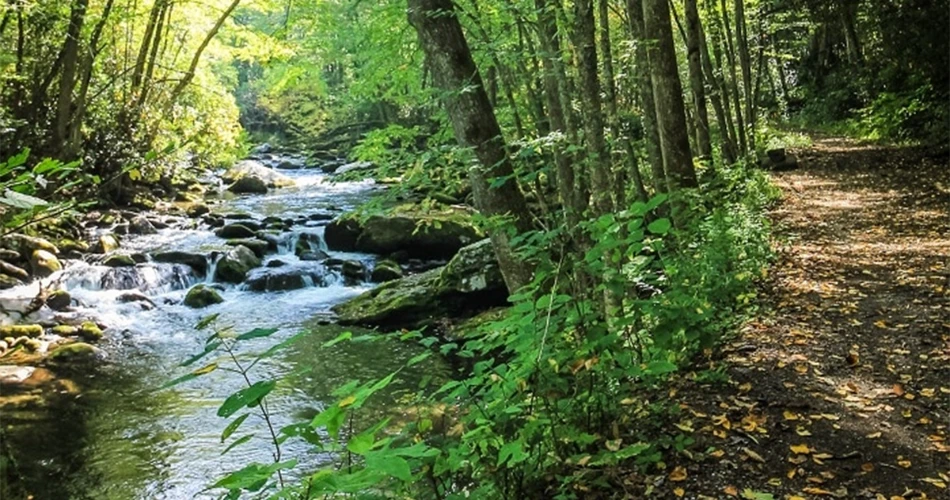
The best trail around Gatlinburg depends less on finding a single "best" route and more on matching the walk to the kind of day a traveler wants. For a short and accessible nature experience, Sugarlands Valley Nature Trail is an excellent starting point. Its paved half-mile loop and location near Sugarlands Visitor Center make it convenient for visitors who want an uncomplicated woodland walk.
Cataract Falls is a better choice for travelers who want a short walk with a clear destination. The waterfall adds a sense of reward without requiring a lengthy hike.
Those wanting river scenery and more walking time can choose the Gatlinburg Trail. Its relatively flat character and location between Sugarlands and Gatlinburg make it particularly appealing for a relaxed outdoor outing.
For travelers interested in a longer forest experience, the Little River Trail at Elkmont provides streamside scenery, wildflowers, and historic features. Meanwhile, visitors who want a walk without leaving the downtown area can simply choose the Gatlinburg Riverwalk, where benches and gazebos make it easy to stop whenever the mood strikes.
That variety is one of Gatlinburg's greatest advantages. A traveler can choose a quick stroll one day and a longer forest walk the next without repeating the same experience.
Choosing the Right Trail for the Day
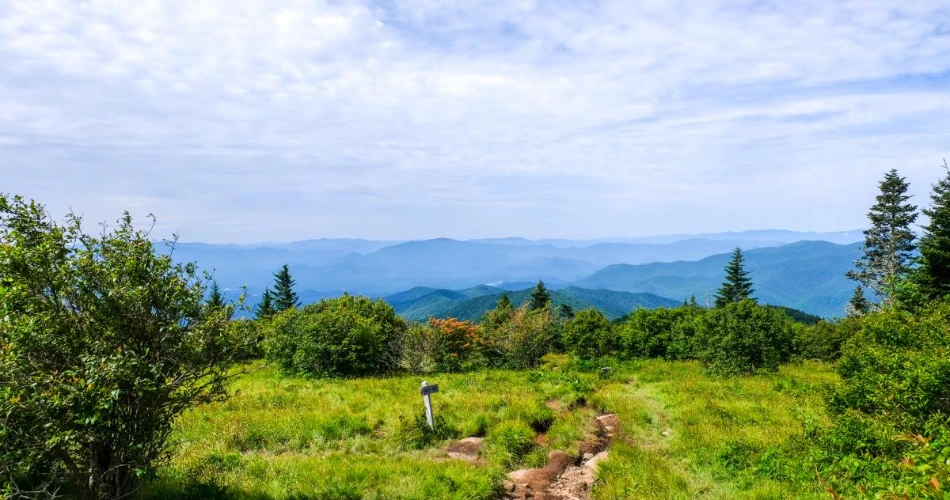
A comfortable walk starts with choosing a trail that matches the group's ability and available time. A half-mile paved route is very different from a four-mile riverside walk or a longer forest trail, so travelers should check distance, terrain, elevation, and current conditions before leaving. The National Park Service recommends getting a trail map and being prepared for changing mountain conditions.
Comfortable walking shoes are useful even on easy routes because dirt, roots, rocks, and wet surfaces can appear unexpectedly. Water is also important, particularly during warmer months. A small backpack with water, snacks, sunscreen, insect protection, and a light rain layer can make a noticeable difference.
Travelers should avoid climbing waterfalls or walking onto unstable rocks. At Cataract Falls, for example, the National Park Service specifically warns against climbing around the waterfall because wet rocks have caused serious injuries.
Parking is another detail worth remembering. A parking tag is required in Great Smoky Mountains National Park when a vehicle is parked for more than 15 minutes.
Most importantly, visitors should leave the trails as they found them. Staying on established paths, carrying out trash, keeping dogs leashed where permitted, and giving wildlife plenty of space all help protect the scenery that makes these walks worth taking.
A Few Hours on the Trail Can Change the Pace of a Gatlinburg Trip
Gatlinburg is easy to associate with busy streets, restaurants, attractions, and packed sightseeing schedules, but its walking trails offer a completely different rhythm. A morning beside the Little Pigeon River, a short walk to a waterfall, or an afternoon among the trees can create breathing room in an otherwise busy vacation.
The beautiful walking trails around Gatlinburg also make it possible to choose an experience that fits almost any traveler. Sugarlands Valley Nature Trail keeps things short and accessible, Cataract Falls adds a waterfall to a simple walk, and the Gatlinburg Trail provides a longer riverside route. The Riverwalk is convenient for those staying close to downtown, while the Little River Trail gives returning visitors a chance to spend more time in the forest.
Rather than trying to fit every attraction into one day, travelers can leave a little room for an unhurried walk. The Smokies are often at their best when there is no need to rush. A quiet trail, cool stream, birds in the trees, and mountain air can be enough to make an ordinary afternoon feel like an important part of the trip.
Next post Where to Find Peace and Quiet in Gatlinburg
Previous Post Best Places to See Mountain Views in Gatlinburg
About Author