English

 Home
Home Hotels
  Car Rental
 Rewards
 Travel Guide
Where to Find Peace and Quiet in Gatlinburg


Gatlinburg is often associated with busy sidewalks, family attractions, restaurants, souvenir shops, and the constant movement of visitors heading toward the Great Smoky Mountains. Yet the city has another side that becomes noticeable as soon as the crowds thin out. A short drive from the main Parkway can lead to a creekside park, a forest trail, or a quiet stretch of road where the sound of rushing water replaces traffic. That makes it surprisingly easy to find peaceful places in Gatlinburg without giving up convenient access to town.
The best quiet spots are not necessarily the most famous attractions. Some are simple city parks, while others sit within Great Smoky Mountains National Park. Early mornings, weekdays, and slower seasons generally make it easier to enjoy them without large crowds. Visitors looking for Smoky Mountains solitude can also choose trails and picnic areas where the experience is more about listening to water, watching birds, or walking beneath the trees than checking off major attractions.
Quiet Places in Gatlinburg Without Leaving Town
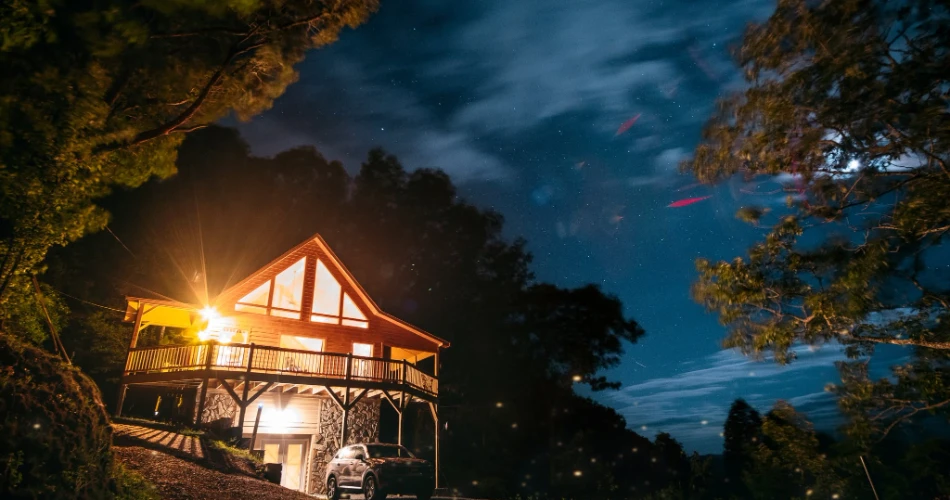
One of the easiest ways to find quiet places in Gatlinburg is to stay within the city limits and step away from the Parkway. Gatlinburg operates several public parks that provide green space, creek access, walking areas, fishing opportunities, and places to sit. They are particularly useful for travelers who want a peaceful break without committing to a long hike or driving deep into the national park.
Mynatt Park is along LeConte Creek and includes paths, picnic areas, playground facilities, fishing access, and sports amenities. Because it is close to downtown, it can work well when someone wants a short outdoor pause between other activities. Herbert Holt Park, near the northern entrance to Gatlinburg, has a stronger fishing focus, with a children's fishing stream, an accessible fishing pier, picnic facilities, and a trout-rearing facility. The setting beside the West Prong of the Little Pigeon River gives it a natural atmosphere despite its convenient location.
These parks are not guaranteed to be silent, particularly during busy afternoons or family-oriented events. Still, they offer a more relaxed alternative to the commercial center. For travelers who simply want to sit beside water, read for a while, enjoy a snack, or take an easy walk, these Gatlinburg quiet spots can be surprisingly effective.
Mynatt Park for a Creekside Break
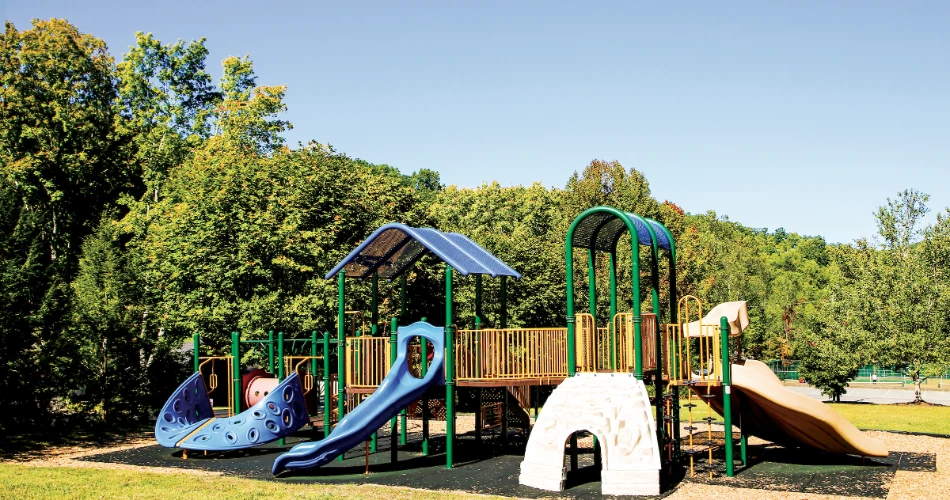
Mynatt Park is a practical choice when the goal is relaxation rather than a major outdoor adventure. Its location along LeConte Creek gives visitors something natural to focus on, while its paved and accessible paths make it easier for people who do not want a strenuous walk. The park also has picnic areas, playground facilities, fishing access, tennis and basketball courts, and other recreational features.
The best approach is to treat Mynatt Park as a place to slow the pace of a busy Gatlinburg day. Rather than arriving with a long activity list, visitors can bring a drink, find a comfortable place near the creek, and spend some time listening to the water. Families can allow children to use the playground while adults take a quieter break nearby.
Because the park serves local residents as well as visitors, it does not feel like a dedicated tourist attraction. That is part of its appeal. Early morning is likely to provide the calmest atmosphere, while late afternoon can also be pleasant when the heat begins to ease. It is not a wilderness setting, but for travelers searching for peaceful Gatlinburg experiences without leaving town, it provides an uncomplicated way to get outdoors.
Herbert Holt Park for Fishing and Riverside Calm
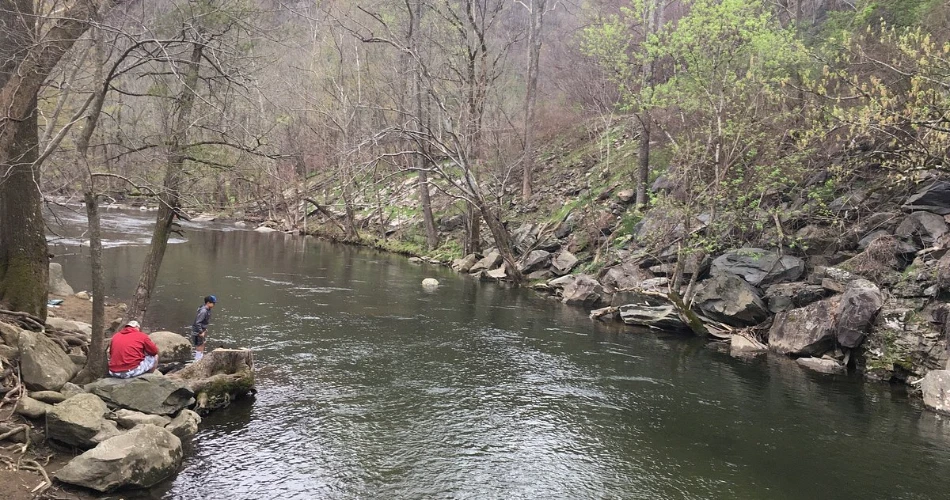
Herbert Holt Park offers a different kind of quiet. Located near Gatlinburg's northern entrance, it sits alongside the West Prong of the Little Pigeon River and is particularly known for fishing. The park includes a children's fishing stream, an accessible fishing pier, picnic tables, grills, a covered pavilion, a playground, and restrooms.
The fishing focus naturally creates a slower rhythm than many attractions around the Parkway. Someone sitting beside the water does not need to be constantly moving from one attraction to another. The river provides a steady background sound, while the surrounding trees make the setting feel removed from the commercial activity nearby.
Herbert Holt Park works especially well for visitors who enjoy simple outdoor activities. Fishing can occupy the morning, while a picnic provides an easy way to extend the visit. Travelers who do not fish can still use the riverside setting for a short break. Families may find the playground useful, while visitors seeking a quieter moment can choose a spot away from the more active facilities.
It is worth remembering that this is a public recreation area rather than a secluded wilderness location. The experience depends on timing, but it remains one of the more convenient Gatlinburg quiet spots for anyone who does not want a demanding hike.
Peaceful Trails Near Gatlinburg in the Smokies
For deeper Smoky Mountains solitude, the trails around Gatlinburg provide a noticeable change from the city. Great Smoky Mountains National Park begins practically at the edge of town, and several trails near the Gatlinburg side offer forest scenery without requiring an all-day expedition. The important distinction is that quiet does not always mean remote. Some popular trails become crowded, especially around midday, so timing matters as much as choosing the trail itself.
Sugarlands Valley Nature Trail is one of the simplest options. It is a paved, flat half-mile loop through cove hardwood forest, with views of the West Prong of the Little Pigeon River, rock walls, and historic stone chimneys. The National Park Service identifies it as the park's only trail that currently meets ADA accessibility standards.
The Gatlinburg Trail offers a longer alternative. It runs approximately four miles round trip between Sugarlands Visitor Center and River Road in Gatlinburg, following a wooded route near the river. It is also one of the park's few trails where dogs and bicycles are permitted.
For either trail, an early start is useful for travelers who value quiet. The forest feels different before the main flow of visitors arrives, and there is more opportunity to stop without feeling as though others are waiting behind. A parking tag is required for parking in the national park for more than 15 minutes, so visitors should arrange that before setting out.
Sugarlands Valley Nature Trail for an Easy Forest Walk
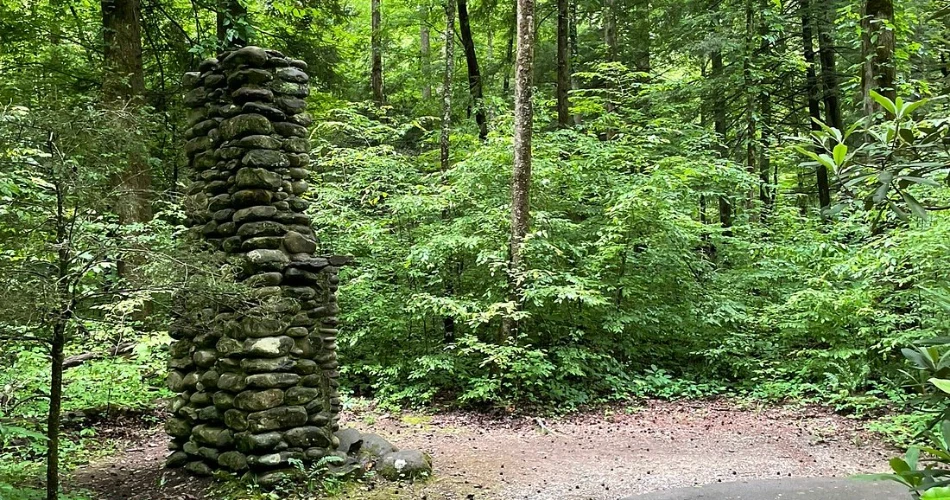
Sugarlands Valley Nature Trail is particularly useful for travelers who want tranquility without a physically demanding hike. The entire loop is only half a mile and follows a paved, flat surface. Along the way, the forest opens around the West Prong of the Little Pigeon River, while stone walls and chimneys provide reminders of the people who lived in these mountains before the area became a national park.
Its short length means visitors do not have to dedicate an entire morning to the experience. Someone staying in Gatlinburg can arrive early, walk slowly, stop beside the stream, and still have plenty of time for other plans. That makes it especially appealing for older travelers, families, or anyone recovering from a full day of sightseeing.
The trail's accessibility is another major advantage. The National Park Service currently lists it as the only ADA-accessible trail in Great Smoky Mountains National Park. Free mobility equipment may also be available through the park's accessibility program, subject to availability.
While no trail near a major gateway can promise complete solitude, Sugarlands Valley can provide a genuinely quiet woodland experience when visited at a less busy time. For visitors searching for quiet trails Gatlinburg without a strenuous climb, it is one of the most practical choices.
The Gatlinburg Trail for Riverside Walking
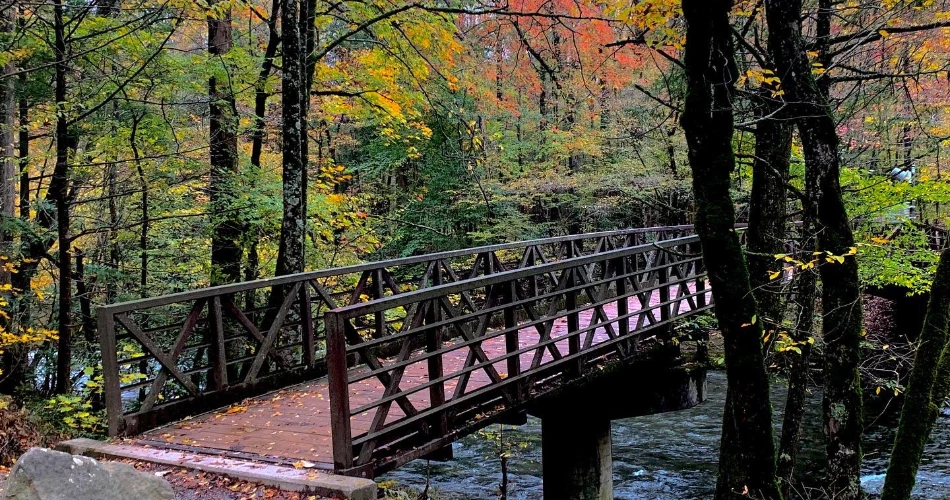
The Gatlinburg Trail offers more distance while remaining relatively approachable. The route is approximately four miles round trip from Sugarlands Visitor Center to River Road in Gatlinburg. It passes through cove hardwood forest and follows the river, creating plenty of opportunities to hear flowing water and observe the changing character of the woodland. Historic stone chimneys can also be seen along the route.
One of the most useful things about this trail is its flexibility. Visitors do not have to complete the entire route to enjoy it. A traveler interested mainly in a peaceful walk can go a short distance, find a comfortable place to pause, and return when ready. Those wanting more exercise can continue farther.
The trail is also unusual within the national park because dogs and bicycles are permitted here, along with the Oconaluftee River Trail. That means visitors seeking absolute quiet should consider this when choosing their timing. An early morning walk on a weekday is more likely to provide the slower atmosphere many travelers want.
The combination of easy access, forest, and water makes the Gatlinburg Trail one of the better options for travelers who want peaceful places in Gatlinburg without heading deep into the mountains.
Greenbrier for River Sounds and a Slower Pace
Greenbrier is one of the strongest choices for visitors who want to get away from Gatlinburg's commercial center without taking on an extreme hike. The area lies roughly six miles east of Gatlinburg along US 321 and follows the West Prong of the Little Pigeon River. The National Park Service describes parts of Greenbrier as quiet and peaceful, and the area combines riverside scenery, picnic facilities, historic traces, and hiking opportunities.
Greenbrier Picnic Area is open year-round from sunrise to sunset and has 12 picnic sites in a secluded setting. Vault toilets are available, although there is no water supply at the picnic area.
The area can become busier during peak periods, so the word "quiet" should be understood as relative rather than guaranteed. Still, compared with the center of Gatlinburg, the change is considerable. There is no need to build the visit around an attraction schedule. Visitors can simply walk beside the river, sit at a picnic table, or start a trail and turn around whenever the surroundings feel right.
For travelers who want Smoky Mountains solitude while keeping the outing simple, Greenbrier offers an excellent middle ground between a city park and a serious backcountry adventure.
Porters Creek Trail for Forest, Water and History
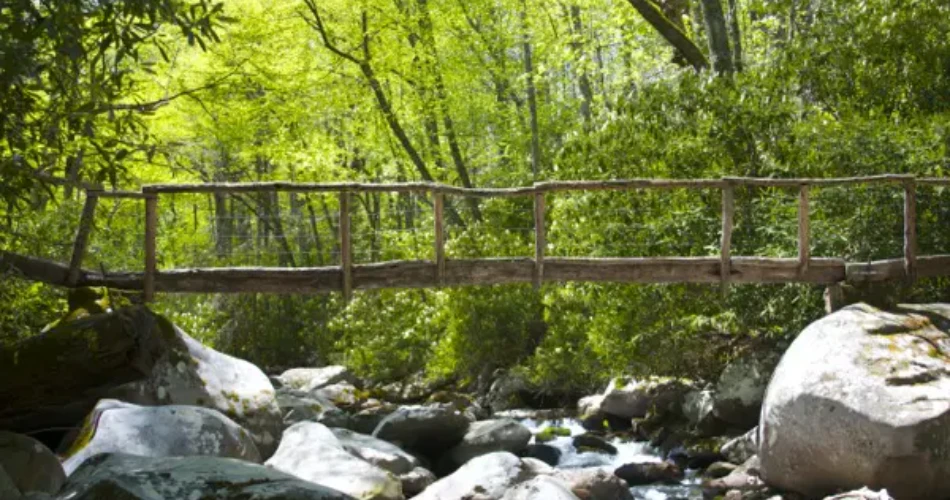
Porters Creek Trail is one of the more compelling options for travelers who want a longer, quieter walk. The National Park Service describes it as a peaceful trail and notes that it is typically less crowded than many other park trails. The route combines natural scenery with historic features, including the Great Smoky Mountains Hiking Club Cabin and the 40-foot Fern Branch Falls.
The trail is approximately six miles round trip if followed to Backcountry Campsite 31, but many hikers turn around after reaching Fern Branch Falls at roughly two miles in. That makes it possible to enjoy a substantial portion of the trail without committing to the entire route.
The surroundings gradually pull visitors farther from the feel of the road. Trees, rocks, stream crossings, and changing elevation become the focus, while the sound of water helps create the slower atmosphere that people often seek when looking for quiet places in Gatlinburg.
It is not an effortless walk. Roots, rocks, stream crossings, footlog bridges, and elevation gain can make sections challenging. Parking is also limited, with space for approximately 20 vehicles at the trailhead, and the National Park Service warns that parking can be limited during peak season.
Greenbrier Picnic Area for an Unhurried Outdoor Meal
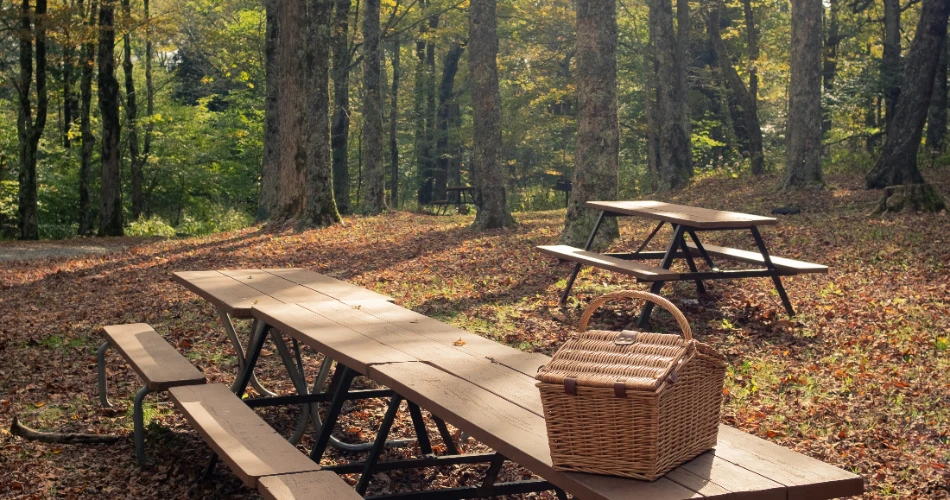
A peaceful trip does not have to involve hiking. Greenbrier Picnic Area provides an opportunity to sit beside the natural landscape and let the surroundings do most of the work. The area contains 12 sites in a secluded environment, with picnic tables, grills, seating, parking, and restroom facilities. It sits at an elevation of about 1,635 feet.
The setting makes it particularly suitable for a slow lunch or late-morning break. Instead of eating quickly between attractions, travelers can bring a simple meal, sit near the trees, and listen to the river and surrounding forest. It is also a useful option for families whose members have different energy levels because some can relax at the picnic site while others take a short walk.
Visitors should keep food and trash secured because black bears live throughout Great Smoky Mountains National Park. The National Park Service specifically advises using bear-proof trash containers and never approaching wildlife. Pets are allowed in picnic areas but must remain leashed and cannot be left unattended.
For a traveler whose idea of peaceful Gatlinburg involves doing less rather than doing more, Greenbrier may be exactly the right choice.
Roaring Fork for a Slow Scenic Drive
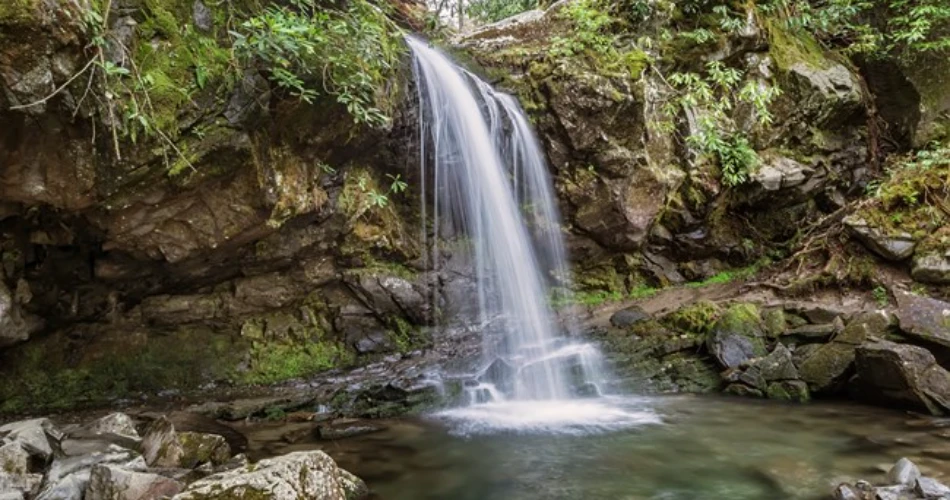
The Elkmont area offers another good setting for travelers who want their Gatlinburg quiet spots to feel more removed from the city. The National Park Service describes the Metcalf Bottoms and Elkmont area as a place of mountain streams, lush forests, peaceful trails, and history. Visitors can walk through areas associated with former communities and see stone chimneys and foundations among the trees.
Little River Trail is especially suitable for a relaxed outing. The route follows an old railroad bed along the Little River and passes remnants of the historic Daisytown community. Its beginning is relatively wide and has little elevation gain, making it easier to settle into a steady walking rhythm.
The entire Little River Trail is much longer than most casual visitors need, extending 12.4 miles round trip. There is no requirement to complete it. A short out-and-back walk can provide the river scenery and forest atmosphere without turning the day into a demanding hike.
Elkmont and Little River for Unhurried Forest Time
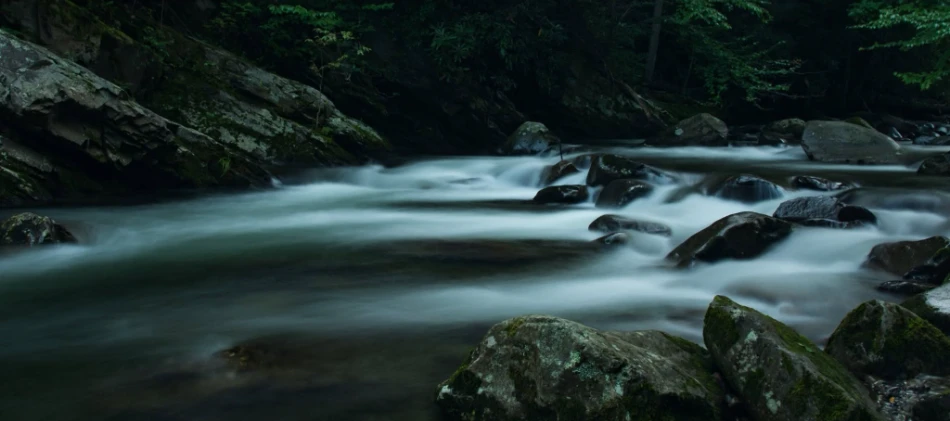
Elkmont is also worth considering for travelers who enjoy history as much as nature. The old foundations and chimneys give the landscape a sense of human history without requiring a museum visit. For someone seeking Smoky Mountains solitude, the combination of flowing water, trees, and historic remains can feel more immersive than simply stopping at a roadside viewpoint. Not every quiet experience in Gatlinburg requires walking. The Roaring Fork Motor Nature Trail provides a way to spend time in the Smokies from behind the wheel while still making frequent stops for scenery and short walks. The one-way route is 5.5 miles long and winds through forest alongside Roaring Fork, one of the area's larger mountain streams. Historic cabins, buildings, forest views, and roadside water features add variety to the drive. The route is particularly appealing to travelers who want a slower day. Instead of following a packed schedule, they can drive gradually, stop at appropriate pull-offs, and spend several minutes listening to the stream or looking through the trees. The National Park Service also identifies the area as one where black bears, white-tailed deer, and turkeys may be seen, although wildlife sightings are never guaranteed. Roaring Fork is not always quiet. Parking demand can exceed capacity, particularly during busy periods, and visitors are expected to park completely off the roadway and avoid marked no-parking areas. The road is also narrow and winding. The trail is seasonal. For 2026, the National Park Service lists the Roaring Fork Motor Nature Trail as open from April 17 through November 29, subject to weather and other closures.
Quiet Walkways and Simple Places to Pause
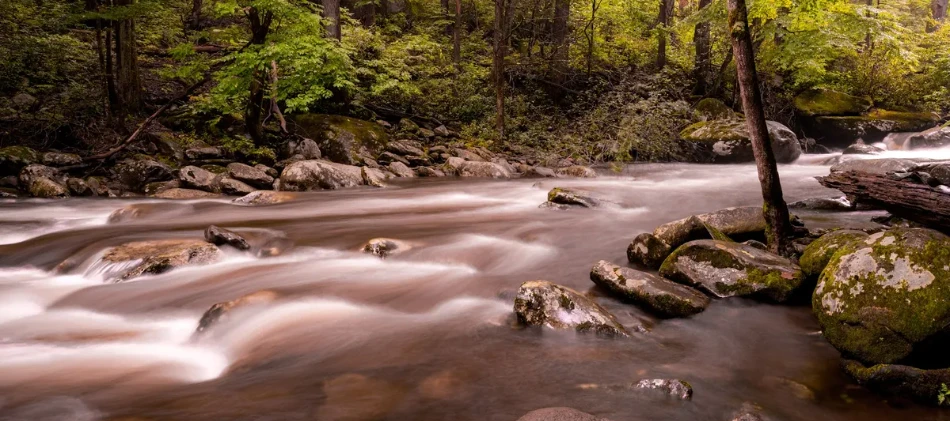
Some of the best answers to where to find peaceful places in Gatlinburg are not major destinations at all. Great Smoky Mountains National Park has designated quiet walkways marked by brown signs along sections of Fighting Creek Gap and Newfound Gap Road. These short routes can be useful for visitors who want to step away from the road for a little while without undertaking a major hike.
This type of stop works well for travelers who have already spent several hours sightseeing. Rather than adding another major attraction to the itinerary, they can choose a short walk, slow down, and pay attention to the forest. The experience is less about reaching a particular landmark and more about creating a few quiet minutes.
Visitors should still approach these areas with normal Smokies precautions. Weather can change quickly, trails can be uneven, and wildlife may appear unexpectedly. Food and trash should never be left unattended, and wildlife should always be given plenty of space.
The quiet walkways also illustrate an important point about visiting Gatlinburg: solitude often comes from changing the pace rather than finding a completely empty location. A short woodland walk early in the day can be more restorative than spending hours searching for a famous viewpoint. Travelers who are flexible with timing can turn ordinary stretches of the park into some of their most memorable Gatlinburg quiet spots.
How to Plan a Quieter Gatlinburg Day
Finding quiet in Gatlinburg is partly about choosing the right place and partly about choosing the right time. The most popular areas naturally receive more visitors during the middle of the day, especially on weekends and during peak travel periods. Starting early is one of the simplest ways to improve the chances of having a slower experience. Late afternoons can also work well, depending on the season and operating conditions.
A relaxed day could begin with a short walk at Sugarlands Valley Nature Trail, followed by time beside the river at Greenbrier. Visitors who prefer more activity could replace the short walk with part of the Gatlinburg Trail or Porters Creek Trail. Another option is to spend the afternoon driving the Roaring Fork Motor Nature Trail, stopping at appropriate locations rather than rushing through the route.
Checking conditions before leaving is important because roads and trails can close temporarily due to weather, construction, maintenance, or other safety concerns. The National Park Service recommends checking current conditions and closures before visiting.
Parking also deserves attention. A valid parking tag is required for vehicles parked in the national park for more than 15 minutes.
The best quiet itinerary is therefore not necessarily the one with the most stops. Choosing one or two natural areas, leaving enough time between them, and resisting the urge to hurry allows Gatlinburg's quieter character to become much easier to notice.
Gatlinburg may be busy, but visitors do not have to spend their entire trip surrounded by crowds. A creekside city park, a shaded forest trail, a picnic beside the river, or a slow drive through the Smokies can completely change the pace of a visit. The key is to move away from the busiest parts of town and give the natural landscape enough time to take over.
For travelers searching for peaceful places in Gatlinburg, the choices range from accessible half-mile walks to longer forest trails. Greenbrier offers river sounds and picnic space, Roaring Fork provides a scenic drive, Elkmont brings together forest and history, and the city's parks make it possible to enjoy some quiet without going far. With an early start, a flexible schedule, and a little patience, finding peaceful Gatlinburg experiences becomes much easier—and often more rewarding than trying to fit every major attraction into one trip.
Next post A Relaxing Day Outdoors in Gatlinburg
Previous Post Beautiful Walking Trails Around Gatlinburg for a Relaxing Day Outdoors
About Author