English

 Home
Home Hotels
  Car Rental
 Rewards
 Travel Guide
What to See Around Gatlinburg Beyond the Main Attractions

Gatlinburg’s busiest attractions are easy to find, but some of the most rewarding experiences begin when travelers leave the Parkway behind. A short drive can lead to a former logging settlement, a quiet stretch of river, or a mountain community where craftspeople still work with clay, wood, and other traditional materials. These places are not necessarily hidden, and many have been enjoyed by generations of visitors. What makes them different is the chance to spend time with the landscape and local history without feeling the need to move quickly from one attraction to the next.
Beyond downtown, the surrounding mountains hold old schoolhouses, preserved cabins, forest roads, and trails that follow the routes once used by logging crews and mountain residents. Some stops are only a few miles from town and fit easily into a relaxed morning. Others are better suited to a half-day outing, particularly for visitors who have already seen the familiar overlooks and want to understand more of the region beyond its postcard views. A walk through Elkmont, for example, reveals traces of a former mountain community, while a quiet afternoon beside the Little River offers a very different experience from the activity of downtown Gatlinburg.
The best Gatlinburg hidden gems are places where the smaller details become part of the memory: a stone chimney standing beside an old railroad grade, water moving over smooth rocks, or an artisan explaining how a piece of pottery takes shape. They also give travelers a reason to slow down and leave room for the unexpected, whether that means spending longer on a woodland trail or stopping at a studio that catches their interest. This guide brings together worthwhile places beyond the main attractions, with practical details, realistic expectations, and flexible ideas for first-time visitors and returning travelers who want to see more of the Smokies at their own pace.

Follow the River to Elkmont’s Old Mountain Community
Elkmont is one of the most rewarding places to visit when the goal is to see something beyond Gatlinburg’s usual attractions. Reached by driving through Great Smoky Mountains National Park and turning toward the Elkmont area from Little River Road, it combines forest scenery with a history that is still visible on the ground. The area began as a settlement, became an important logging center in the early twentieth century, and later developed into a summer retreat for families who came to enjoy the mountains. Today, preserved cabins, old foundations, and former railroad routes tell that story more effectively than a quick roadside stop ever could.

Walk Through Daisy Town and Notice What Remains
Daisy Town is the best place to begin. The preserved cabins sit along a quiet lane beneath tall trees, and their porches, rooflines, and modest scale offer a glimpse of early mountain vacation life. The National Park Service has preserved eighteen cabins associated with the Appalachian Club, while the restored Appalachian Clubhouse and Spence Cabin are available for reserved day use. Visitors can walk through the historic area and observe the buildings from permitted public spaces, but should respect closed structures and any posted restrictions.
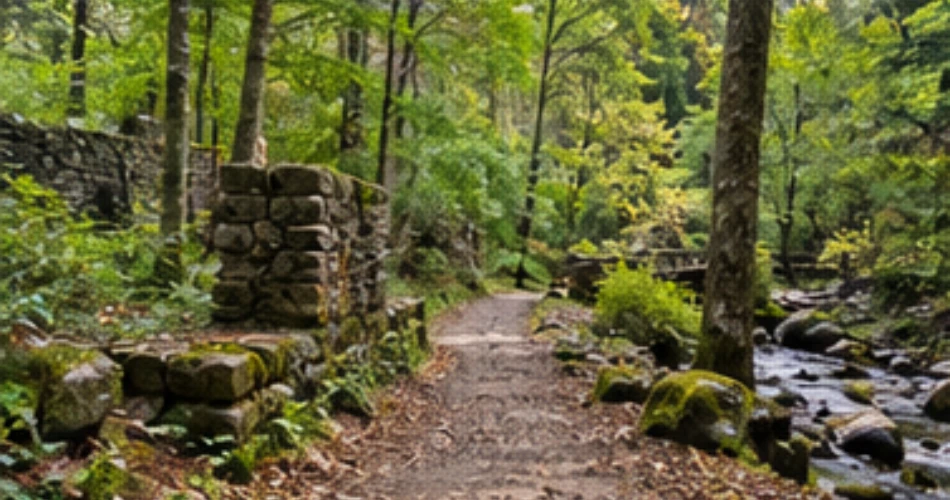
The most interesting part of Daisy Town is the contrast between its former purpose and its present setting. These were not isolated wilderness cabins; they belonged to a community shaped by transportation, leisure, and the changing economy of the Smokies. A slow walk reveals stone steps, old landscaping, and buildings that make the settlement feel more like a neighborhood than a museum. It is worth allowing time to read the interpretive information rather than simply photographing the cabins. The surrounding woods also make the area particularly attractive in spring and autumn, when the trees either soften the old structures with fresh foliage or reveal more of their outlines.

Take an Easy Walk Along the Little River Trail
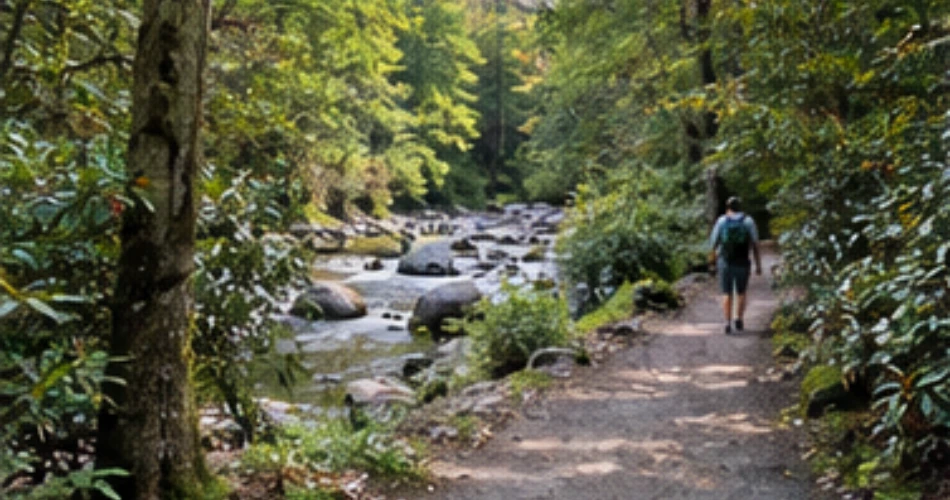
The Little River Trail begins in the Elkmont Historic District and follows a former railroad bed beside the river. Its broad, relatively gentle opening makes it a good choice for visitors who want a woodland walk without committing to a strenuous mountain climb. The first 2.7 miles are comparatively wide and level, although roots, rocks, and occasional steeper sections mean it is not an accessible paved path. The full out-and-back route is 12.4 miles, but most casual visitors can simply walk as far as their time and energy allow before returning.
The river is the main attraction here. Water moves around large rocks, rhododendron grows along the banks, and the forest gradually becomes more absorbing as the trail leaves the historic district behind. Remnants of former cabins and stone chimneys can also be seen near the route. A short walk of thirty to sixty minutes can be satisfying, while a longer outing allows more time for photography and quiet breaks. Proper walking shoes are useful even on the easier opening section, and hikers should avoid climbing on unstable historic remains. Since the trail is inside the national park, pets are not permitted, and a parking tag is required for vehicles parked longer than fifteen minutes.
Spend a Slower Afternoon at Metcalf Bottoms
Metcalf Bottoms is a useful reminder that a memorable mountain outing does not always require a summit, waterfall, or long hike. Located along the Little River between Gatlinburg and Townsend, this picnic area offers riverside tables, grills, restrooms, and access to nearby historic trails. It is a particularly good stop for families, travelers who prefer gentle activities, or anyone looking for a break from the more crowded parts of the park. The area is partially open year-round, although individual loops and facilities have seasonal schedules.
A picnic here works best when it is treated as the main activity rather than a hurried lunch stop. The river runs close to many of the sites, and the surrounding trees provide a pleasant setting for sitting with a packed meal or spending time beside the water. Visitors should keep food secured, use the available waste facilities, and avoid feeding wildlife. Swimming in park streams is not recommended because of hazards including strong currents, slippery rocks, and submerged obstacles.

Walk to the Little Greenbrier Schoolhouse
For visitors who want to add a little history, the trail from Metcalf Bottoms to the Little Greenbrier Schoolhouse is an excellent option. The schoolhouse is approximately half a mile uphill from the picnic area, making the return walk about one mile. The route is short but not completely flat, so comfortable shoes and a little extra time are sensible. The building served the mountain community as both a school and a church, and it remains one of the most accessible ways to understand everyday life before the national park was established.
The experience is more meaningful when visitors imagine the practical realities behind the building: children walking to school, neighbors gathering for worship, and families living in a landscape that required considerable self-sufficiency. Those interested in a longer walk can continue approximately one additional mile along Little Brier Gap Trail to the Walker Sisters’ homestead. The sisters became known for maintaining their traditional mountain lifestyle after the park’s establishment, and their surviving home provides another important link to the region’s past. The longer route should be treated as a proper hike rather than an extension of a casual picnic stroll.

Take the East Parkway Toward Greenbrier
Greenbrier offers a different kind of Smoky Mountains experience from the high-elevation overlooks most first-time visitors seek out. Located east of Gatlinburg, the area is known for streams, forested valleys, historic sites, and trail access. It is especially appealing to travelers who enjoy spending time beside water or walking through woodland without needing a panoramic viewpoint at the end. The Greenbrier picnic area is open year-round, but road and trail conditions can change, so current National Park Service information should be checked before setting out.
The drive itself is part of the outing. As the route leaves the commercial areas behind, the landscape becomes more wooded and the sound of the Little Pigeon River begins to dominate. Rather than trying to reach every trailhead, visitors can choose a suitable stopping point, spend time beside the stream, and enjoy the quieter atmosphere. Greenbrier is not a place where every road is paved or every destination has extensive facilities, so a park map and realistic expectations are useful.

Walk a Short Section of Porters Creek Trail
Porters Creek Trail is one of Greenbrier’s best-known hiking routes, particularly during spring wildflower season. The trail follows an old road into the forest, passing historic remains before continuing toward more demanding terrain. For a relaxed visit, there is no need to complete the entire route. A short out-and-back walk provides an opportunity to see the stream, old stonework, and the changing forest without turning the day into a strenuous hike.
The trail is especially interesting because it combines natural scenery with evidence of the people who once lived in the area. Visitors may encounter old walls, cemetery sites, and other historic features along the route. These places should be treated with care, with no climbing on structures or disturbing graves. Spring can bring a variety of wildflowers, but flowering times depend on weather and elevation, and no particular display can be guaranteed. The trail surface may be muddy or uneven after rain, and hikers should check current conditions before choosing a turnaround point. Greenbrier also provides access to longer hikes, but those require more preparation than a casual sightseeing day.
Spend Time in the Gatlinburg Arts and Crafts Community
The Gatlinburg Arts and Crafts Community is one of the best things to do beyond Gatlinburg’s central attractions because it offers a genuine connection to the region’s working creative traditions. The community is arranged along an approximately eight-mile loop in the Glades area, with studios and shops featuring pottery, woodcarving, painting, weaving, leatherwork, jewelry, and other handmade goods. Its roots date to 1937, when local artisans began moving from downtown studios to the Glades, where they could work closer to home and welcome visitors directly into their creative spaces.
The most enjoyable approach is to choose a handful of studios rather than attempting to visit every shop. A pottery workshop might offer the chance to watch clay being shaped on a wheel, while a woodworker may explain the grain or construction of a finished piece. These encounters give handmade objects a context that is difficult to find in a conventional souvenir store. Some studios offer demonstrations or classes, but schedules vary and should be confirmed in advance.
The loop is also a pleasant place to browse without feeling obligated to buy anything. Travelers interested in traditional Appalachian crafts can look for woven baskets, quilts, musical instruments, and carved wooden pieces, while those with more contemporary tastes will find a wide range of paintings and mixed-media work. Individual shops have their own opening hours, and not every studio will be open on every day. Allowing at least two or three hours makes the visit more relaxed, especially when conversations with artisans or a casual meal become part of the afternoon.

Make Room for a Few Smaller Outdoor Activities
Not every quieter outing needs to become a full-day excursion. Some of the most useful quiet places near Gatlinburg are short walks and modest roadside stops that fit naturally between meals, longer drives, or changing weather. These activities are particularly valuable for visitors traveling with children, older relatives, or anyone who prefers to keep the day flexible. The key is to choose places that match the group’s energy rather than adding more stops simply because they appear on a map.

Walk the Gatlinburg Trail
The Gatlinburg Trail provides an easy transition from town into the national park. Beginning near the Sugarlands area and connecting toward Gatlinburg, it follows the West Prong of the Little Pigeon River through a wooded corridor. It is one of only two trails in the park where leashed pets are permitted, and bicycles are also allowed. That makes it a practical option for travelers who cannot use most of the park’s hiking trails with their dogs.
A visitor does not need to walk the entire trail to enjoy it. A short section offers river views, mature trees, and a noticeably different atmosphere from the downtown streets. The trail is relatively gentle, but it is not entirely paved, and conditions can vary after rain. Walkers should share the path courteously with cyclists, keep pets on a leash no longer than six feet, and carry water during warmer months. It is a good choice for a quiet morning or an easy walk before dinner, especially when there is not enough time for a longer mountain hike.

Sit Beside the River at a Designated Picnic Area
A riverside picnic can be one of the simplest ways to enjoy the Smokies. Greenbrier and Metcalf Bottoms are both useful options, while other picnic areas may be convenient depending on the day’s route and seasonal openings. The experience is best kept uncomplicated: a packed lunch, a suitable table, and time to listen to the water rather than rushing toward the next attraction. Visitors should use designated picnic facilities, follow posted rules, and avoid leaving food unattended.
The setting changes noticeably through the seasons. Spring brings fresh foliage and flowing streams, summer offers deep shade, autumn adds color to the riverbanks, and winter can reveal the structure of the forest through bare branches. Even in warmer weather, mountain water can be cold and currents can be stronger than they appear. A picnic is therefore a better plan than treating an unfamiliar stream as a swimming hole. Travelers who bring a camera will often find that the smaller details—water moving around stones, reflections beneath a bridge, or sunlight through leaves—make more memorable photographs than another crowded overlook.

Take a Scenic Drive Without Chasing Every Overlook
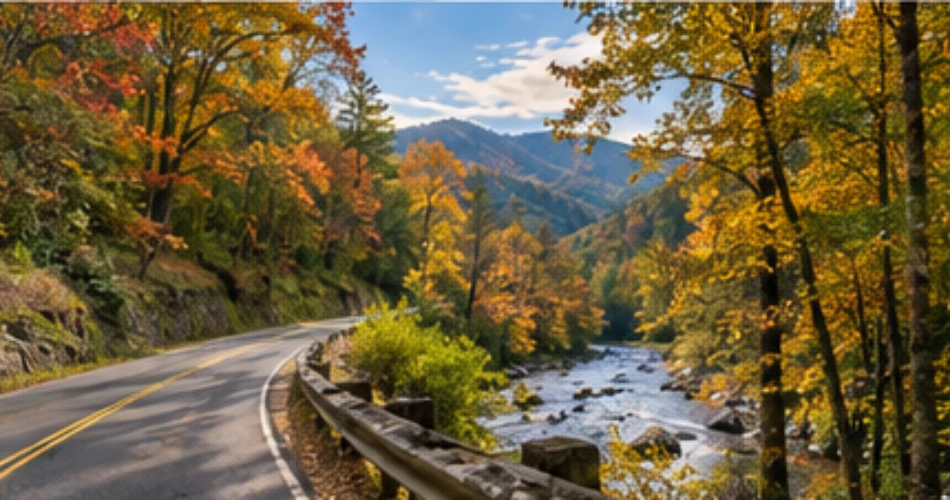
Smoky Mountains scenic drives are often described in terms of famous viewpoints, but some of the most enjoyable routes are the ones that encourage travelers to pay attention to the landscape between stops. Little River Road is particularly well suited to this approach. Running through the park between the Sugarlands area and Townsend, it follows the river for much of the journey and connects several worthwhile destinations, including Elkmont and Metcalf Bottoms. The road remains open year-round, weather permitting, although temporary closures can occur.
A good drive might begin with a morning walk at Elkmont, continue beside the Little River, and finish with a picnic or a short historic trail at Metcalf Bottoms. There is no need to add Cades Cove or another major destination unless the group has enough time and interest. Mountain roads can be slower than their mileage suggests, and stopping frequently can turn a short drive into a substantial outing.
Travelers should use designated pullouts rather than stopping in the roadway for photographs. Wildlife sightings are possible, but they should never be treated as a guaranteed part of the trip or a reason to block traffic. The most rewarding moments may be ordinary ones: a bend where the river comes close to the road, a stretch of forest with changing light, or a quiet bridge above a rocky stream. These details are what make the drive feel like part of the vacation rather than merely transportation.
Plan a Quieter Gatlinburg Day That Actually Works
A successful itinerary for Gatlinburg hidden gems depends more on choosing compatible stops than on covering a large area. The quieter destinations are spread across different parts of the region, and mountain travel takes longer than a simple mileage estimate may suggest. A traveler who wants to visit Elkmont, Greenbrier, the Arts and Crafts Community, and Metcalf Bottoms in one day would spend too much time moving between places. It is better to group nearby destinations and leave enough time to enjoy them.
A practical plan could follow one of these combinations:
- Elkmont Historic District, a short Little River Trail walk, and a picnic at Metcalf Bottoms.
- Greenbrier, a manageable section of Porters Creek Trail, and an afternoon in the Arts and Crafts Community.
- A gentle Gatlinburg Trail walk, a relaxed downtown meal, and a scenic drive along Little River Road.
Before entering Great Smoky Mountains National Park, visitors should check current road and trail conditions, download or carry a park map, and confirm any seasonal facility schedules. The park does not charge an entrance fee, but vehicles parked for longer than fifteen minutes require a parking tag. Current rates are $5 daily, $15 weekly, and $40 annually, and the tag must be displayed in the vehicle.
Comfortable footwear, drinking water, a light rain layer, and a charged phone are useful even for shorter outings. Cell service can be unreliable in parts of the park, so navigation should not depend entirely on a live connection. Visitors should also remember that most park trails do not permit pets, and that weather in the mountains can change quickly.

The Gatlinburg Places That Stay With Travelers
The quieter side of Gatlinburg is not about avoiding every popular attraction or searching for places that nobody else knows. It is about making room for experiences that reveal more of the mountains and the communities connected to them. Elkmont preserves the story of a former logging and vacation settlement. Metcalf Bottoms offers the simple pleasure of spending time beside the Little River. Greenbrier brings visitors into a forested valley where history and nature share the same trails, while the Arts and Crafts Community shows how regional traditions continue through the work of contemporary artisans.
These places also give returning travelers a reason to see Gatlinburg differently. A second or third visit does not need to repeat the same attractions in the same order. A morning on an old railroad grade, an afternoon watching a potter at work, or a slow drive beside the river can provide a richer sense of the destination than a tightly scheduled day of ticketed stops. For first-time visitors, the same experiences offer a useful balance to downtown sightseeing.
The most satisfying plan is to choose two or three places that genuinely interest the group, check the practical details, and allow the day to develop naturally. Gatlinburg’s surrounding landscape rewards that approach. The mountains are close enough for an easy outing, but varied enough that a little extra time can reveal an entirely different side of the region.
Next post Gatlinburg Is Better When You Don’t Try to See It All
Previous Post A Simple Sightseeing Day in Gatlinburg
About Author