English

 Home
Home Hotels
  Car Rental
 Rewards
 Travel Guide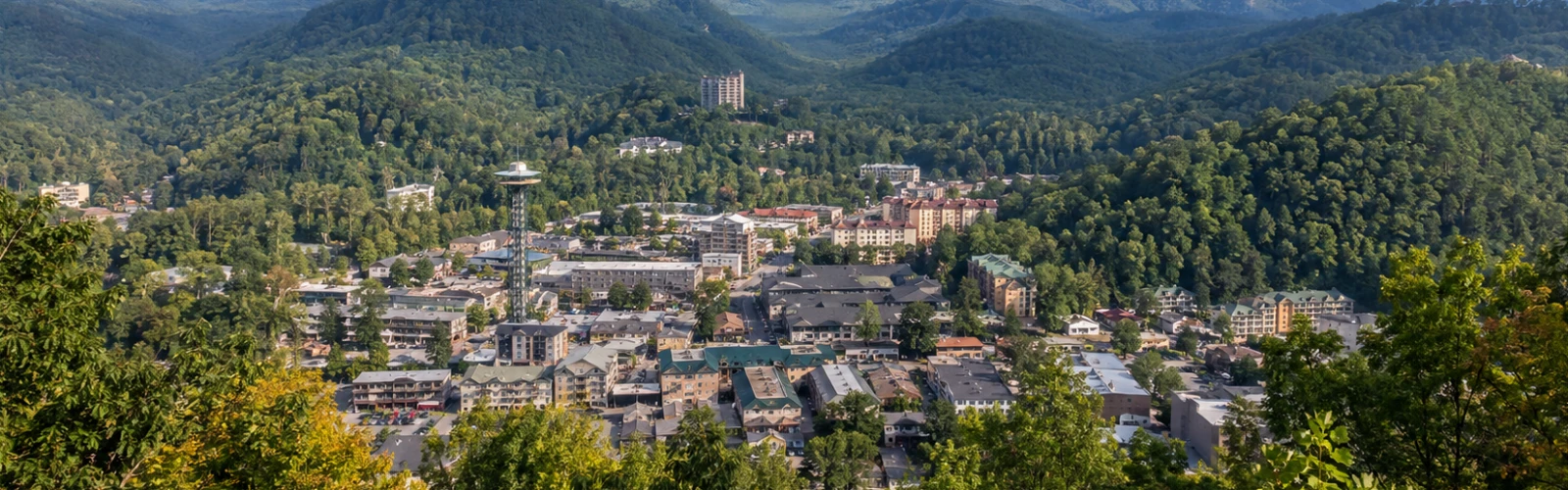
Gatlinburg Is Better When You Don’t Try to See It All

Gatlinburg can make a visitor feel behind schedule before breakfast is finished. The Parkway is full of restaurants, shops, and attractions promising the best view in town. Beyond town, the roads lead into Great Smoky Mountains National Park, where an entirely different day is waiting. Trying to fit both worlds into every waking hour usually means spending more time checking the clock than enjoying either.
A better Gatlinburg itinerary starts with a few decisions. One part of the day can belong to downtown, another to the mountains, and the rest can remain open for whatever catches the eye. A family might linger beside a creek, while returning visitors might spend an afternoon watching a potter work. None of those choices makes the trip incomplete.
This guide takes that approach to Gatlinburg sightseeing, with worthwhile places, realistic travel details, and enough alternatives to suit different interests. The aim is not to see less for the sake of it, but to give the places that matter enough time to be remembered. The best schedule leaves room for an unexpected stop without making the rest of the day feel late.
Give Downtown a Morning Instead of a Checklist
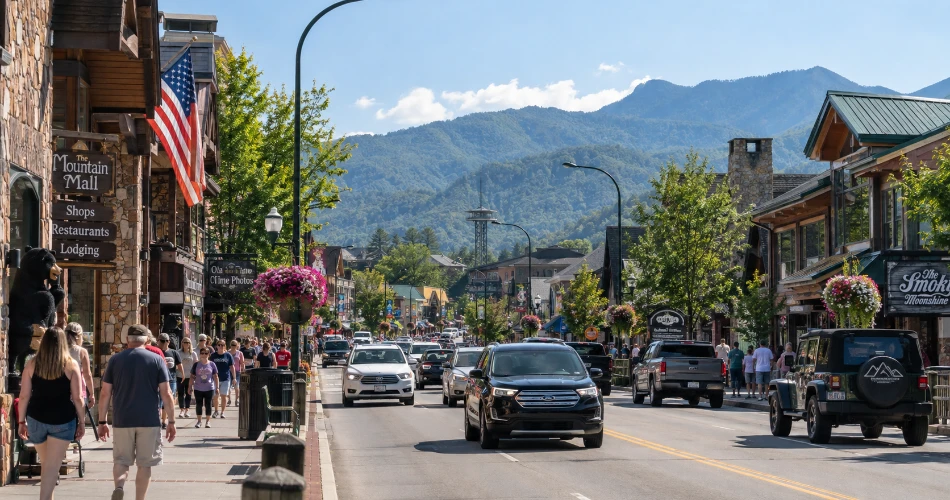
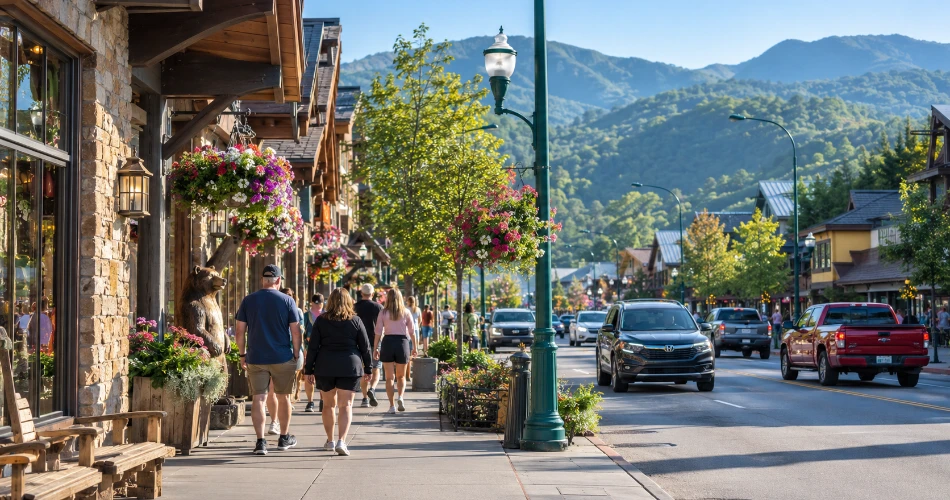
The best way to get acquainted with downtown Gatlinburg is to leave the car parked and walk the central Parkway. Its sidewalks connect restaurants, candy shops, and galleries beneath forested ridges. A useful starting point is to choose a breakfast stop, walk a few blocks, and see where the morning goes.
The The Village Shops, just off the Parkway at 634 Parkway, is worth a detour for its brick walkways and collection of specialty stores. Built in 1969, the shopping area has a European-inspired design that gives it a different feel from the main road. It is a good place to browse, especially during a quiet morning.
For a change of scene, River Road provides access to the Little Pigeon River and quieter pedestrian stretches. The water runs over rocks beneath trees, while the town remains close enough for an easy return to lunch. This short detour makes a useful break from downtown.
The important decision is what not to add. A casual meal, a little shopping, and time beside the river can fill a satisfying morning without turning every storefront into another stop on a list.
Choose One Paid Attraction and Enjoy It Properly
Gatlinburg has several ways to get above the rooftops, but buying tickets for all of them is rarely necessary on a short visit. Choosing one leaves more money and time for the rest of the trip.
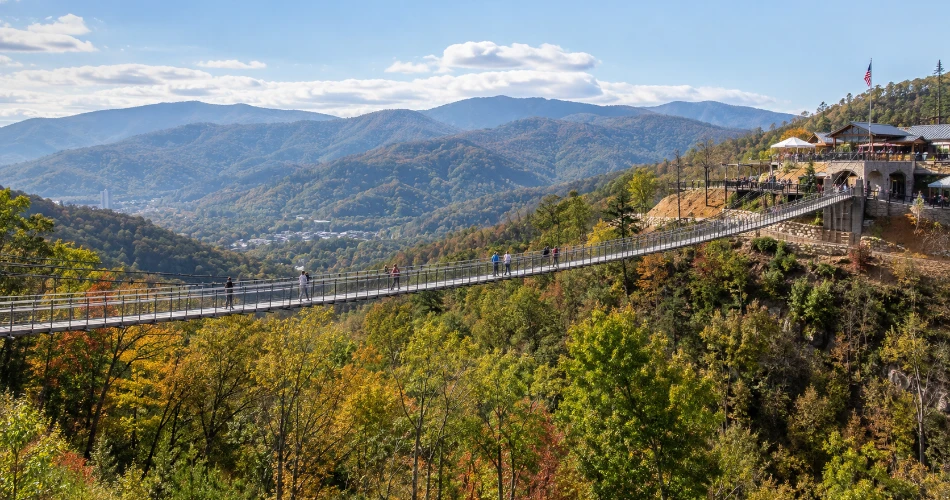
Gatlinburg SkyPark is the straightforward choice for visitors who want a chairlift ride and a dramatic view. The yellow SkyLift climbs to Crockett Summit, where the SkyBridge stretches almost 700 feet across a valley. Its glass-floor sections are memorable, but visitors can cross at their own pace. The viewing areas and trail system give visitors other ways to spend time on the mountain. Anyone uncomfortable with heights should consider the bridge and open-air lift before buying tickets.
Anakeesta suits travelers who want a longer mountaintop visit. Access is provided by the Crystal Express gondola or Ridge Rambler, and general admission includes places such as Vista Gardens, AnaVista Tower, and the Treetop Skywalk. Additional activities may cost extra. Visitors can allow time for the gardens, views, and a meal.
For a rainy afternoon, Ripley's Aquarium of the Smokies is a different kind of choice. Shark Lagoon has a moving glidepath through an underwater habitat, while Penguin Playhouse houses African penguins. It makes more sense to enjoy one of these attractions properly than to treat all three as boxes to tick. On a short trip, the extra time is better spent on an experience the group actually enjoys.
Let the National Park Set the Pace
Great Smoky Mountains National Park begins just beyond Gatlinburg’s southern edge, but its attractions are spread across a large mountain landscape. A forest walk, a historic road, and a high-elevation viewpoint are different outings, not necessarily one afternoon.
The park has no entrance fee, although vehicles parked for longer than 15 minutes generally need a parking tag. Current rates are $5 daily, $15 weekly, and $40 annually. A physical tag must be displayed, but it does not guarantee parking. It is worth arranging the tag before setting out, particularly for routes without sales facilities. National Park Service alerts should also be checked for weather-related and seasonal closures.
The following options offer three ways to spend time in the Smokies. Sugarlands works well for a gentle introduction, Roaring Fork gives drivers a close look at the forest and historic homesteads, and Newfound Gap leads toward the park’s highest country. Each deserves its own unhurried block of time, with enough daylight to return comfortably. Travelers with half a day should choose according to weather, daylight, and the group’s appetite for walking.
Sugarlands Visitor Center and Cataract Falls
Sugarlands Visitor Center is about two miles south of Gatlinburg on Newfound Gap Road, making it an easy first stop for visitors entering the park. Inside are natural history exhibits, maps, a bookstore, and staff who can answer questions about current conditions. It is a sensible place to confirm a trail choice.
Cataract Falls is a particularly manageable outing from the visitor center. The walk is approximately 0.7 mile roundtrip through woodland beside Fighting Creek. A footbridge and tree-identification markers add interest along the way. The waterfall itself is about 40 feet high and is most impressive after substantial rain. It is a modest forest waterfall, not a huge cascade.
Visitors who prefer a more accessible option can choose the half-mile paved Sugarlands Valley Nature Trail. The loop offers an opportunity to experience the forest without committing to a longer hike. Either walk pairs well with time at the visitor center and a relaxed return to town, particularly after a busy morning. Rocks and wet ground around waterfalls can be slippery, so the safest photographs are taken from the established viewing area.

Roaring Fork Motor Nature Trail
Roaring Fork Motor Nature Trail is a good choice for travelers who want the forest to be the main attraction without spending the day on a demanding hike. The 5.5-mile, one-way road winds past streams, old-growth forest, and historic mountain buildings. The narrow road is best treated as a slow tour.
The route is reached from Gatlinburg via Historic Nature Trail Road and Cherokee Orchard Road. Before entering, the Noah “Bud” Ogle area offers a historic farmstead and woodland walks. Along the drive, places such as the Jim Bales homesite reveal how families once lived in this mountain landscape. The Place of a Thousand Drips appears near the end, where water runs down a rock face beside the road.
Grotto Falls is another possible outing from the Trillium Gap Trailhead, but it adds a separate hike and should not be treated as a quick roadside stop. A gentler day can focus on the road and historic sites.
Roaring Fork closes for part of the year, and buses, trailers, and motor homes are not permitted. Parking is limited, so drivers should use designated spaces and have an alternative plan if an area is full.

Newfound Gap and Kuwohi
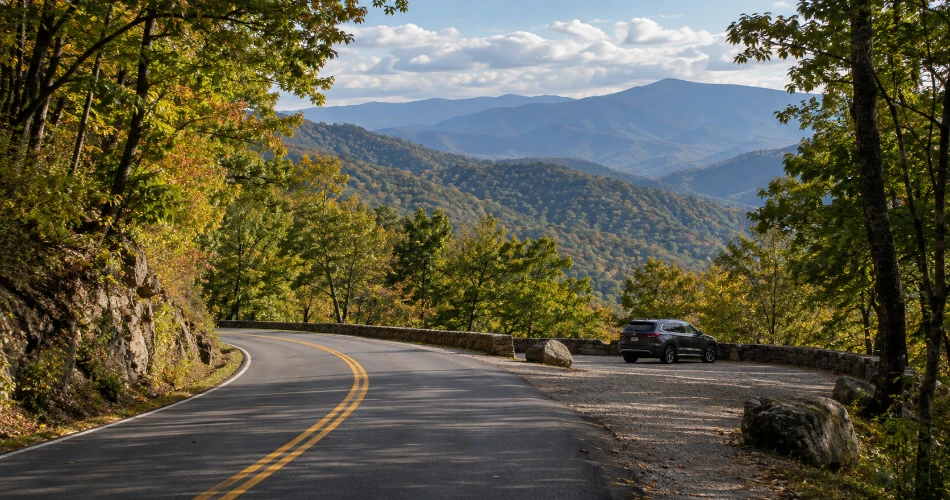
Among Gatlinburg scenic drives, Newfound Gap Road offers a very different impression of the Smokies. The road climbs from the lower forest near Gatlinburg toward the Tennessee–North Carolina state line, passing through changing vegetation and several scenic pullouts. The journey is part of the experience as clouds move across the ridges.
Newfound Gap itself sits at an elevation of 5,046 feet. The overlook offers broad views, and the Appalachian Trail crosses the road nearby. It is a good place to assess whether the weather justifies continuing higher. Mountain visibility can change quickly.
When Kuwohi Road is open, visitors can continue toward Kuwohi, formerly known as Clingmans Dome. At 6,643 feet, it is the highest point in Tennessee. The paved half-mile trail to the observation tower is short but steep, and the climb can feel demanding at that elevation. Benches provide places to rest, while the tower offers panoramic views when conditions cooperate.
This is a better choice for a dedicated mountain outing than an addition to an already crowded afternoon. Kuwohi Road has a winter closure and can close temporarily for weather or other reasons. The current park alerts should always take precedence over a saved itinerary.

Spend an Afternoon Around the Craft Studios
The Great Smoky Arts & Crafts Community is an excellent alternative to another afternoon of ticketed attractions. Located in the Glades area east of downtown, the community follows an approximately eight-mile loop of studios, galleries, and shops. Its roots go back to 1937, when local artisans began moving their work from downtown to home studios in the Glades.
The pleasure comes from giving a few places attention. A pottery studio might have bowls and mugs on display, while another workshop specializes in woodcarving, painting, leatherwork, or quilts. Some artisans demonstrate their techniques or explain how a piece was made. A conversation with a craftsperson can reveal more than a quick browse.
The loop is spread out, so a car is useful for visiting several stops. A seasonal trolley route also serves the community, but visitors should check the operating schedule before relying on it. Studio hours vary.
A relaxed lunch can fit naturally into this outing. Travelers can choose a café or restaurant along the route and browse afterward. Smoky Mountain art, handmade goods, and an unhurried meal provide a different sense of the region from downtown’s busier attractions. It is also an outing that rewards returning visitors looking for something different.

Keep the Plan Simple Enough to Change
A slower trip still benefits from a little preparation. The difference is that the plan protects time rather than filling every available hour. Choose one main outing, one optional stop, and a place to eat. Everything else can remain flexible.
For first-time visitors, a useful Gatlinburg itinerary might begin with breakfast and a downtown walk, continue with one mountain attraction, and leave another day for the national park. A one-day visit can substitute a short Sugarlands walk for a longer park outing. Returning visitors may prefer to spend a whole morning on a trail or in the Arts & Crafts Community instead of repeating familiar attractions.
A few Gatlinburg travel tips make that flexibility easier:
- Check park road and trail alerts before leaving, especially in winter or after heavy rain.
- Purchase the required parking tag before entering areas where it may not be sold.
- Keep comfortable walking shoes, water, and a light layer available, even when the plan is mostly sightseeing.
- Confirm attraction hours and ticket inclusions, and allow extra time for queues, traffic, and parking.
The free Gatlinburg trolley can help reduce downtown driving, with routes and operating hours varying by season. It is useful for downtown stops, but not a substitute for a car on most park outings. A little advance planning can prevent the small logistical problems that otherwise consume the day. The remainder of the schedule can then change without feeling like a failed plan.

The Best Part Is Having Time Left Over
The final hours of a Gatlinburg visit do not need another major attraction. After a day in the forest, an easy dinner and a walk along the Parkway can be more appealing than another queue. Storefront lights come on as the mountains darken beyond the buildings. A bench beside the river or a familiar dessert stop can be enough to finish the evening.
For travelers with more than one day, the same approach works even better. One day can focus on town, another on the national park, and a third on the Arts & Crafts Community or a longer scenic drive. The schedule can change with the weather: a rainy morning may suit an indoor attraction, while a clear afternoon may be worth saving for a mountain viewpoint. A high-elevation drive need not be forced when clouds settle over the ridges.
The best things to do in Gatlinburg are not necessarily the ones that fit into the fullest itinerary. A short walk that turns into an hour beside a creek, a conversation in a craft studio, or a quiet mountain view can become the part of the trip that lasts longest in memory. Visitors who leave room for those moments are likely to return with a better understanding of the town—and plenty of reasons to come back.
Next post What a Few Days in Gatlinburg Can Look Like
Previous Post What to See Around Gatlinburg Beyond the Main Attractions
About Author