English

 Home
Home Hotels
  Car Rental
 Rewards
 Travel Guide
A Relaxing Day Outdoors in Gatlinburg

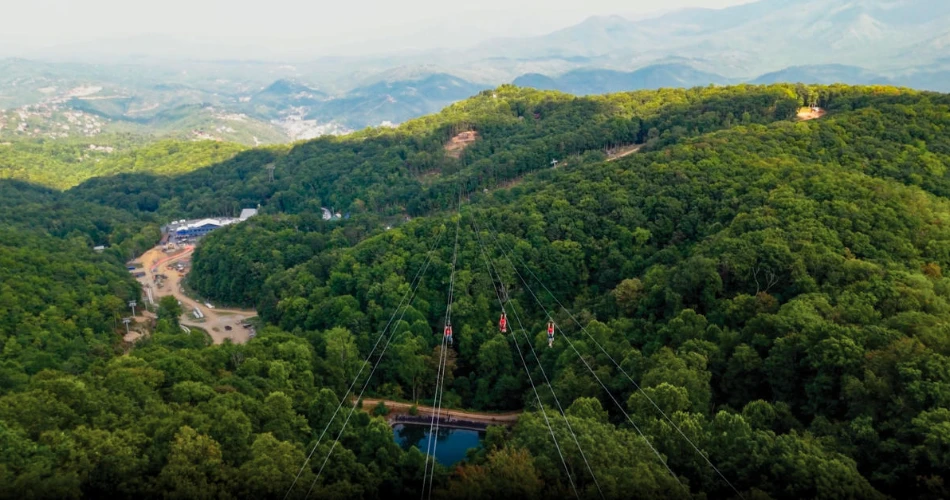
A relaxing day outdoors in Gatlinburg does not have to involve a packed schedule, a difficult mountain hike, or a long list of attractions. Some of the best experiences come from keeping things simple: walking beside the river in the morning, spending a little time on an easy trail, finding a quiet place for lunch, and watching the mountains change as the afternoon fades. Gatlinburg makes this particularly easy because the town sits directly beside Great Smoky Mountains National Park, while several parks and walking areas remain close to downtown.
For travelers who want fresh air without turning the day into an endurance challenge, there are plenty of choices. The Gatlinburg River Walk provides an easy way to enjoy the Little Pigeon River, while the Gatlinburg Trail offers a relatively flat route through the forest. City parks provide another option when a traveler wants shade, picnic tables, or a short break without driving deep into the mountains.
The key is to leave enough room in the schedule to stop. A stream deserves a few quiet minutes. A mountain overlook is better when nobody is rushing away from it. Even a simple bench beside the water can become one of the most memorable parts of the day.
Begin the Morning With a Slow Walk Along the River
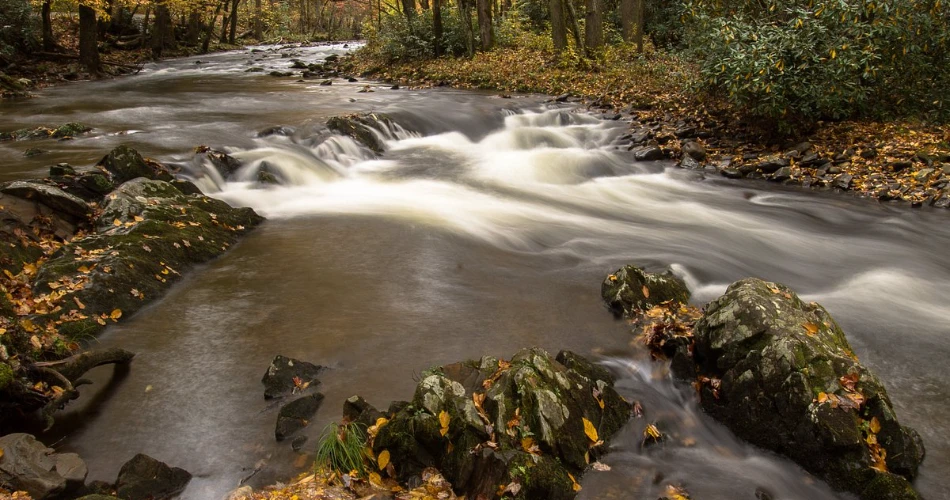
A peaceful morning in Gatlinburg can start right in town, without immediately getting behind the wheel and heading into the national park. The Gatlinburg River Walk is particularly suited to this kind of morning because it follows the Little Pigeon River and provides benches and gazebos where visitors can pause along the way. The sound of moving water gives the walk a calmer feel than the busy Parkway, making it an easy place to begin a day outdoors.
The walk is best enjoyed without treating it like a route that needs to be completed as quickly as possible. Travelers can stroll for a while, stop beside the water, take photographs, and then continue when they feel like it. Morning temperatures are generally more comfortable during warmer months, and the softer light can also make the river and surrounding greenery especially pleasant for photography.
The River Walk also works well for travelers with different energy levels. Someone who wants only a short outdoor break can walk part of it, while someone looking for a longer stroll can continue farther through the area. It is also a convenient choice for visitors who do not want to spend the first part of their day navigating mountain roads.
After the walk, breakfast or coffee nearby can naturally lead into the next part of the day. Rather than filling every hour with attractions, leaving a little unplanned time keeps the entire outing relaxed. That slower rhythm is what makes a relaxing day outdoors in Gatlinburg feel different from a conventional sightseeing itinerary.
Take an Easy Forest Walk in Great Smoky Mountains National Park
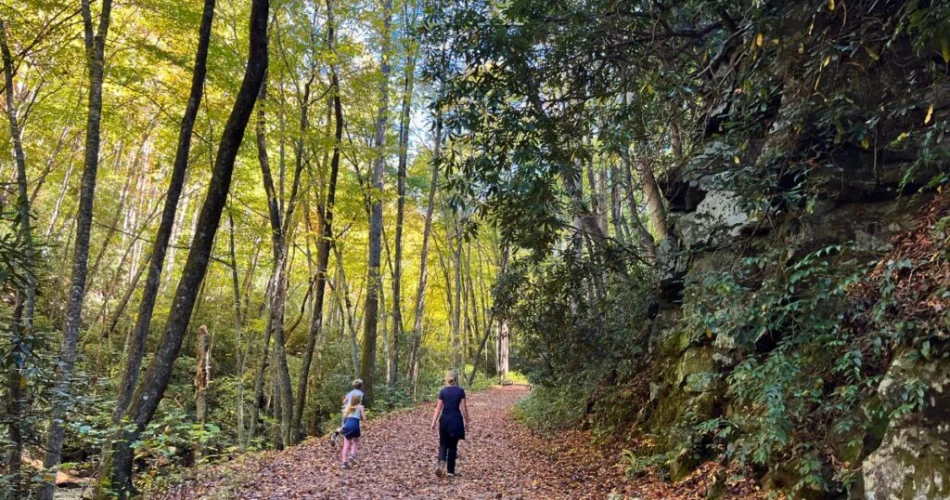
After a morning by the river, the next step can be a gentle introduction to the forest. Great Smoky Mountains National Park has more than 800 miles of hiking trails, so there is no need to choose a demanding route simply to experience the landscape. The National Park Service recommends checking trail conditions before setting out because weather, erosion, fallen trees, and swollen streams can affect conditions even when a trail appears short or manageable.
One of the most suitable options for a slower day is the Gatlinburg Trail. The route runs 1.9 miles one way between the Sugarlands Visitor Center area and the outskirts of Gatlinburg. It follows the West Prong of the Little Pigeon River through the forest and is considered an easy trail, with relatively little elevation change compared with many Smokies hikes.
The character of the trail is more important than checking it off a list. There are river views, forest scenery, a pedestrian footbridge, and remnants of historic homesites along the route. The setting gives visitors a chance to notice smaller details such as tree textures, changing light, birds, and the movement of the water.
Travelers should remember that a parking tag is required when parking in the national park for more than 15 minutes. Comfortable footwear, water, and a small snack are sensible additions even for an easy walk. The goal is not to finish quickly. A leisurely pace leaves more room to appreciate the forest and keeps the morning from becoming tiring before lunch.
Spend Time Around Sugarlands Visitor Center
Sugarlands Visitor Center is a practical stopping point for travelers who want information before heading farther into the park. It is close to Gatlinburg and provides access to several nearby trails and attractions, making it useful for a day when plans are intentionally flexible. The National Park Service also uses the area as the starting point for suggested combinations of short walks, waterfalls, scenic drives, and picnic stops.
One nearby option is the Fighting Creek Nature Trail, which passes through forest and crosses a creek before continuing toward a waterfall and historic features. The National Park Service describes a longer loop option that takes visitors toward the John Ownby cabin before returning to the footbridge. The shorter outing can take roughly 30 minutes to an hour, depending on pace and stops.
This makes Sugarlands useful for travelers who are not interested in committing to a long hike. A person can look at the available information, choose a manageable walk, and still have plenty of time left for the rest of the day. That flexibility is valuable when the goal is relaxation rather than completing a demanding itinerary.
It is also worth treating the visitor center area as more than a place to quickly collect directions. Conditions in the Smokies can change, and road or trail information may affect the day's plan. Checking current information before leaving is a simple habit that can prevent unnecessary detours. For a peaceful outdoor day, knowing the route is open and suitable for current conditions makes the experience much easier.
Follow the Gatlinburg Trail Beside the River
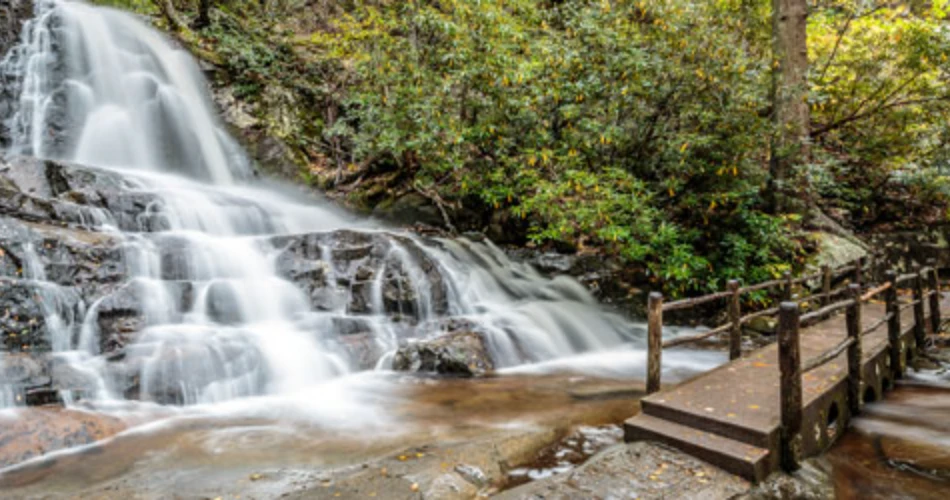
The Gatlinburg Trail is one of the strongest choices for travelers who want forest scenery without a strenuous climb. Its relatively flat character makes it approachable for a wide range of visitors, while the river keeps the scenery changing throughout the walk. The route passes through wooded areas and includes a pedestrian bridge, with historic foundations and chimneys offering reminders of the people who once lived in these mountain communities.
It is also unusual among trails in the park because bicycles and leashed pets are permitted there. The National Park Service identifies the Gatlinburg Trail and Oconaluftee River Trail as the park's two trails where pets and bicycles are allowed, while they are prohibited on other park trails.
For a relaxed visit, travelers do not need to walk the entire route. A shorter out-and-back walk can provide the same forest-and-river atmosphere without taking up most of the day. Families may appreciate the relatively gentle terrain, while couples or solo travelers can use the riverbank as a quiet place to pause.
The trail is also close enough to Gatlinburg to fit naturally into a half-day plan. Visitors can spend time outdoors in the morning, return toward town for lunch, and still have several hours available. That balance is one reason the Gatlinburg Trail works so well when the purpose of the trip is simply to slow down and enjoy the Smoky Mountains rather than chase one major attraction after another.
Take a Scenic Drive Through Roaring Fork

For travelers who want mountain scenery but would rather mix driving with short stops, the Roaring Fork Motor Nature Trail offers a different kind of outdoor experience. The route is a 5.5-mile, one-way road through forested mountain scenery, with opportunities to see streams, historic buildings, old cabins, and other reminders of the area's past. The National Park Service notes that the road is narrow and winding, so the drive itself is part of the experience rather than simply a way to reach another destination.
Roaring Fork is particularly appealing during a slow afternoon because travelers can pull into appropriate stopping areas, stretch their legs, take photographs, and continue when ready. The rushing water of Roaring Fork becomes especially impressive after heavy rain, although wet conditions can also make mountain roads and trails more challenging.
There are several points of interest along the route. The Place of a Thousand Drips can be seen from the road, while the Trillium Gap Trail provides access to Grotto Falls for visitors who want a longer hike. The National Park Service notes that parking at the Grotto Falls trailhead is limited, so it is important not to assume a parking space will be available.
Road status should always be checked before making Roaring Fork the centerpiece of the day because the route has seasonal closures. Travelers should also purchase the required parking tag before entering areas where parking requires one, as tags cannot be purchased at the Roaring Fork area itself.
Make the Afternoon About a Picnic and a Quiet City Park
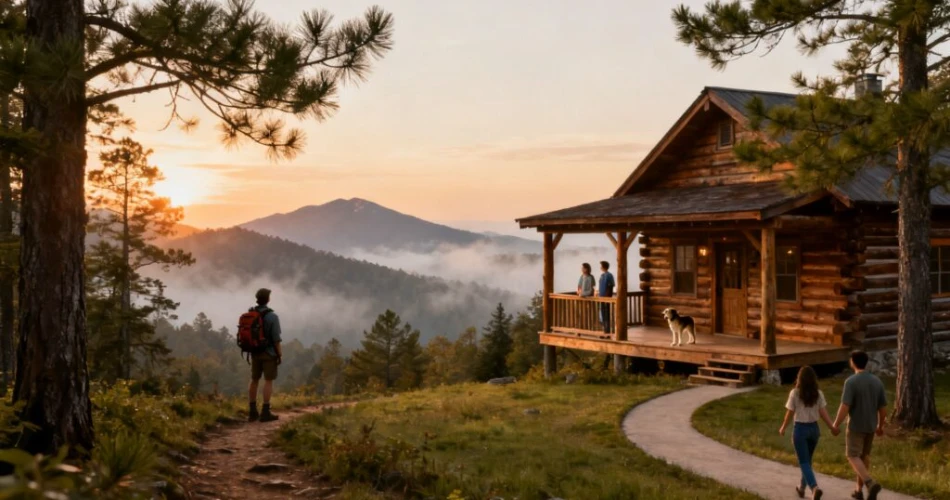
After a morning of walking and driving through the mountains, a picnic can be a better choice than immediately adding another attraction. Gatlinburg's city parks provide convenient outdoor spaces without requiring visitors to leave town again. The city operates three parks—Mynatt Park, Mills Park, and Herbert Holt Park—and these spaces provide opportunities for walking, fishing, recreation, and simply taking a break outside.
Mynatt Park is particularly convenient for a laid-back afternoon because it is only minutes from downtown. Located along LeConte Creek, it has picnic tables, grills, a covered pavilion, walking paths, a playground, restrooms, sports facilities, and access to the creek. The park has also received accessibility improvements, including concrete paths that make it easier to reach parts of the park and the creekside area.
A picnic here does not need to become a formal event. A simple packed lunch, fruit, drinks, and something sweet can be enough. The point is to sit down after the morning's activity and give the day some breathing room. Families can allow children to use the playground, while adults can sit near the creek or take a short walk.
This part of the day also works well for travelers who have already spent several hours on their feet. Instead of forcing another hike into the schedule, a city park provides an easy transition from active sightseeing to a quieter afternoon.
Finish With Mountain Views and a Calm Evening
The final part of an outdoor day in Gatlinburg does not need to involve another major attraction. By late afternoon, many travelers are ready for scenery that can be enjoyed without much physical effort. A scenic drive or a short walk can provide that change of pace, especially when the mountains are taking on warmer evening light.
Cades Cove is one possible option for visitors willing to spend several hours on the road. Its 11-mile, one-way loop passes through a mountain valley surrounded by peaks and provides opportunities for wildlife viewing, historic structures, and short walks. The National Park Service recommends allowing at least two to four hours to tour the loop, with additional time needed if hiking is included.
For a truly relaxed schedule, however, Cades Cove should not be squeezed into the final hour of the day. It is better suited to travelers who have planned their afternoon around it. The loop can become busy during summer and fall and on weekends, so patience is part of the experience. Visitors should use designated pullouts rather than stopping in the roadway.
Wildlife viewing can also be part of the evening, but it should always be done responsibly. The National Park Service notes that Cades Cove and Roaring Fork are among the places where visitors may see animals such as white-tailed deer, turkeys, birds, and black bears. Early morning and late evening can be productive wildlife-viewing periods, but visitors need to keep their distance and never approach animals.
For travelers who prefer to stay closer to town, returning to the Gatlinburg River Walk for a final stroll is an equally appealing choice. The water, trees, and gentle pace provide a natural ending without requiring another long drive.
A relaxing day outdoors in Gatlinburg works best when the schedule leaves room for these quiet moments. The town offers enough access to rivers, forests, parks, trails, and mountain roads that visitors can create a full outdoor day without constantly moving from one attraction to another. A morning walk can lead into a forest trail, a picnic can slow down the afternoon, and a scenic drive or riverside stroll can bring the day to a comfortable close.
The most enjoyable approach is to choose activities according to energy level and current conditions rather than trying to experience everything. The Smokies offer more than 800 miles of trails, while Gatlinburg itself provides accessible outdoor spaces close to town.
Travelers should check current trail and road conditions before heading into the national park, carry water, follow posted regulations, and allow extra time for traffic and parking during busy seasons. With a little planning and plenty of breathing room, Gatlinburg can provide exactly the kind of outdoor day that many travelers need: active enough to feel refreshing, but slow enough to actually enjoy the surroundings
Next post Best Scenic Spots to Visit Around Gatlinburg for Mountain Views and Memorable Drives
Previous Post Where to Find Peace and Quiet in Gatlinburg
About Author