English

 Home
Home Hotels
  Car Rental
 Rewards
 Travel Guide
Best Scenic Spots to Visit Around Gatlinburg for Mountain Views and Memorable Drives

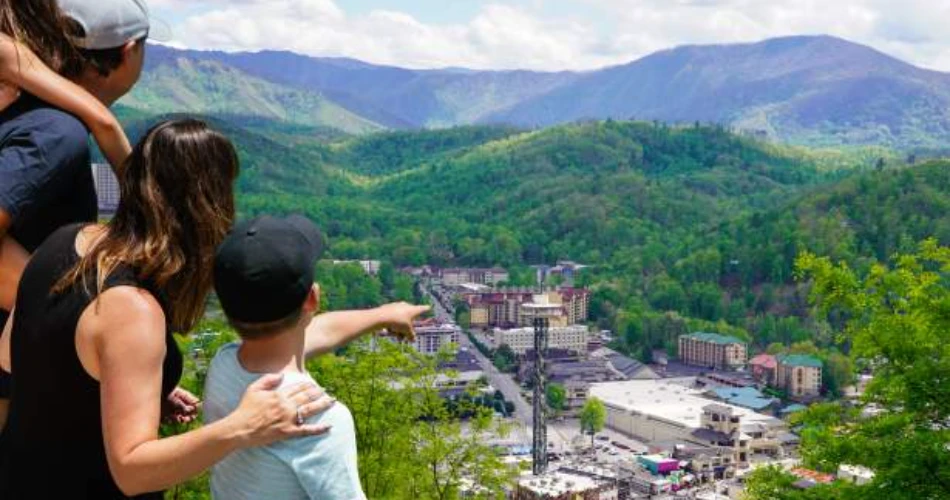
Gatlinburg is the kind of mountain town where a beautiful view can appear almost without warning. A short drive from the downtown streets can lead to a forested road, a rushing creek, a historic valley, or a high overlook where layers of blue ridges stretch toward the horizon. That variety is what makes the area especially appealing to travelers who want scenery without spending every day on a demanding hiking trail.
Many of the most impressive scenic spots in Gatlinburg are within or close to Great Smoky Mountains National Park. Some are reached by car, while others require a short walk or a longer hike. The experience changes with elevation and season, too. Spring brings wildflowers and fresh green forests, summer offers cool mountain streams, fall adds brilliant foliage, and winter can open views through the bare trees.
For first-time visitors, the best approach is not to rush from one attraction to another. The roads themselves are part of the experience. Pull-offs, overlooks, historic structures, waterfalls, and quiet picnic areas create plenty of reasons to slow down and spend time outside.
High Mountain Views Along Newfound Gap Road
Newfound Gap Road is one of the easiest ways to experience dramatic mountain scenery without committing to a long hike. The road runs through Great Smoky Mountains National Park between Gatlinburg and Cherokee, North Carolina, gradually climbing from the lower forests toward the high elevations of the Smokies. Along the way, several overlooks provide opportunities to stop, stretch, take photographs, and watch the landscape change.
The drive is particularly impressive because the scenery does not remain the same. Lower elevations are dominated by hardwood forests, while higher sections transition into spruce-fir forests. The changing vegetation gives the journey a sense of movement even when the vehicle is traveling at a relaxed pace. The National Park Service notes that Newfound Gap Road and other primary park roads are generally open year-round, weather permitting.
Newfound Gap
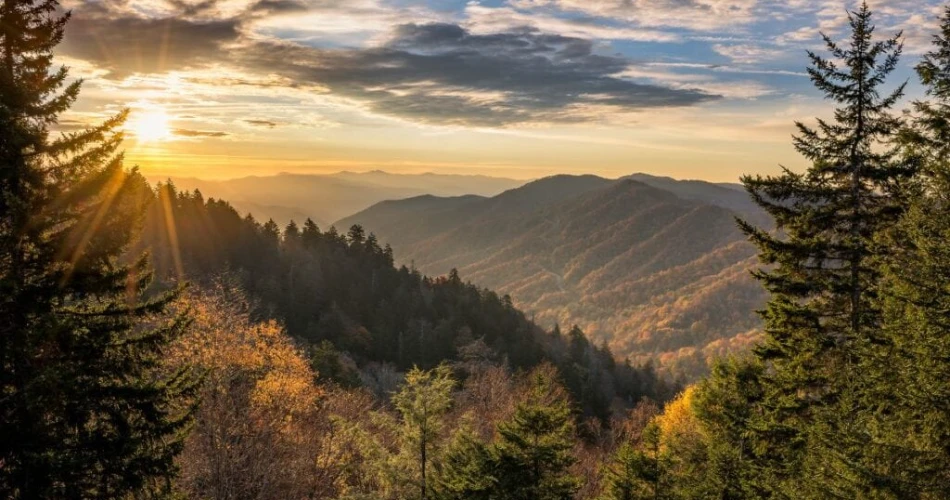
Newfound Gap itself sits at an important high-elevation pass connecting Tennessee and North Carolina. It is also crossed by the Appalachian Trail, making it more than simply a roadside photo stop. The overlook provides broad mountain views, and visitors can walk around the area rather than viewing the scenery entirely from the vehicle.
For travelers visiting Gatlinburg for the first time, Newfound Gap is a practical introduction to the scale of the Smokies. On a clear day, the ridges seem to continue endlessly, while mist and clouds can completely change the appearance of the mountains. Early morning often feels quieter, although conditions can change quickly at higher elevations.
Morton Mountain and Roadside Overlooks
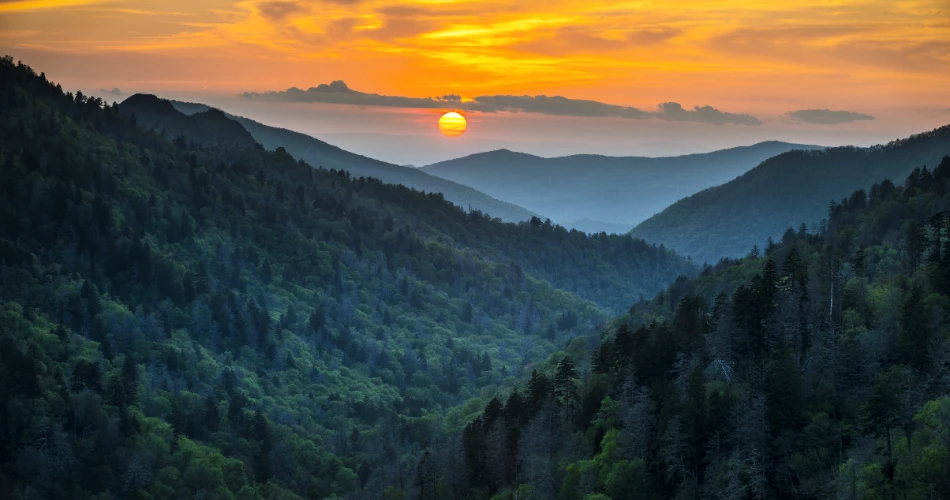
Several overlooks along US 441 provide different perspectives of the mountains. They are useful for travelers who want scenic stops without a strenuous hike. Rather than choosing one viewpoint and leaving immediately, it is worth stopping at several legal pull-offs because each one frames the ridges differently.
The road itself can also be part of the attraction. Curves reveal new sections of forest and distant peaks, while changes in elevation create noticeably different temperatures. Travelers should remember that mountain weather can differ considerably from conditions in downtown Gatlinburg.
Kuwohi for One of the Biggest Mountain Vistas
The Roaring Fork Motor Nature Trail offers a completely different kind of scenic experience. Instead of one enormous panorama, the route provides a series of smaller moments: a stream beside the road, a wooden cabin surrounded by trees, a waterfall, moss-covered rocks, and glimpses of the historic communities that once occupied the area.
The one-way route is located close to Gatlinburg and passes through a heavily forested landscape. The official Gatlinburg tourism site notes that the road is narrow, has tight curves, and does not permit large vehicles such as buses, RVs, trailers, or motor homes. Seasonal access is also a consideration, with the route generally open from mid-April through late November, weather permitting.
For travelers willing to walk uphill for a panoramic view, Kuwohi is one of the standout scenic spots in Gatlinburg to include in a Smoky Mountains itinerary. Formerly known as Clingmans Dome, Kuwohi is the highest point in the Great Smoky Mountains and the highest point in Tennessee. The summit area includes an observation tower reached by a paved but steep trail. From the top, visitors can see layers of ridges extending across the surrounding landscape when weather conditions provide sufficient visibility.
The short distance of the summit trail can be misleading. The steep grade and high elevation make the walk feel more demanding than an ordinary paved path, particularly for visitors who have just arrived from lower elevations. Benches along the route offer places to stop and catch a breath.
Planning the Kuwohi Visit
Timing matters at Kuwohi. Clouds can gather quickly, and a perfectly clear view in Gatlinburg does not guarantee the same conditions at the summit. The National Park Service provides webcams for Kuwohi and Newfound Gap, which can help visitors get a better idea of current conditions before driving up.
The road to Kuwohi is also seasonal. For the 2026 season, the National Park Service lists Kuwohi Road as scheduled from April 1 through November 29, subject to weather-related closures.
Because parking demand can exceed available capacity at busy times, visitors should avoid stopping illegally along the road and should be prepared to adjust their plans if the parking area is full.
Roaring Fork Motor Nature Trail: Forests, Waterfalls and Old Mountain Homes
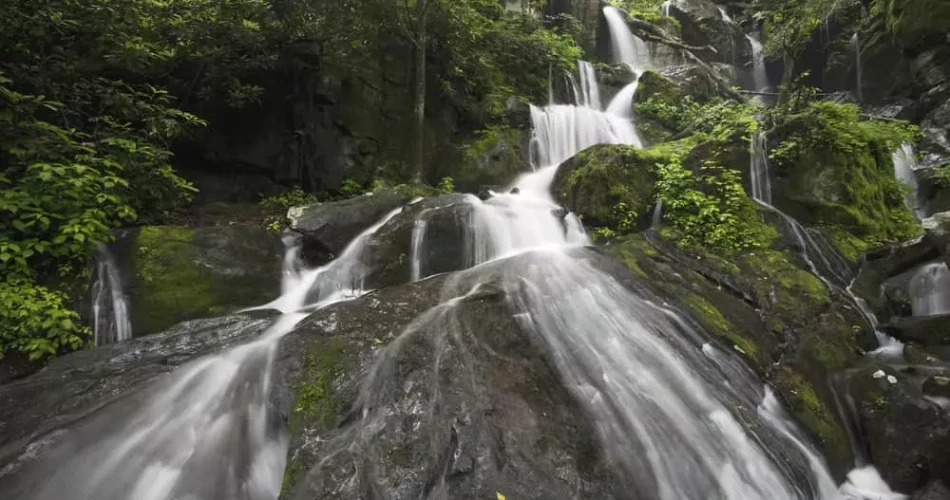
Rainbow Falls and Grotto Falls Water is one of the major attractions along the Roaring Fork area. Rainbow Falls is an 80-foot waterfall and is identified as the highest single-drop waterfall in Great Smoky Mountains National Park. Grotto Falls is also nearby and has the unusual distinction of allowing hikers to walk behind the waterfall. These places require more time than simply stopping at a roadside overlook. Visitors should allow time for parking, walking, and trail conditions rather than treating the waterfalls as quick roadside attractions. Historic Homesteads Along the Route The scenery around Roaring Fork is closely connected to Appalachian history. Historic places such as the Noah “Bud” Ogle Homestead and other preserved homesites provide a glimpse into the lives of families who lived in the mountains before the establishment of the national park. That combination of natural scenery and history makes the route especially worthwhile for travelers who want more than photographs. A slow drive followed by a short walk can provide a better understanding of how mountain families used streams, forests, farmland, and natural resources in everyday life.
Cades Cove for Mountain Scenery, Wildlife and Open Valleys
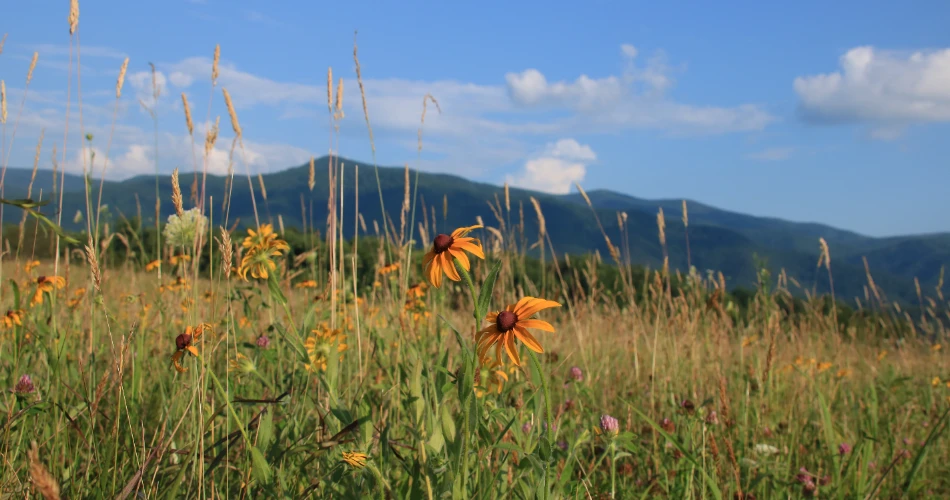
Cades Cove is one of the most distinctive scenic areas within driving distance of Gatlinburg. Unlike the densely wooded mountain roads surrounding much of the park, Cades Cove opens into a broad valley surrounded by mountains. The contrast makes the landscape feel surprisingly expansive, especially when compared with the narrow valleys and thick forests closer to Gatlinburg.
The centerpiece is the 11-mile, one-way Cades Cove Loop Road. The National Park Service recommends allowing at least two to four hours to tour the loop, with additional time needed for hiking or exploring stops along the route. The drive passes historic homesites, churches, cemeteries, trails, and other points of interest.
Wildlife Watching in the Cove
Cades Cove is also a popular location for wildlife viewing. Open fields make animals easier to spot than in thick forest, although wildlife sightings are never guaranteed. Deer and wild turkeys are commonly associated with the area, and black bears may also be seen.
Visitors should keep a safe distance from wildlife and never approach an animal for a photograph. The National Park Service specifically warns that getting too close can endanger both people and wildlife.
Historic Buildings and Quiet Stops
The historic structures add another layer to the scenery. Churches, cabins, cemeteries, and other preserved sites appear throughout the loop, allowing visitors to combine sightseeing with a look at earlier mountain communities.
Cades Cove is not a place that works well when rushed. Traffic can be heavy during summer, fall, and weekends, and the one-way road means visitors should plan for a leisurely drive rather than expecting to move quickly from one stop to another.
Greenbrier and the Quieter Side of the Smokies
Travelers searching for Gatlinburg scenic views away from the busiest destinations should consider Greenbrier. Located in the northeastern section of Great Smoky Mountains National Park, Greenbrier offers forest, mountain streams, wildflowers, and access to trails without the same high-profile reputation as places such as Newfound Gap or Kuwohi.
The National Park Service describes Greenbrier as a heavily forested cove approximately 20 minutes east of Gatlinburg. That proximity makes it useful for travelers who want a scenic outing without spending an entire day on the road.
Greenbrier is particularly appealing in spring, when wildflowers add color to the forest floor. The area also gives visitors the chance to spend time beside the water rather than simply looking out over distant mountains.
One of the pleasures of visiting less famous areas is the pace. A visitor can stop beside a stream, listen to the water, take photographs, or start a trail without feeling obligated to follow a packed sightseeing schedule. It is a good choice for travelers who have already visited the major overlooks and want something quieter.
The area is also a reminder that some of the best scenic spots in Gatlinburg are not necessarily the ones with the biggest observation platforms. Sometimes the appeal comes from being surrounded by forest and water with mountains rising beyond the trees.
Scenic Drives That Let the Landscape Do the Work
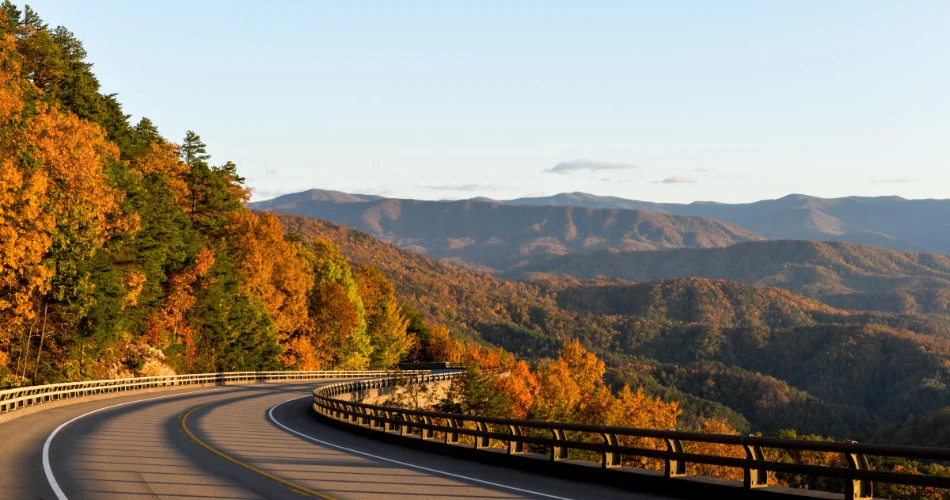
Not every traveler wants to spend a vacation hiking uphill. Fortunately, some of the best Smoky Mountain scenic drives allow visitors to experience substantial scenery directly from the road, with frequent opportunities to stop and walk around.
Newfound Gap Road is the obvious choice for high-elevation views, while Roaring Fork offers a closer look at forests, streams, waterfalls, and historic buildings. Cades Cove provides open mountain scenery and wildlife opportunities. The Foothills Parkway is another option for travelers looking for long-distance views beyond the immediate Gatlinburg area.
Little River Road
Little River Road connects the Gatlinburg area with Townsend and follows the Little River for much of its route. The combination of moving water, forest, rock formations, and mountain scenery makes it a relaxing choice when the goal is a leisurely drive rather than reaching a particular destination quickly.
The road can be combined with other stops, creating an easy full-day outing without requiring strenuous hiking.
Foothills Parkway
The Foothills Parkway provides another perspective of the region. Rather than traveling deep into the center of the Smokies, it follows the foothills and provides elevated views across the surrounding valleys and mountains. The National Park Service identifies several sections of the parkway as scenic alternatives for visitors traveling through the region.
These drives are especially valuable when weather, mobility, or family schedules make long hikes impractical.
Waterfalls, Streams and Forest Scenery Near Gatlinburg
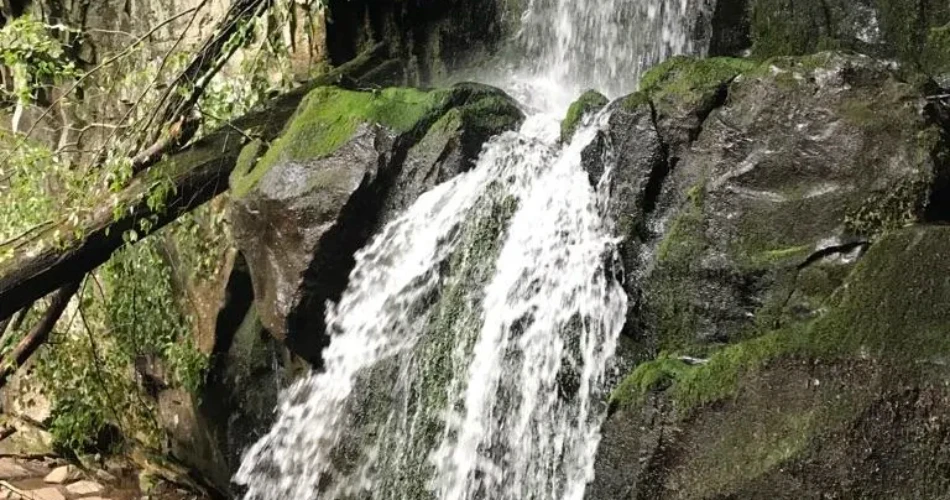
Some travelers picture mountain scenery as nothing more than distant ridges and overlooks, but the Smokies are equally impressive at ground level. Streams, waterfalls, mossy rocks, hardwood forests, and narrow valleys create a different kind of scenery that is often more immersive.
The Roaring Fork area is one of the strongest examples, with streams running beside the road and waterfalls accessible by trails. The Sugarlands area near Gatlinburg also provides access to forested trails and waterways. The National Park Service describes Sugarlands as the northern gateway to the park and notes that several trails lead toward peaceful streams and surrounding natural scenery.
For travelers who prefer easier outings, a streamside picnic can be just as rewarding as a strenuous summit hike. Metcalf Bottoms, for example, sits along the Little River and provides a picnic area that is open year-round. A trail from the area also leads toward historic structures including Little Greenbrier School and the Walker Sisters cabin.
Waterfall trips require a little more preparation. Trails can become slippery after rain, and popular trailheads may have limited parking. Comfortable shoes, drinking water, and extra time are sensible choices. The best experience comes from treating the walk itself as part of the scenery rather than racing toward the waterfall and immediately turning back.
Best Times and Simple Activities for Enjoying the Views
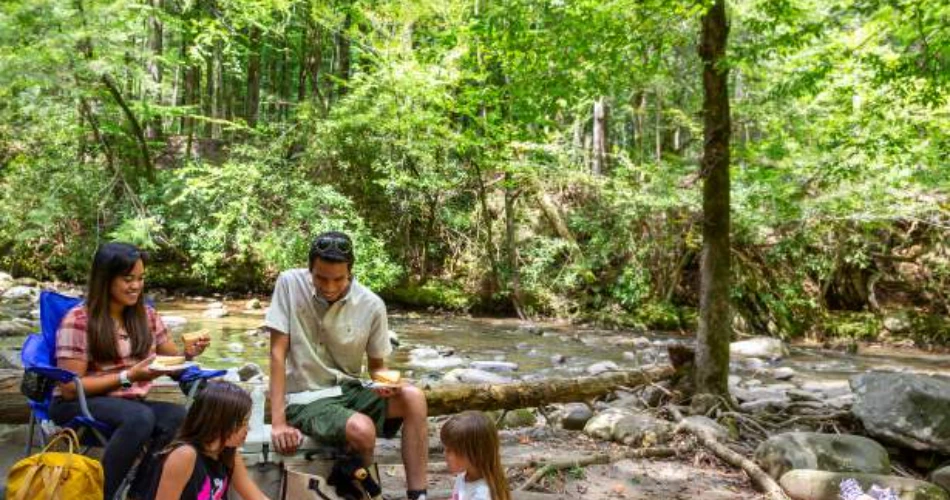
The scenery around Gatlinburg changes dramatically throughout the year, so there is no single season that works best for every traveler. Spring is a strong choice for fresh greenery and wildflowers. Summer brings lush forests and flowing streams, while autumn attracts visitors hoping to see changing leaves across the mountain slopes. Winter can provide clearer views through leafless trees, although high elevations may experience snow, ice, and road closures.
Scenic Photography
Photography is one of the easiest ways to enjoy the area's variety. High overlooks work well for wide landscape photographs, while Roaring Fork and Greenbrier offer opportunities for closer images of water, trees, bridges, and historic buildings.
Morning and late afternoon can provide softer light, but weather should remain the priority. Fog is common in the Smokies and can obscure distant views while creating a completely different atmosphere in the forest.
Picnics and Slow Scenic Stops
A scenic picnic can turn a drive into a more relaxed experience. Rather than planning every stop around a photograph, travelers can choose a picnic area near a stream or open view and spend an hour simply enjoying the surroundings.
The important thing is to use designated areas and follow park regulations. Parking is also important throughout the Smokies. A parking tag is required when parking for more than 15 minutes in the national park, according to the National Park Service.
Practical Tips for Seeing the Best Scenery Around Gatlinburg
A scenic trip around Gatlinburg becomes much easier when visitors plan around road conditions, parking, weather, and travel time. The biggest mistake is trying to fit too many distant locations into one day. A better strategy is to group nearby destinations together.
For example, Newfound Gap can be combined with Kuwohi when the road is open and weather conditions are suitable. Roaring Fork works well as a half-day outing when combined with waterfall or historic-site stops. Cades Cove deserves several hours because the loop road is one-way and traffic can slow the journey considerably. The National Park Service recommends allowing at least two to four hours for the Cades Cove loop alone.
Visitors should check official road and trail conditions before leaving, especially in winter or during periods of severe weather. Mountain temperatures can differ significantly from those in Gatlinburg, and roads at higher elevations can close because of snow, ice, or hazardous conditions.
It is also worth downloading maps before entering areas with limited cell service. The Roaring Fork route, for example, has limited connectivity, and parking at popular destinations can fill quickly.
Most importantly, scenic areas are best enjoyed patiently. Pull completely off the roadway at designated locations, respect wildlife, avoid blocking traffic, and leave natural areas as they were found. That approach makes it easier to appreciate the mountains without turning the visit into a race between viewpoints.
Choosing the Right Scenic Spot for the Trip
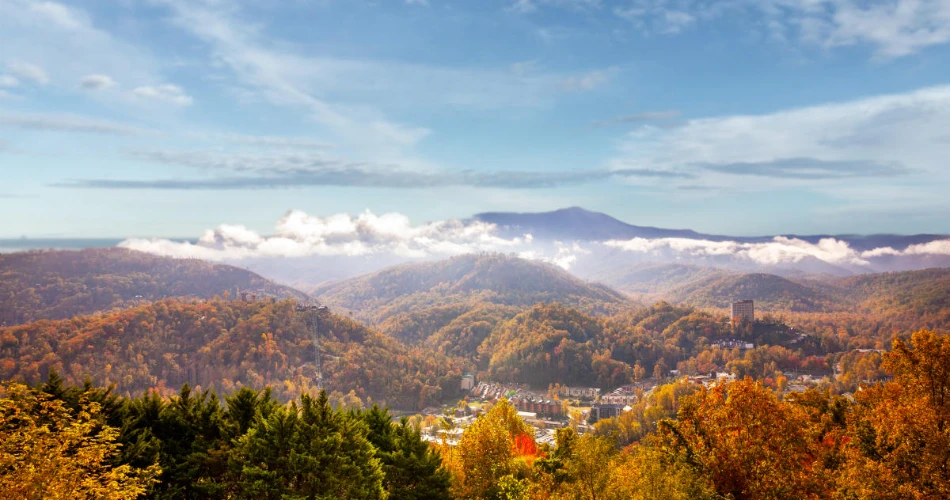
Different travelers will naturally prefer different scenic spots in Gatlinburg. Someone looking for a dramatic panoramic view will likely enjoy Kuwohi and Newfound Gap, while a traveler interested in waterfalls and Appalachian history may prefer Roaring Fork. Families looking for a combination of wildlife, historic structures, and an easy sightseeing route may find Cades Cove especially rewarding.
For a quieter experience, Greenbrier and streamside areas such as Metcalf Bottoms provide a slower pace. Travelers who prefer staying in the car can build a full day around Newfound Gap Road, Little River Road, or the Foothills Parkway, stopping whenever a designated overlook or picnic area catches their attention.
The beauty of the Gatlinburg area is that these choices do not have to compete with one another. A visitor can spend one morning above the tree line at Kuwohi, another afternoon listening to water along Roaring Fork, and another day driving through the open fields of Cades Cove.
That variety is what makes the region so rewarding for repeat visitors. The mountains may be the same, but changing weather, seasons, light, wildlife, and road conditions can make familiar places look completely different. Instead of searching for a single “best” view, travelers can build a collection of scenic experiences that match their pace, interests, and available time.
Next post Where to Go for Fresh Air in Gatlinburg
Previous Post A Relaxing Day Outdoors in Gatlinburg
About Author