English

 Home
Home Hotels
  Car Rental
 Rewards
 Travel Guide
A Relaxing Road Trip Through the Smoky Mountains

A Smoky Mountains road trip works best when nobody is trying to beat the clock. Great Smoky Mountains National Park is crossed by roads that rise through hardwood forest, follow cold mountain streams, pass historic settlements, and eventually reach some of the highest accessible points in the region. The pleasure is not simply getting from Tennessee to North Carolina or checking famous stops off a list. It comes from pulling over when the ridges suddenly open ahead, lingering beside a river, watching fog lift from a valley, and accepting that wildlife or mountain weather may rewrite the schedule.
The park stays open throughout the year, although weather, construction, and seasonal road schedules can affect individual routes and facilities. Primary roads such as Newfound Gap Road, Little River Road, and Cades Cove Loop Road generally remain open year-round when conditions permit. A relaxed itinerary should therefore have a rough direction rather than a rigid timetable.
Begin the Drive on Newfound Gap Road
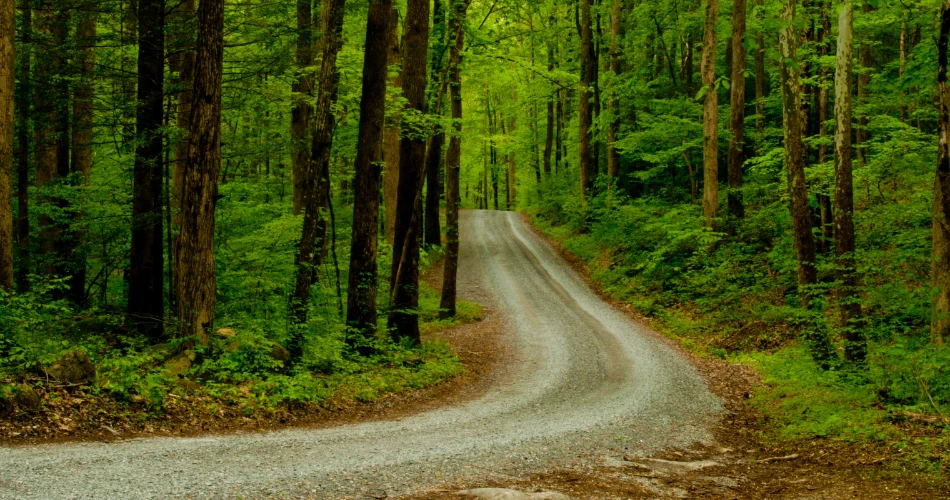
Newfound Gap Road, also signed as U.S. 441, is the natural backbone of a first Smoky Mountains road trip. It crosses Great Smoky Mountains National Park between the Gatlinburg side in Tennessee and the Cherokee side in North Carolina, climbing from lower-elevation forest into noticeably cooler mountain terrain. Newfound Gap itself lies along the state line and provides access to the Appalachian Trail as well as broad views across overlapping ridges.
The pleasure of this road comes from the change in landscape. Lower stretches stay close to creeks and dense forest before the road begins gaining serious elevation through curves, stonework, tunnels, and roadside overlooks. Drivers who stop at every viewpoint will cover relatively few miles, which is exactly the point.
Morning is particularly pleasant because traffic can be lighter and clouds often sit between the mountain layers. Temperatures at higher elevations may also be considerably cooler than around Gatlinburg or Cherokee. A light jacket in the car makes sense even when the valleys feel warm.
Continue Up Kuwohi Road for High-Elevation Views
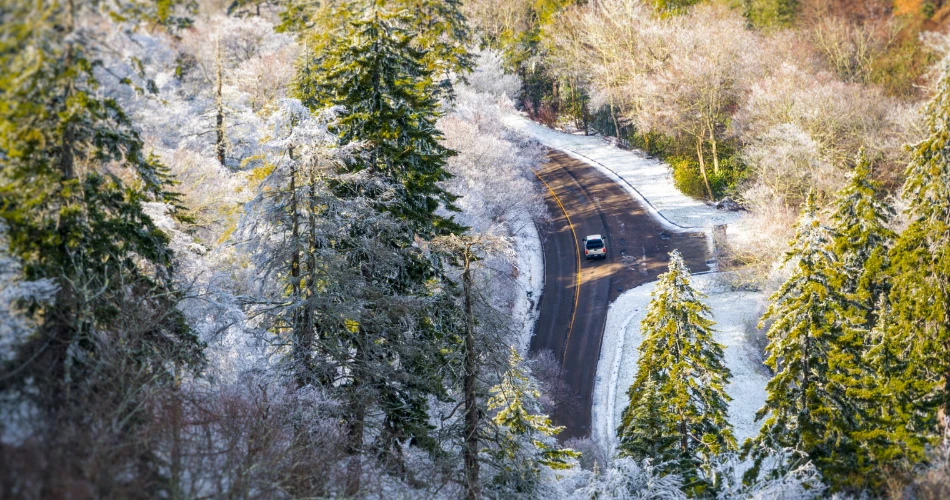
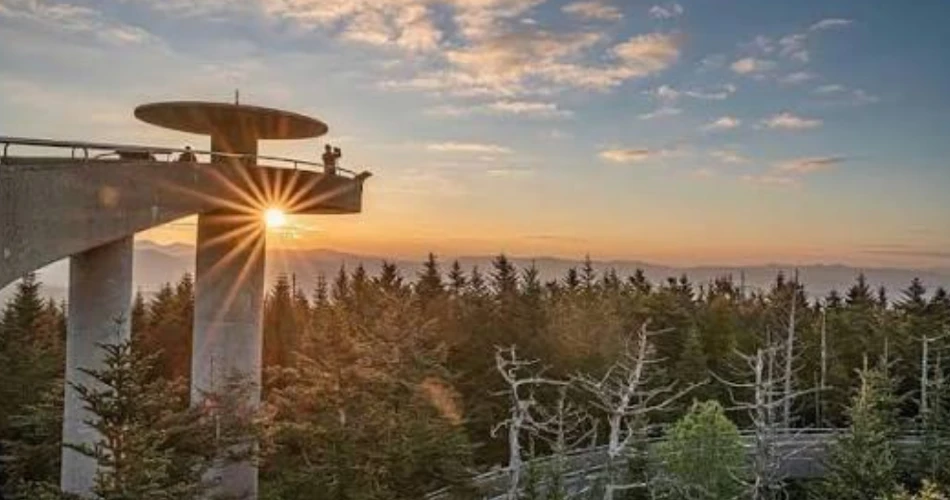
At Newfound Gap, travelers can make one of the most worthwhile detours of the trip by turning onto Kuwohi Road, formerly known as Clingmans Dome Road. The route leads toward Kuwohi, the highest point in Great Smoky Mountains National Park, where a paved walking trail reaches the observation tower. The area sits high enough for spruce-fir forest, cooler temperatures, and rapidly changing mountain weather.
Unlike Newfound Gap Road, Kuwohi Road is seasonal. For the 2026 season, the National Park Service lists it as scheduled from April 1 through November 29, although snow, ice, storms, or other hazardous conditions can still trigger temporary closures.
This is not a stop to squeeze into twenty minutes. Parking can become difficult during busy periods, and the walk toward the observation tower climbs steadily. Travelers who prefer an easier visit can still enjoy the forest and mountain scenery around the visitor area without rushing uphill. Clouds sometimes hide distant ridges entirely, then break unexpectedly, which gives the place a different character from one hour to the next.
Roll Down Toward Oconaluftee and the North Carolina Side
Continuing south on Newfound Gap Road changes the pace again. The highway descends toward the North Carolina side of Great Smoky Mountains National Park, leaving the high spruce-fir environment and returning gradually to richer hardwood forest. Instead of treating this half of the road as the return leg, it deserves its own unhurried stretch of the day.
The Oconaluftee area is a practical place to pause. The landscape opens as the road approaches lower elevations, and visitors can stop near the visitor center area before continuing toward Cherokee or turning the journey back toward Tennessee. This side of the park also provides a useful contrast to the busier Gatlinburg gateway.
Travelers should watch the road carefully around wildlife and use proper pullouts rather than stopping in a traffic lane. The Smokies are home to large wild animals, and safe viewing always requires distance.
For drivers who enjoy noticing landscape changes rather than chasing attractions, this descent is one of the best sections of the entire route. It feels less like transportation and more like watching the mountains gradually rearrange themselves through the windshield.

Give Cades Cove Enough Time to Be Enjoyed Properly
Cades Cove should never be treated as a quick drive-through. The broad valley is surrounded by mountains and crossed by an 11-mile, one-way loop road that passes historic churches, homesites, trail access points, open fields, and areas where wildlife may be visible. The National Park Service recommends allowing roughly two to four hours for the drive, with more time needed if visitors stop for walks or historic sites.
Traffic can be heavy in summer, fall, and on weekends, so early arrivals usually have a calmer experience. From May through September, the loop is typically closed to motor vehicles on Wednesdays, giving cyclists and pedestrians access without normal vehicle traffic.
The best way to enjoy the cove is to stop thinking about average driving speed. Cars may slow for deer, turkeys, bears at a safe distance, or simply a good view. Paved pullouts should be used whenever stopping. A picnic, short walk, or quiet break near one of the historic structures can easily turn Cades Cove into the central part of the day.
Follow Little River Road Instead of Racing Between Towns
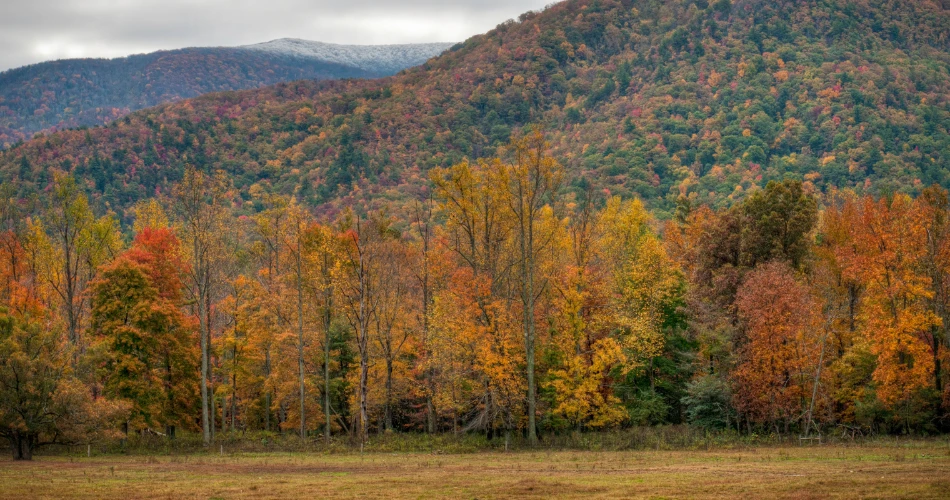
Little River Road offers a softer rhythm than many mountain highways because much of the route follows water through the forest. It links the Gatlinburg area with the Townsend side of the park, passing streamside pullouts, picnic areas, trail access, and several places where drivers naturally want to slow down.
This section works especially well after a morning spent at higher elevations. Newfound Gap and Kuwohi are about distant ridges and elevation; Little River Road brings attention back down to moss, river rocks, shaded forest, and the sound of moving water.
One of the easiest ways to ruin this part of a Smoky Mountains road trip is to schedule too many stops afterward. A better approach is to leave enough time for an unscheduled pullout or picnic.
A few useful habits make the drive easier:
- Keep water, snacks, and an extra layer within easy reach.
- Use designated parking areas rather than road shoulders.
- Allow extra time on summer weekends and during fall foliage season.
- Check current park alerts before leaving for the day.
Little River Road is one of the park's primary roads and generally remains open year-round when weather permits.
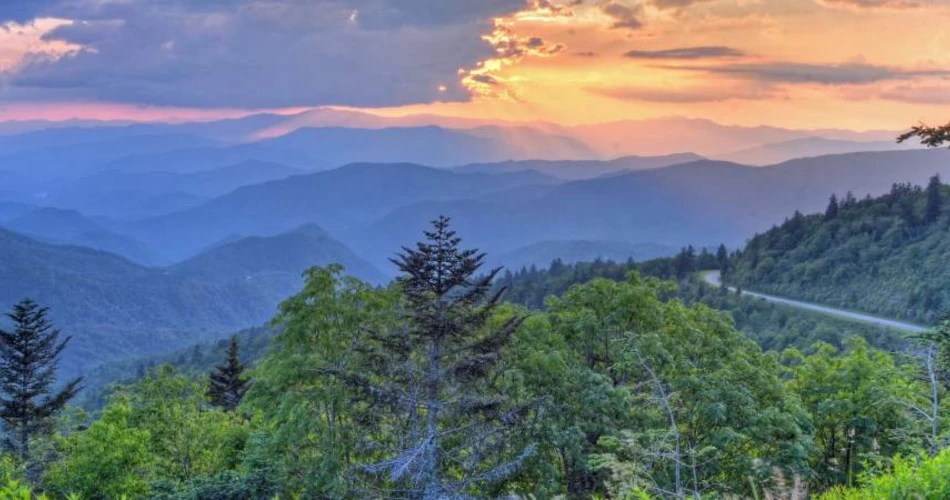
Take the Roaring Fork Motor Nature Trail Slowly
The Roaring Fork Motor Nature Trail is a good choice when the road trip needs a smaller, more intimate scenic drive rather than another sweeping mountain panorama. This narrow one-way road near Gatlinburg winds through dense forest and passes historic buildings, trailheads, stream scenery, and roadside features such as Place of a Thousand Drips.
The route feels quite different from Newfound Gap Road. Here, the scenery is close to the vehicle: tree trunks, mossy rocks, old structures, rushing water, and tight curves fill the view. That closeness is part of the attraction, but it also means drivers need patience.
Roaring Fork Motor Nature Trail closes during part of the year, so seasonal status should be checked before planning the route. Buses, trailers, and motor homes are not permitted on the motor nature trail. Parking near popular trailheads can also reach capacity quickly.
Travelers who want a restful drive can skip the longer hikes and simply use the pullouts and historic stops. The road itself provides enough atmosphere to justify the detour.

Leave Room for the Quieter Foothills Parkway
Foothills Parkway deserves a place on the itinerary for travelers who want mountain views without spending the entire day in the park's busiest corridors. The parkway is administered by Great Smoky Mountains National Park, but only portions of the planned 72-mile corridor have been completed and opened. The National Park Service currently lists three open segments totaling 22.5 miles.
One particularly appealing section runs 16.6 miles between Chilhowee Lake and Walland. It includes numerous parking areas and overlooks with views toward the Smokies as well as the surrounding Tennessee landscape. Another 14.75-mile segment links Walland and Wears Valley and provides a useful scenic addition for travelers moving around the western side of the mountains.
Foothills Parkway is often recommended as a less crowded option for scenic driving. Instead of constantly searching for the next attraction, drivers can stop at overlooks, sit for a while, and watch shadows move across distant ridges. Late afternoon works especially well when softer light gives the mountains more depth.

Build the Route Around Time, Not Mileage
A relaxing road trip through the Smokies can look short on a map and still take most of a day. Mountain roads are slower than ordinary highways, popular overlooks fill up, wildlife creates traffic backups, and a ten-minute stop beside a river has a habit of becoming thirty minutes. Trying to calculate the trip only by mileage usually creates unnecessary pressure.
A better plan is to divide each day into two or three major areas. One morning might combine Newfound Gap Road with Kuwohi Road, followed by an easy afternoon near Oconaluftee. Another day could center almost entirely on Cades Cove and Little River Road. Roaring Fork Motor Nature Trail can fit into a quieter Gatlinburg morning, while Foothills Parkway makes an easy scenic drive when the main park roads feel busy.
Parking also needs to be part of the plan. Great Smoky Mountains National Park requires a parking tag when a vehicle is parked for more than 15 minutes. Driving through without parking does not require the same stop, but anyone planning overlooks, walks, or extended roadside breaks should prepare in advance.
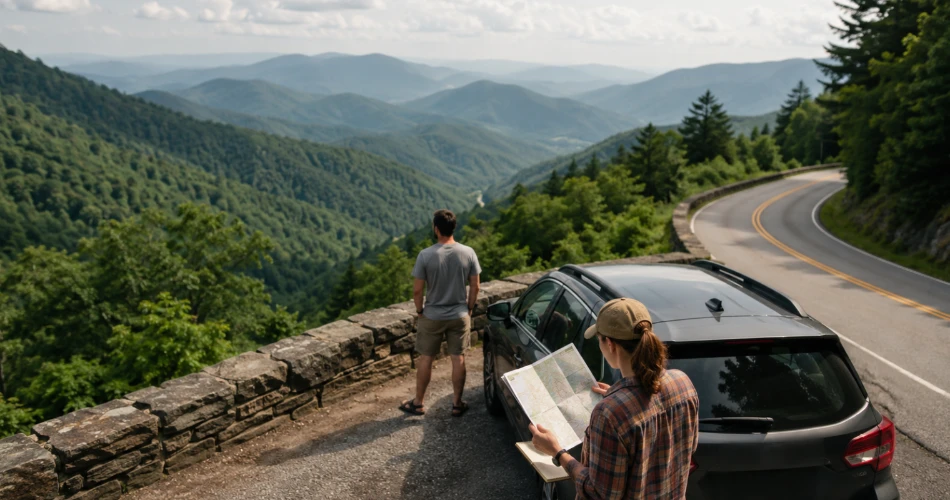
Choose the Season That Matches the Kind of Trip
Every season changes the character of scenic drives in the Smokies. Spring brings fresh leaves, flowering plants, active streams, and variable weather. Summer offers long daylight hours and full access to many seasonal roads, but it also brings heavier visitor numbers. Autumn is famous for changing foliage, although color does not peak everywhere simultaneously because elevation varies so much across the park.
Winter can be exceptionally peaceful at lower elevations, but snow and ice are more likely to affect high roads. The park itself remains open 24 hours a day throughout the year, while secondary roads and some facilities follow seasonal schedules. Weather and construction can create temporary closures at any time.
That makes flexibility more valuable than a perfect itinerary. A cloudy morning at Kuwohi may be a reason to spend time beside Little River instead. Heavy Cades Cove traffic may make Foothills Parkway the better choice. The mountains reward travelers who are willing to change plans rather than force them.
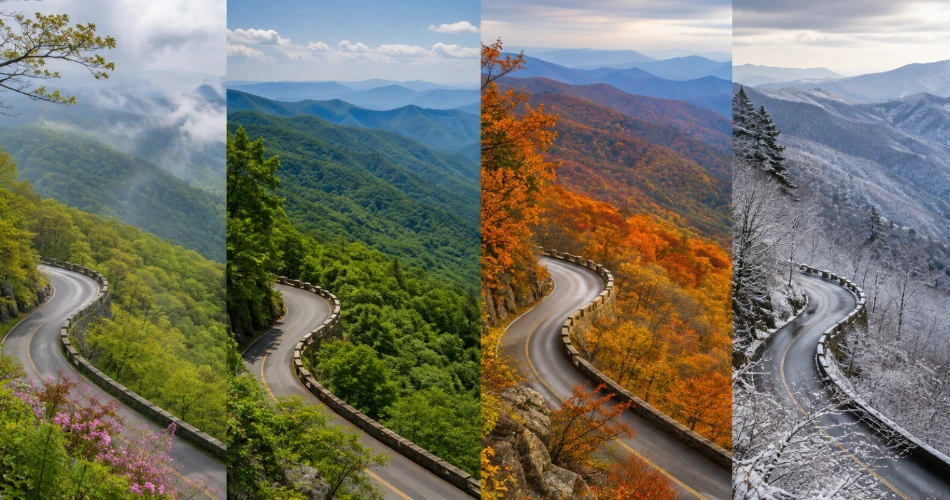
The Smokies Are Better When the Road Trip Stays Unhurried
A good Smoky Mountains road trip is less about covering the largest possible section of a map and more about giving each road enough time to develop its own personality. Newfound Gap Road brings the drama of climbing through several forest zones. Kuwohi Road reaches the high country. Cades Cove slows everything down in an open historic valley, while Roaring Fork Motor Nature Trail closes the scenery in around the vehicle. Foothills Parkway steps back again, offering long views toward the ridges.
Together, these scenic drives in the Smokies create a trip that can feel different every few hours without requiring huge daily mileage. The practical part is simple: check current road conditions, allow generous driving time, plan for parking, respect wildlife, and avoid scheduling every minute.
The rest should remain loose. Stop when the view deserves it. Stay beside the river a little longer than planned. Let another car pass instead of hurrying through a curve. In the Great Smoky Mountains, slowing down is not wasted road-trip time. It is the part travelers are most likely to remember.
Next post Day Trips From Gatlinburg for a Change of Scenery
Previous Post Scenic Drives to Add to Your Gatlinburg Vacation
About Author