English

 Home
Home Hotels
  Car Rental
 Rewards
 Travel Guide
What a Few Days in Gatlinburg Can Look Like

A few days in Gatlinburg can feel surprisingly full without becoming exhausting. The town packs restaurants, mountain attractions, shops, river walks, and entertainment into a compact downtown, while Great Smoky Mountains National Park begins almost immediately to the south. That combination makes Gatlinburg easy to overschedule. A visitor can look at a map on the first morning and assume that downtown, a mountaintop attraction, three waterfalls, a scenic drive, and a high-elevation overlook will all fit neatly into one day. In reality, traffic, parking, mountain weather, meals, and the simple desire to stop somewhere longer than expected quickly change the plan.
A better Gatlinburg itinerary treats each day differently. One can belong mostly to downtown Gatlinburg and a mountaintop view. Another can be reserved for Great Smoky Mountains National Park. A third can move more slowly through the Arts & Crafts Community, a scenic road, or whatever the group missed earlier. The result still includes many of the best things to do in Gatlinburg, but without making every hour feel booked.
This three-day outline is deliberately flexible. It works for first-time travelers who want a broad introduction and for returning visitors who already know the Parkway and would rather spend extra time beside a stream, on a forest road, or talking with a local craftsperson.

Day One: Let Downtown Set the Pace
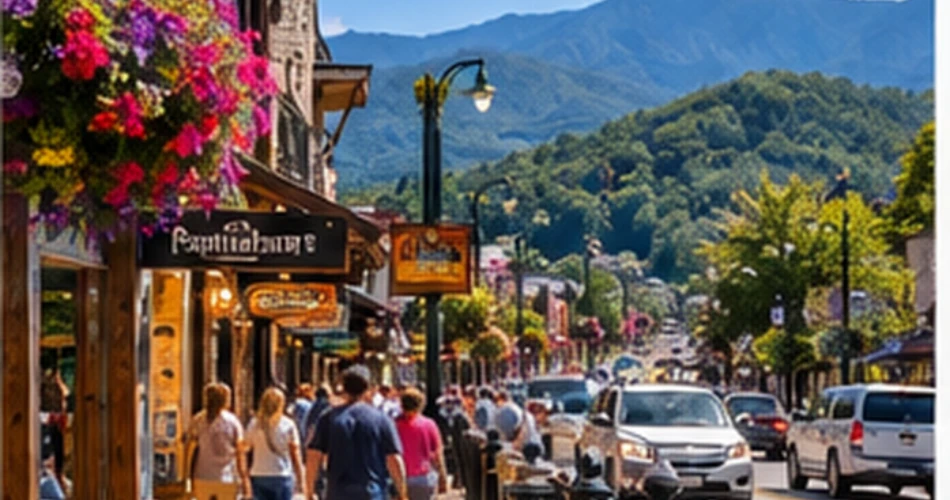
The first day does not need to begin with a long drive. Downtown is compact enough that visitors can park once, have breakfast, and spend several hours on foot. The Parkway supplies most of the energy: shops, candy counters, attractions, restaurants, and people moving in every direction. Side streets and quieter riverside stretches give the morning somewhere to slow down.
The free Gatlinburg trolley is useful when walking becomes inconvenient. The system operates daily and charges no fare, although hours vary by route and special events. It can also help visitors avoid moving the car every time they want to cover another part of downtown.
After lunch, it makes sense to choose one major paid attraction rather than several. Gatlinburg SkyPark works well for visitors who want a chairlift ride and a high viewpoint. Its SkyBridge spans almost 700 feet across the mountain valley, so the experience is substantial enough to deserve its own block of time rather than a rushed stop between other tickets.
Another option is Anakeesta, where the Crystal Express gondola now provides an approximately four-minute ride from downtown to the mountaintop. General admission includes features such as AnaVista Tower, Vista Gardens, and the Treetop Skywalk.
The useful rule for day one is simple: one mountaintop attraction is enough. Dinner, a relaxed Parkway walk, and whatever catches the eye afterward can fill the rest of the evening naturally.
Day Two: Give the Smokies Most of the Day
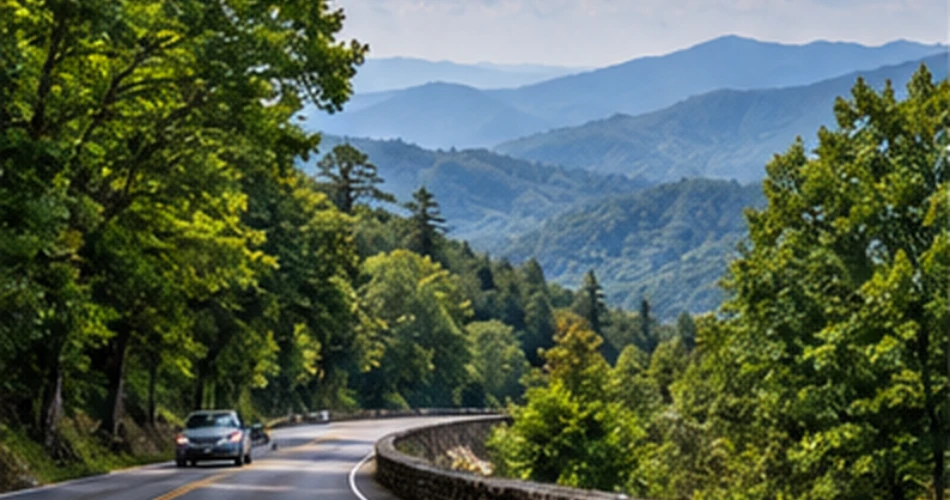
The second day is when the trip should feel different. Downtown Gatlinburg can disappear from view within minutes, replaced by forest, streams, stone walls, and roads that climb gradually into the Smokies. Great Smoky Mountains National Park does not charge an entrance fee, but vehicles parked for longer than 15 minutes require a parking tag. Visitors should obtain the physical tag before arriving at a busy trailhead because purchasing one does not reserve or guarantee a parking space.
Trying to cover every well-known park area in one day is unnecessary. Sugarlands, Roaring Fork, and Kuwohi offer three very different experiences. Sugarlands is the easiest introduction. Roaring Fork combines driving, streams, and historic buildings. Newfound Gap and Kuwohi bring the trip into higher elevations where the temperature, vegetation, and views can feel completely different.
For a realistic Gatlinburg itinerary, travelers should choose two of these areas at most if they want time for short walks and roadside stops. Mountain roads often take longer than their mileage suggests, and weather can change conditions quickly. The park itself recommends checking road, facility, and trail status before setting out.
Sugarlands and the Short Walk to Cataract Falls
Sugarlands Visitor Center is a practical first stop because it sits close to Gatlinburg and gives travelers a chance to check current conditions before committing to a longer outing. From there, Cataract Falls provides one of the easiest ways to put a little walking into the day.
The falls are reached on a roughly 0.7-mile roundtrip route that follows Fighting Creek through the forest. Cataract Falls is about 40 feet high and is typically most impressive after rain. It is a small woodland waterfall, which is exactly why expectations matter. Travelers expecting a massive vertical cascade may be disappointed; those looking for a short forest walk with a natural endpoint are more likely to enjoy it. The National Park Service also warns visitors not to climb around the falls because serious injuries have occurred there.
Nearby, the Sugarlands Valley Nature Trail offers another easy option. The paved loop is about half a mile and is listed by the park as ADA accessible.
Together, the visitor center and one of these short walks can occupy a relaxed morning without consuming the entire park day.

Roaring Fork Works Better When Nobody Is in a Hurry
Roaring Fork Motor Nature Trail is only 5.5 miles long, but its mileage is misleading. The road is narrow, one-way, and designed for slow travel. Streams run close to the pavement, historic buildings appear between the trees, and pullouts encourage drivers to stop rather than treat the road as a shortcut.
Before the motor trail itself, the Noah “Bud” Ogle area provides a look at a former mountain farmstead. Farther along, visitors pass old homesites and forest scenery that make the drive as much about human history as mountain views. Near the end, the Place of a Thousand Drips appears directly beside the road, becoming especially noticeable after wet weather.
Drivers should know that parking can fill quickly and that buses, trailers, and motor homes are not permitted on the motor nature trail. The road also closes seasonally; for 2026, the published seasonal schedule lists it from April 17 through November 29, subject to conditions.
Roaring Fork belongs in an afternoon when the group has nowhere urgent to be afterward. The slower it is driven, the more sense the road makes.

Newfound Gap and Kuwohi Are a Different Kind of Smokies Day
Newfound Gap Road is one of the classic Gatlinburg scenic drives because the road gradually climbs from lower-elevation forest into a cooler mountain environment. Newfound Gap itself sits on the Tennessee–North Carolina state line and provides a broad viewpoint without requiring a hike.
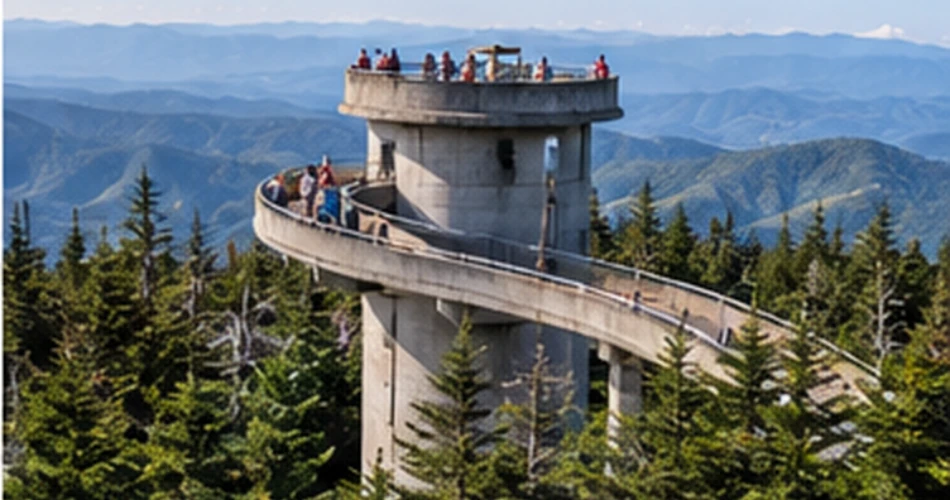
When Kuwohi Road is open and weather allows, travelers can continue higher. Kuwohi reaches 6,643 feet, making it the highest point in Great Smoky Mountains National Park and the highest point in Tennessee. The observation tower is reached by a paved half-mile climb from the parking area, making the roundtrip about one mile. The surface is paved, but the grade is steep enough that the short distance should not be mistaken for an effortless walk.
Conditions also deserve respect. The National Park Service notes that temperatures at Kuwohi can run 10 to 20 degrees Fahrenheit cooler than in the surrounding lowlands, and clouds and precipitation are common.
This outing works best when treated as the main event rather than an extra stop squeezed into sunset. Clear weather can produce huge views; cloudy weather can turn the summit into an atmospheric walk through fog. Either version is part of the mountain experience.
Day Three: Save Time for the Side of Gatlinburg Many Visitors Rush Past
The third day is a good time to move away from the busiest stretch of the Parkway. The Great Smoky Arts & Crafts Community follows an eight-mile loop in the Glades area, where studios, galleries, workshops, and small businesses are spread across a much quieter part of Gatlinburg. The community traces its origins to 1937, when local artisans began relocating their work to home studios in the Glades.
This is not the kind of place where every stop needs to be planned. One pottery studio, a woodworker, a gallery, and a lunch break can easily fill several hours. Pottery, painting, leatherwork, woodcarving, quilts, jewelry, and other crafts are represented along the loop, with some studios allowing visitors to watch artisans at work.
The best visits leave time for conversation. Watching clay take shape on a wheel or hearing why a woodworker chose a particular piece of timber gives the afternoon more personality than racing through ten shops.
Returning visitors often find this day especially rewarding because it shows Gatlinburg without repeating the same mountain attractions. It also gives the trip a useful change of rhythm after a full day in Great Smoky Mountains National Park.

Build in Enough Flexibility for Weather, Traffic, and Tired Legs
Good Gatlinburg travel tips are less about adding stops and more about protecting time. A three-day schedule works only if travelers accept that mountain weather, parking, queues, and traffic can change the order of the day.
A rainy morning, for example, can be traded for an aquarium or indoor shopping, while a clear afternoon can be saved for Kuwohi or another viewpoint. If Roaring Fork parking is full, another park destination is better than waiting in the roadway. National Park Service guidance specifically recommends arriving with an alternative destination in mind in popular areas where parking demand exceeds capacity.
A few practical habits keep the trip moving:
- Check National Park Service road and trail alerts before leaving town.
- Carry water, comfortable walking shoes, and a light layer even on days that begin warm.
- Get the required parking tag before heading to a trailhead that does not sell them.
- Leave at least one afternoon partially open rather than booking every hour.
Those small choices matter more than another attraction reservation. They also make it easier to stay longer when something is genuinely worth the time, whether that turns out to be a waterfall, a pottery studio, or a quiet overlook.

Leave Something for the Next Gatlinburg Trip
Three days in Gatlinburg are enough to understand why the town works so well as a mountain base, but not enough to finish it. That is part of the appeal. One trip might include Cataract Falls but skip a longer trail. Another might spend more time in the Arts & Crafts Community and never make it to a second mountaintop attraction. Neither version is incomplete.
The strongest Gatlinburg itinerary usually contains a little empty space. Downtown supplies energy and easy entertainment. Great Smoky Mountains National Park changes the scale completely, with forest roads, short walks, high viewpoints, and weather that can alter the day in minutes. The craft community adds a local, human side that is easy to miss when attention stays fixed on the Parkway.
Visitors planning only a few days should focus less on how many things to do in Gatlinburg they can fit into the schedule and more on whether each day feels different from the last. A morning downtown, a full park day, and an afternoon among studios or scenic roads already make a satisfying trip. Anything missed simply becomes a reason to return.
Next post The Gatlinburg Stops I’d Make Time for Again
Previous Post Gatlinburg Is Better When You Don’t Try to See It All
About Author