English

 Home
Home Hotels
  Car Rental
 Rewards
 Travel Guide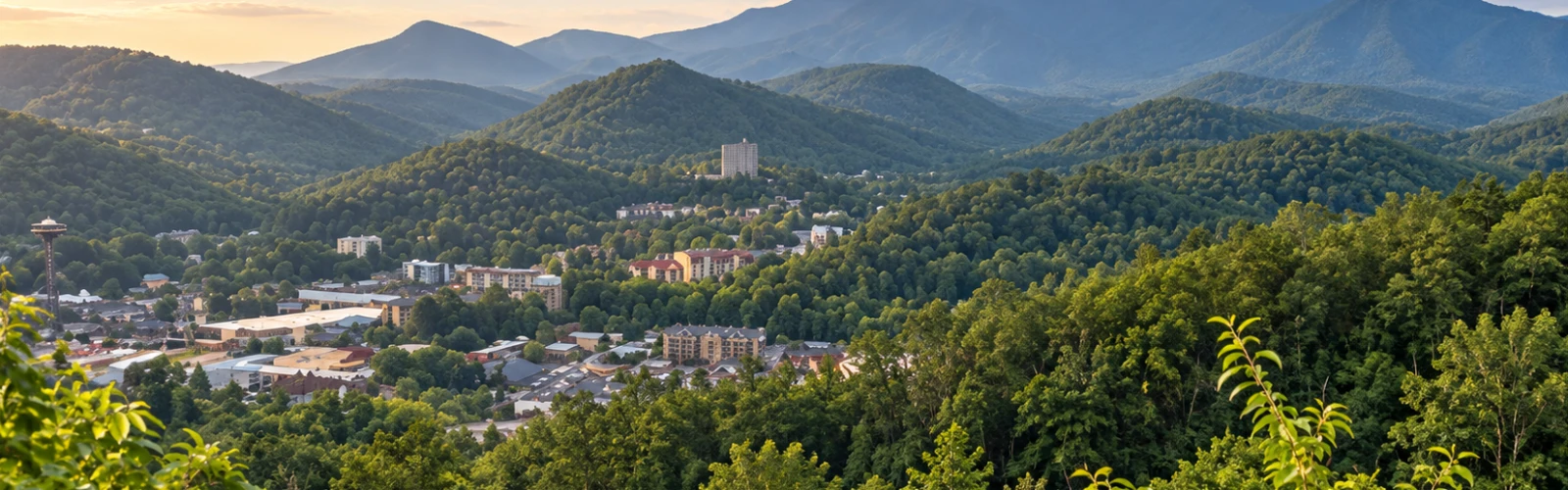
How to Spend a Gatlinburg Day Without Watching the Clock

Some Gatlinburg days go wrong for a surprisingly simple reason: too much attention is paid to the next stop. Breakfast becomes something to finish quickly, the river becomes something seen through a car window, and a mountain road turns into a race to whatever landmark appears at the end. Gatlinburg is much better when the schedule loosens a little.
A good Gatlinburg day itinerary does not have to mean doing less. It means choosing places that naturally fit together and then giving them enough time to work. Downtown Gatlinburg sits directly beside Great Smoky Mountains National Park, Sugarlands Visitor Center is only about two miles south of town, and trails, scenic roads, craft studios, and river walks are close enough that there is little reason to keep checking a watch.
The most satisfying day might begin beside the West Prong of the Little Pigeon River, continue into the woods on the Gatlinburg Trail, and then drift toward the Roaring Fork Motor Nature Trail before lunch. The afternoon can be shaped around the Gatlinburg Arts and Crafts Community, a mountain overlook, or simply more time in town than originally planned.
The point is not to reject planning altogether. Gatlinburg still rewards travelers who understand parking, road conditions, and distances. The trick is to plan the bones of the day and leave the spaces between them open. That is usually where the best part happens.
Let the Morning Begin Beside the River
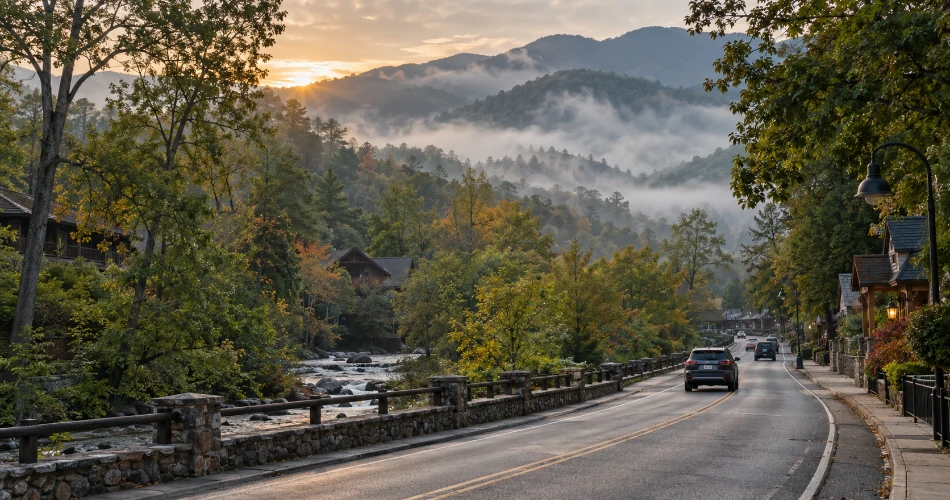
A slow Gatlinburg day is easier to get right when it begins somewhere quieter than the busiest part of the Parkway. River Road Gatlinburg is an obvious choice because it runs only a short distance from downtown while staying close to the Little Pigeon River. Gatlinburg’s tourism office specifically recommends the river walk as a quieter alternative to the Parkway, with benches and places to pause along the water.
There is no real destination required. A traveler can walk until the sound of the river becomes more noticeable than traffic, sit for ten minutes, and then continue toward breakfast when hunger starts making the decision. That sounds almost too simple to include in an itinerary, but that is exactly why it works.
The river also gives visitors an immediate sense of what makes Gatlinburg unusual. This is not a mountain town where nature requires a long drive. Water, forest, steep slopes, and commercial streets are all pressed close together.
Morning is particularly good for photography. Softer light reaches the buildings and trees, fewer pedestrians fill the walkways, and the river tends to feel more like part of the landscape than part of the background.
There is no reason to assign thirty minutes or forty-five minutes to this walk. That would defeat the point. The useful rule is to leave when breakfast sounds better than another bend in the river.
Follow the Gatlinburg Trail Until Downtown Feels Farther Away
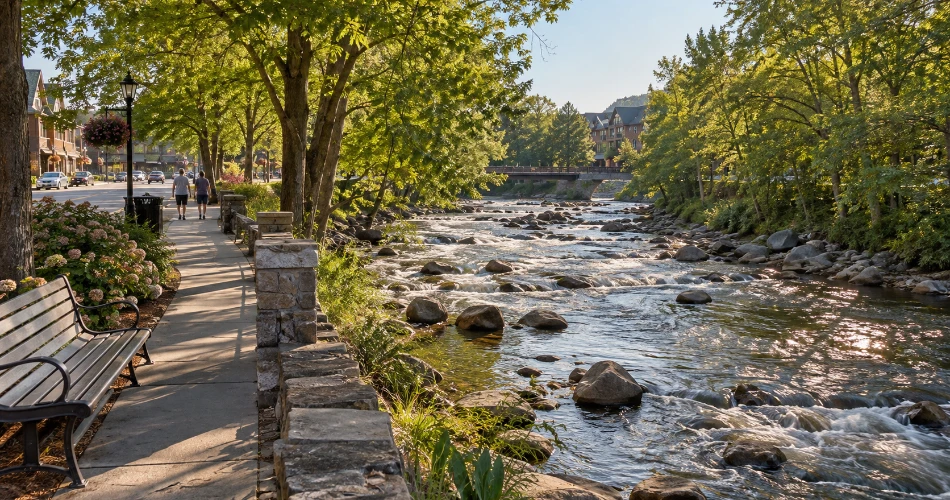
The Gatlinburg Trail is one of the best transitions from town to forest because it does not require a dramatic change of plans. The trail connects River Road with Sugarlands Visitor Center and runs about four miles round trip. After the more developed section near Sugarlands, it becomes a broad dirt path through cove hardwood forest and follows the river for much of the route. Historic stone chimneys remain visible along the way.
It is also unusual within Great Smoky Mountains National Park because it is one of only two park trails where pets are allowed, and bicycles are permitted as well. The National Park Service describes much of it as wide and relatively flat, though visitors should still expect dirt, roots, rocks, and a few steeper portions.
The best part is how quickly the mood changes. Gatlinburg does not disappear completely, but road noise becomes less important, the river stays close, and hardwood forest closes over the route. A bridge crossing adds one of the trail’s most recognizable scenes.
A traveler does not need to complete the full distance to make the walk worthwhile. Turning around after the bridge or continuing farther toward Sugarlands both make sense depending on energy and weather.
That flexibility is important on a day without a rigid timetable. A trail should not become an obligation simply because a map says where it ends.
Give Roaring Fork the Middle of the Day
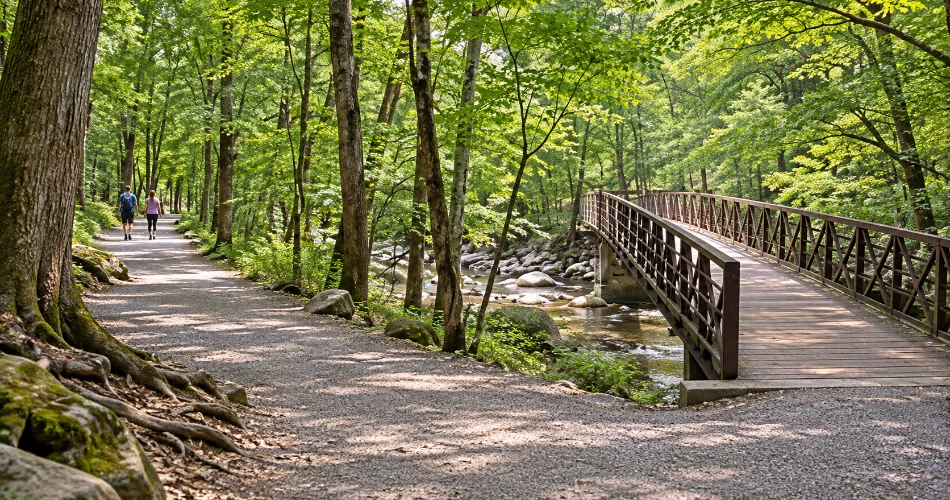
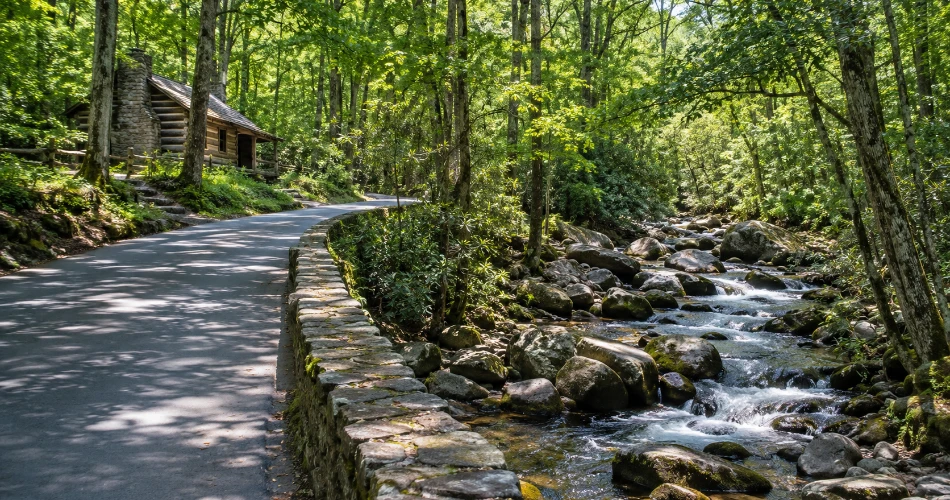
The Roaring Fork Motor Nature Trail is only 5.5 miles long, but treating that number as a measure of how long the experience should take is a mistake. The one-way road winds through forest beside rushing streams, historic buildings, pull-offs, and trail access. The National Park Service specifically describes it as a route meant for slowing down and appreciating both natural scenery and mountain history.
This is the part of a Gatlinburg day itinerary where the clock should almost disappear.
Before entering the motor trail, travelers can stop near the Noah “Bud” Ogle farmstead. Farther along, the road passes access to the Trillium Gap Trail toward Grotto Falls, although parking at the trailhead is limited. Toward the end, Place of a Thousand Drips spreads water over a roadside rock face, with the flow becoming more noticeable after rain.
The attraction is not any single stop. It is the combination of narrow road, forest, creek noise, log structures, and the feeling that downtown is suddenly much farther away than it actually is.
Roaring Fork is seasonal, and buses, trailers, and motor homes are not permitted on the motor nature trail. Parking demand can also exceed capacity, so checking current conditions before leaving town is worth the minute it takes.
Once on the road, however, there is little reason to hurry.
Eat When the Day Naturally Reaches Lunch
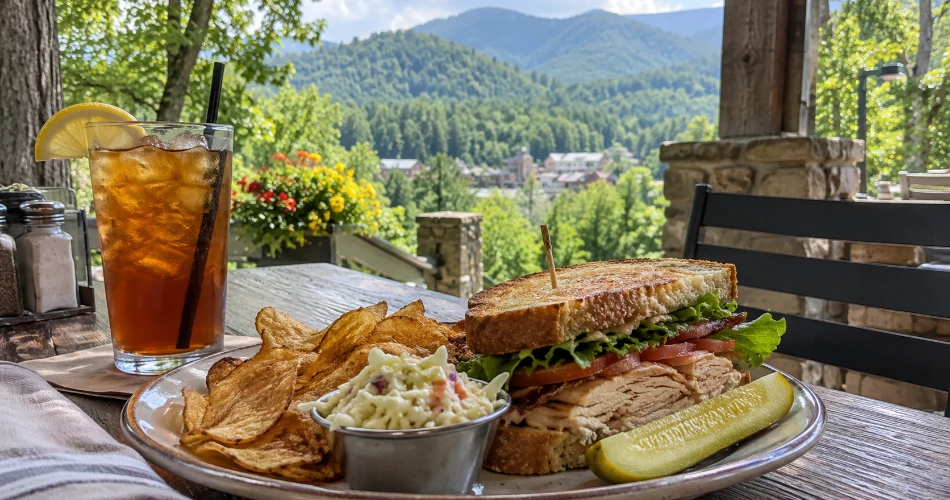
A rigid itinerary often makes lunch surprisingly stressful. Either everyone gets hungry before the reservation, or a good trail has to be cut short because somebody decided noon was the only respectable time to eat. Gatlinburg has enough casual dining choices that lunch does not need to run the day.
The better approach is to treat food as the pause between the forest and the afternoon.
After Roaring Fork, travelers can return toward town or continue east depending on the next stop. A slower meal gives everyone time to sit down, refill water, check the weather, and decide whether the second half of the day still needs to follow the original plan.
This is also a useful moment to make practical adjustments. Great Smoky Mountains National Park does not charge an entrance fee, but vehicles parked for longer than 15 minutes require a parking tag. Those tags do not reserve parking spaces, which is another reason not to build a day around a single crowded trailhead.
A few habits help keep the pace easy:
- Keep water and a light layer in the car rather than returning to lodging for small things.
- Choose one main afternoon destination instead of three backup attractions.
- Check road or weather conditions before heading higher into the mountains.
Lunch should feel like part of the trip, not an interruption in it.
Let the Arts and Crafts Community Take as Long as It Takes
The Gatlinburg Arts and Crafts Community is easy to underestimate because it is described as an eight-mile loop. That makes it sound like something that can simply be driven through. Technically it can. That is also the least interesting way to experience it.
The community traces its roots to 1937 and now includes a large concentration of independent artists and craftspeople along the Glades and Buckhorn Road area. Current Gatlinburg tourism information describes more than 100 artists and craftsmen across the eight-mile loop, with studios and shops featuring pottery, woodcarving, paintings, quilts, leatherwork, musical instruments, jewelry, baskets, and other handmade pieces.
The value here is not shopping volume. It is stopping when a particular studio actually looks interesting.
A potter working at a wheel is more memorable when nobody is already halfway out the door. The same applies to a woodworker explaining how a bowl was shaped or a painter talking about a familiar Smoky Mountain ridge.
Individual studio hours vary, so the craft loop is better approached as a flexible afternoon area rather than a sequence of scheduled appointments. Gatlinburg’s trolley system can also serve the Arts and Crafts Community during designated periods, and trolley rides are free.
This is one place where an unhurried traveler often sees more by trying to see less.

Take One Mountain View Instead of Chasing Every Overlook
At some point, most Gatlinburg days need a wider view. The mistake is turning that into a competition to reach every scenic stop.
One good overlook is enough if the weather cooperates.
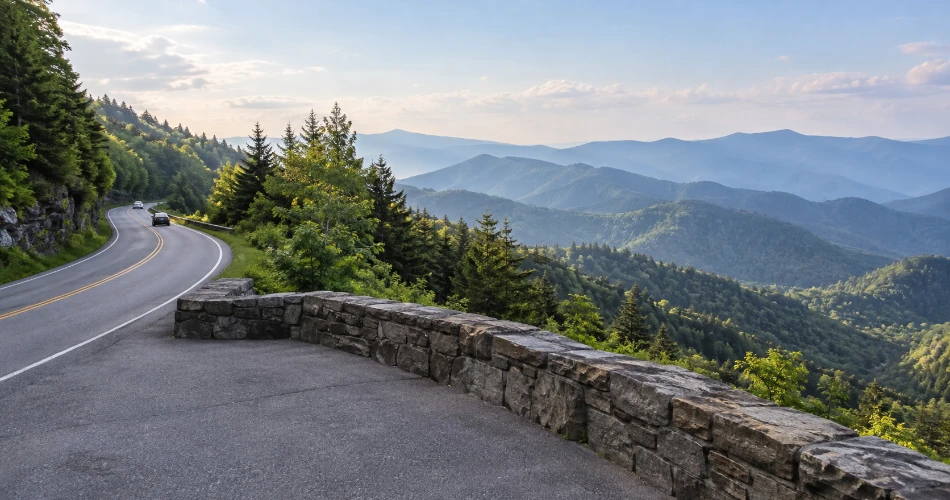
Travelers staying inside Great Smoky Mountains National Park can use Newfound Gap Road to gain elevation and watch the landscape change. Sugarlands Visitor Center sits only about two miles south of Gatlinburg on this route, so the transition from town to high mountain scenery begins quickly.
The road gives visitors several chances to stop, but the better strategy is to wait for a viewpoint that actually looks different from the last one. Cloud, haze, and changing sunlight can matter more than the name attached to an overlook.
Those preferring a town-centered viewpoint could instead spend time at Gatlinburg SkyPark. Its SkyBridge spans almost 700 feet across a valley and includes a 30-foot glass section, making it a very different kind of mountain view from the national park’s roadside overlooks.
Either choice works. Doing both simply because both exist is where the day starts turning back into a schedule.
Pick the mountain view that suits the weather, energy, and mood. Then stay long enough to actually look at it.
Return Downtown Only When Downtown Sounds Good Again
The useful thing about spending several hours away from central Gatlinburg is that the Parkway becomes enjoyable again when a traveler returns by choice instead of staying there all day.
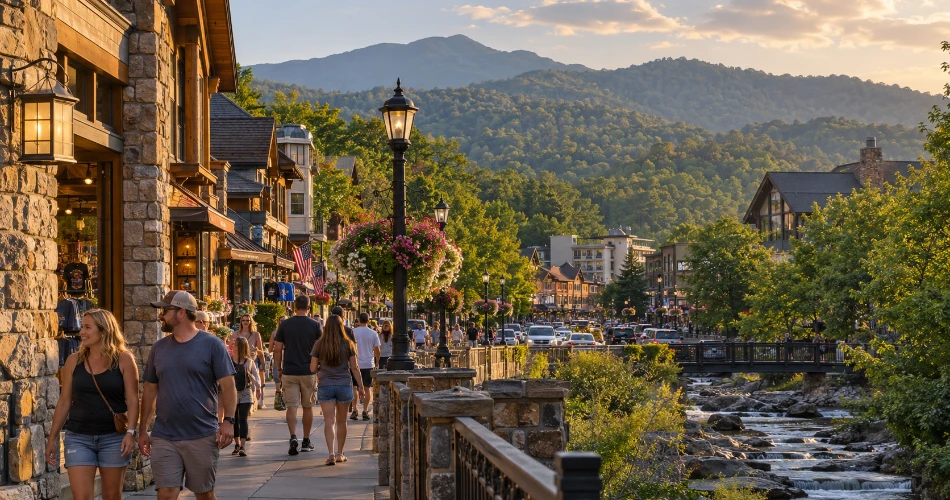
Late afternoon can be a good time to walk a few blocks, browse a shop that looked interesting earlier, or sit beside the river again. Gatlinburg’s compact center makes that easy, and the free trolley system provides another option for visitors who are tired of moving the car. Riders can board at stops around the city, and the system operates multiple routes serving central Gatlinburg and, seasonally, the craft community.
There is no need to assign another major attraction to this part of the day.
Someone might want dessert. Another traveler may want to return to River Road. A family could simply sit for half an hour before dinner. Those are all legitimate uses of time.
The town also becomes more atmospheric as the sun drops behind the ridges. Storefront lighting begins to appear, the mountains darken behind the buildings, and the pace changes from daytime sightseeing to evening wandering.
That transition is easier to enjoy when nobody is checking whether the next activity has started yet.
The Best Gatlinburg Days Have Some Empty Space
A full day in Gatlinburg does not have to feel full every minute.
That is probably the most useful lesson for both first-time visitors and people returning to the Smokies. The town offers more than enough attractions to fill every hour, but its location makes unscheduled time unusually valuable. A river walk can turn into a longer trail. A scenic drive can lead to a historic home site that was never part of the plan. A craft studio can hold attention longer than expected. A mountain overlook can suddenly become worth another twenty minutes because the clouds finally lift.
A strong Gatlinburg day itinerary therefore needs structure without becoming rigid. River Road, the Gatlinburg Trail, the Roaring Fork Motor Nature Trail, the Gatlinburg Arts and Crafts Community, and one mountain viewpoint can easily form the backbone of a day. Everything else can remain optional.
That does not mean practical planning should be ignored. Parking tags, seasonal roads, weather, and trail conditions still matter. What changes is the attitude toward them. They become information used to shape the day rather than deadlines used to control it.
By evening, travelers may have visited fewer places than someone working through a checklist. They may also remember far more of them.
In Gatlinburg, watching the mountains is usually a better use of time than watching the clock.
Next post What Makes a Return Trip to Gatlinburg Worthwhile
Previous Post The Gatlinburg Places That Make You Want to Stay Longer
About Author