 English

 Home
Home Hotels
  Car Rental
 Rewards
 Travel Guide
What to See When You’ve Already Done the Usual Gatlinburg Stops

A second trip to Gatlinburg feels different from the first. There is less pressure to stand beneath every downtown sign, ride every mountaintop attraction, or hurry toward the places that dominate vacation brochures. Once the Parkway, major overlooks, aquarium, SkyPark, Anakeesta, and the better-known Smokies stops have already had their turn, there is room to notice how much of Gatlinburg sits just beyond that first layer.
That is where some of the more rewarding things to do in Gatlinburg begin. A traveler can follow a creek into Greenbrier, watch clay taking shape in a working studio, walk through the remains of an old mountain vacation community at Elkmont, or spend half an hour on a paved forest trail instead of another hour waiting in an attraction line.
Great Smoky Mountains National Park still charges no entrance fee, although any vehicle parked inside park boundaries for more than 15 minutes generally needs a valid parking tag. Road, weather, and trail conditions can change quickly, so a returning traveler gains more by keeping the day loose than by filling every hour.
Greenbrier Is Where Gatlinburg Starts Feeling Quiet Again
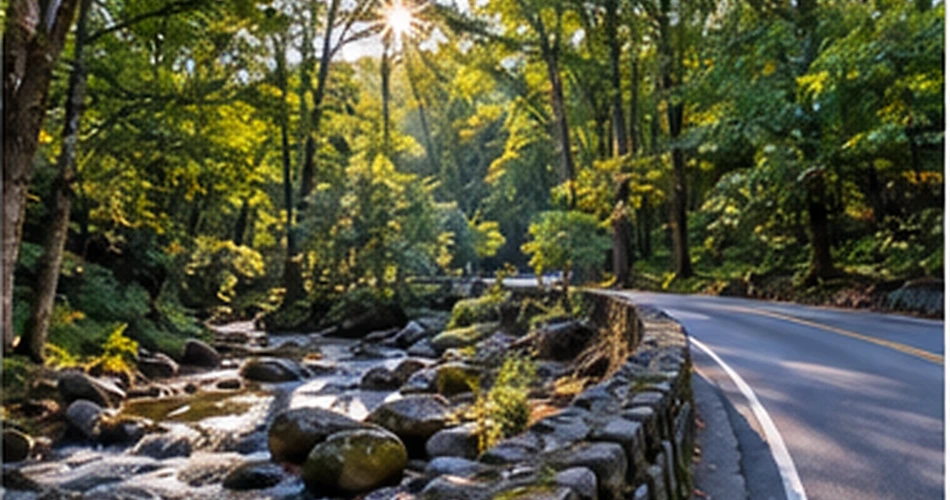
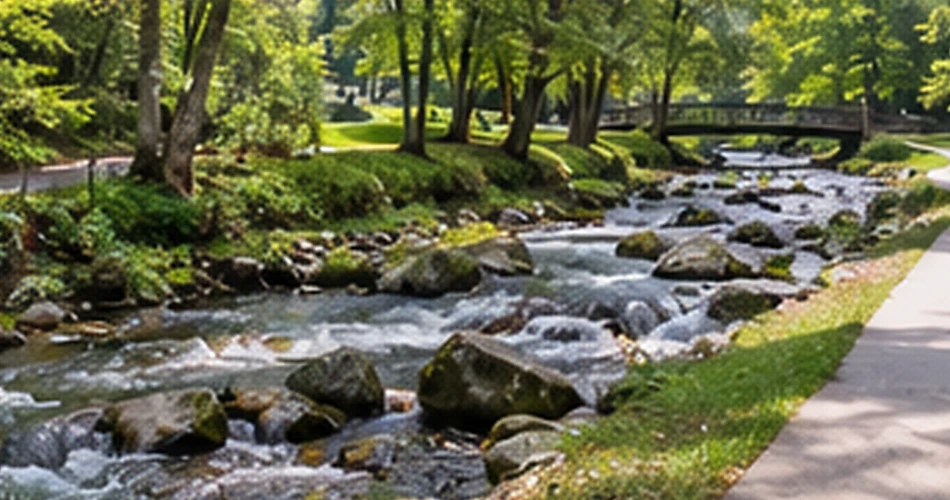
Greenbrier works well for a Gatlinburg second trip because the change in pace happens almost immediately. The National Park Service places the heavily forested cove roughly 20 minutes east of Gatlinburg. Its partially paved entrance road follows water upstream toward a picnic area and several trailheads, trading downtown traffic and storefronts for rhododendron, hardwood forest, rocks, and moving water. The area is also associated with wildflowers, historic sites, cemeteries, fishing water, and waterfall hikes.
There is no need to turn the visit into an ambitious hike. Greenbrier is good precisely because a traveler can stop beside the river, eat lunch, walk a short stretch of trail, photograph the water between mossy boulders, and move on when it feels right. It is especially pleasant in the morning, when the forest is cooler and the road feels removed from Gatlinburg despite the short drive.
For repeat visitors looking for hidden Gatlinburg spots, this is less about finding a secret place than choosing an area many first trips simply do not leave time for.
Give the Arts and Crafts Community More Than a Drive-Through
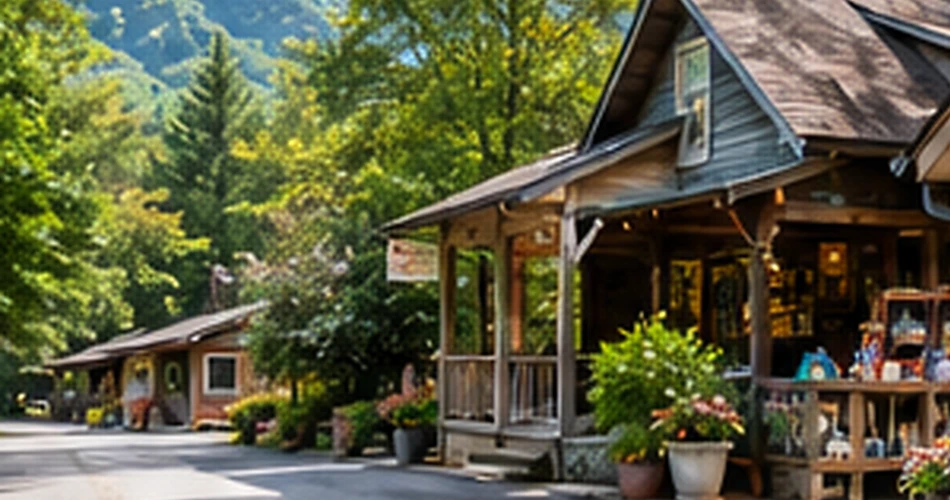
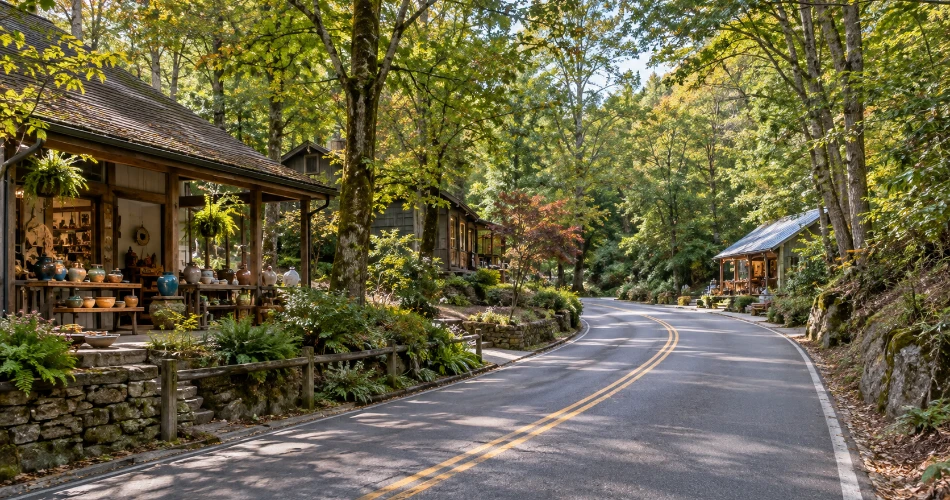
The Great Smoky Arts & Crafts Community is sometimes treated like a shopping detour, but that undersells it. The community dates to 1937 and follows an eight-mile loop in the Glades area, where more than 100 artists and craftspeople are represented through studios, galleries, workshops, and shops. Pottery, woodwork, leather, painting, jewelry, basketry, candles, glass, and other crafts make it one of the easiest places to see Appalachian craft traditions still functioning as everyday work rather than museum display.
A repeat visitor should resist the urge to race around the entire loop. Two or three carefully chosen studios can be more memorable than stopping everywhere. The interesting moments are often small: shelves filled with mugs whose shapes are slightly different from one another, wood shavings around a workbench, an unfinished bowl beside hand tools, or a potter explaining why a particular glaze changes in the kiln.
This part of town belongs on a list of things to do in Gatlinburg precisely because it feels so different from downtown entertainment.
Watch a Working Studio Instead of Just Shopping
A studio visit becomes much more interesting when the maker is actually working. Pottery is particularly good for this because the process is visually understandable even to someone who has never touched a wheel. A visitor can see a lump of clay centered, pulled upward, shaped, trimmed, dried, glazed, and eventually fired. Some Gatlinburg-area studios also offer hands-on classes or workshops, although schedules vary and should be checked directly before building a day around one. The local tourism office specifically notes opportunities to see artisans working and periodic hands-on craft experiences within the community.
The same approach works with woodcarvers, leatherworkers, painters, and other makers. Watching the process makes the finished object easier to understand. A mug stops being a generic souvenir once the visitor has watched clay thrown on a wheel a few feet away.
Photography should stay respectful here. Working studios are businesses and creative spaces, so permission is worth asking before photographing an artisan closely.

Leave Time for the Loop Itself
The Arts and Crafts Community is not one giant pedestrian complex. It stretches along roads through the Glades, so the experience works better as a slow sequence of short drives and individual stops. The official visitor guide describes the community as an eight-mile loop and notes that its history grew from craftspeople moving into home studios outside central Gatlinburg during the 1930s.
That geography is part of the appeal. Between studios, the road passes wooded hillsides, modest buildings, workshops and quieter stretches that feel far removed from the Parkway. A traveler might spend 20 minutes with a potter, drive another few minutes, stop to look at woodwork, then take an unplanned break rather than treating the loop as a list to complete.
Returning visitors often appreciate that freedom more than first-timers. There is no single headline attraction demanding an exact arrival time. The loop rewards curiosity instead: an open studio door, smoke from a kiln area, a rack of hand-carved pieces or simply a road that feels more local than theatrical.
Sugarlands Valley Nature Trail Is Easy to Miss
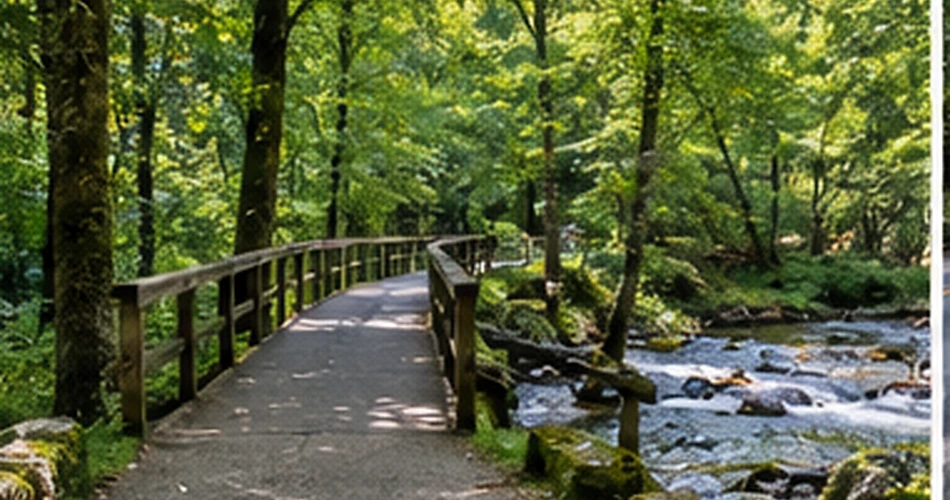
One of the simplest Gatlinburg scenic places sits close to a road thousands of visitors use without giving it much thought. Sugarlands Valley Nature Trail is a paved half-mile loop near Sugarlands Visitor Center. The National Park Service describes it as a flat route through cove hardwood forest with stream views, old stone walls and historic stone chimneys. It is also the park's only trail designated as ADA accessible.
That makes it useful for more than travelers who need an accessible route. It is a good choice when the day does not call for boots, switchbacks or several hours of hiking. The experience is quiet and close to the road, yet the combination of forest, streamside scenery and surviving traces of earlier settlement makes the walk feel more substantial than its distance suggests.
A second-time visitor could pair it with Sugarlands Visitor Center or use it as an easy first stop before heading farther up Newfound Gap Road. Parking longer than 15 minutes requires a park parking tag, even for a short walk.
Roaring Fork Makes More Sense When the Car Stops Often
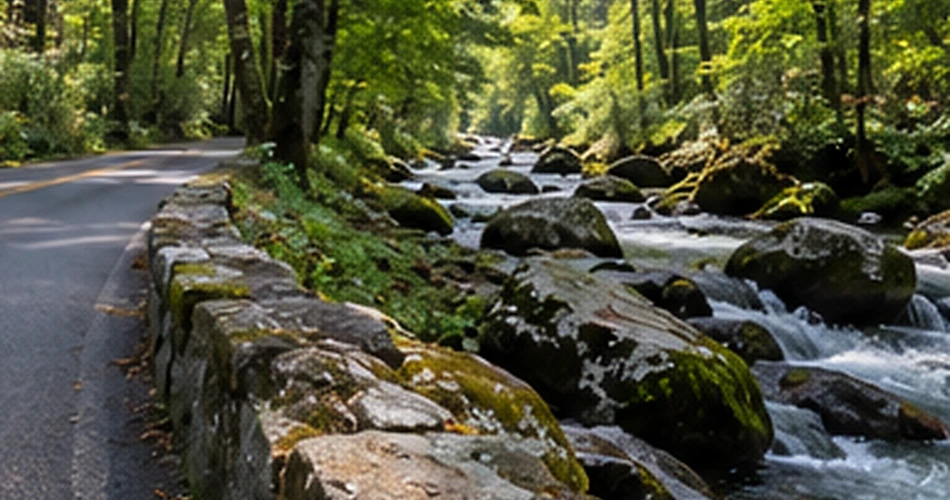
Roaring Fork Motor Nature Trail is familiar by name, but many visitors experience it almost entirely through a windshield. That misses much of the point. The scenic road is a narrow, 5.5-mile, one-way route through forest and mountain-stream scenery, with access to historic buildings and trailheads. Buses, trailers and motor homes are not permitted, and the road closes seasonally, so current road status should always be checked before setting out.
The better second-trip version starts before the one-way road at the Noah “Bud” Ogle farmstead on Cherokee Orchard Road. The preserved site includes a saddlebag-style cabin, barn and tub mill, with additional structures reached on the short Ogle Place Nature Trail.
Once on Roaring Fork, slowing down matters. Stream crossings, old buildings, trail access and the roadside Place of a Thousand Drips are easy to rush past when the drive is treated as transportation. Parking is limited and demand can exceed capacity, so having an alternate stop in mind is sensible.
Elkmont Adds a Different Kind of Smokies History
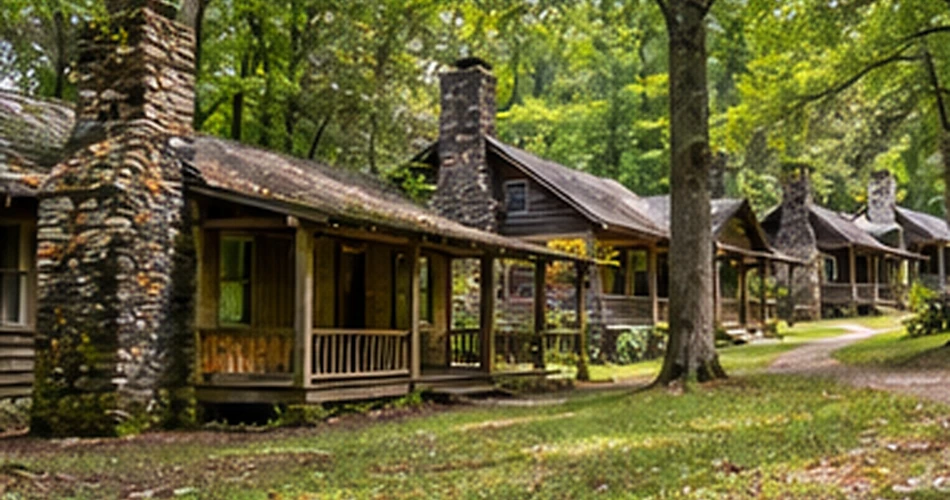
Elkmont is one of those places that can change how a returning traveler sees the Great Smoky Mountains. Today the area is surrounded by forest, trails and streams, but its history includes farming, intensive logging and the development of early vacation communities. The National Park Service preserves eighteen cabins associated with the Appalachian Club, and visitors can walk through parts of Daisy Town, where vacation homes were built between 1910 and 1935.
This is not a polished historic village with costumed interpreters at every door. That is part of what makes it interesting. Cabins sit beneath tall trees; stone chimneys and walls appear near trails; the sound of Little River is never far away. Jakes Creek and Little River trails also pass evidence of former structures and settlement.
Daisy Town deserves a slow walk before anyone heads deeper onto a trail. Porches, stone fireplaces and rows of preserved cottages make the human history unusually easy to picture. It works particularly well on an overcast morning, when the forest and old buildings feel connected rather than staged.
Mynatt Park Shows a Side of Gatlinburg That Rarely Makes the Brochure
Mynatt Park does not need half a day, and that is exactly why it is useful on a return trip. The city park sits at 634 Asbury Lane and has walking paths, recreation facilities and access to LeConte Creek. Recent accessibility improvements added concrete paths through the park and made the creek easier to reach; the park also includes pickleball, tennis, basketball and picnic facilities.
The reason to include it in a travel day is simpler than its facility list suggests. Gatlinburg is usually photographed as a strip of attractions framed by mountains. Mynatt Park shows the town functioning as an actual mountain community. Water moves over rocks under trees, residents use the recreation areas, and a visitor can sit near the creek without purchasing a ticket or waiting for a ride.
It pairs well with the other hidden Gatlinburg spots in this itinerary because no one has to “complete” it. Twenty quiet minutes may be enough. A picnic, short walk or creekside break works particularly well after several hours of driving or shopping.
A Second Gatlinburg Trip Works Better With Less on the Schedule
The biggest mistake on a return visit is rebuilding the same crowded itinerary with different names. These places work because they leave room between them. Greenbrier can fill an entire morning or only an hour. The Arts and Crafts Community can become a half-day of studio visits or two well-chosen stops. Elkmont can be a history walk followed by a short section of trail rather than a mileage target.
A sensible day might use only three anchors:
- Morning: Greenbrier or Sugarlands Valley Nature Trail while the forest is cool.
- Midday: two or three working studios in the Arts and Crafts Community, with time for an unplanned stop.
- Late afternoon: Mynatt Park, Elkmont, or a slow Roaring Fork drive depending on road status and energy.
Conditions deserve one final check before leaving town. As of September 2026, the National Park Service still lists Laurel Falls Trail among current closures and Bullhead Trail has weekday rehabilitation closures through November 19. Seasonal roads such as Roaring Fork can also close outside their operating season.
That flexibility is what makes a Gatlinburg second trip better. There is finally enough time to see the places that were hiding behind the checklist all along.