English


 Home
 Hotels
 Car Rental
 Rewards
 Travel Guide

Where to Go in Gatlinburg When You Need a Change of Pace

Gatlinburg has a way of making a traveler feel as though something interesting is happening around every corner. The Parkway is lively from breakfast onward, with shops opening, trolleys moving through town, families comparing attraction tickets, and restaurant patios gradually filling. That energy is part of the reason people enjoy the place, but after a day or two, even an enthusiastic visitor can want somewhere quieter.
Fortunately, a change of pace rarely requires leaving Gatlinburg behind. A river path sits close to downtown traffic. Forest walks begin only minutes from the shops. A narrow one-way road winds past mountain streams and old cabins, while the Glades area replaces attraction marquees with pottery wheels, carving tools, and shelves of handmade work. Drive a little farther east and Greenbrier offers the kind of wooded river valley that makes downtown feel much farther away than it really is.
The best things to do in Gatlinburg are therefore not always the biggest attractions. Sometimes the right choice is simply whatever changes the rhythm of the day. A flexible Gatlinburg itinerary can move between town and forest without treating either one as something to rush through.
When Downtown Feels Too Busy, Follow the River
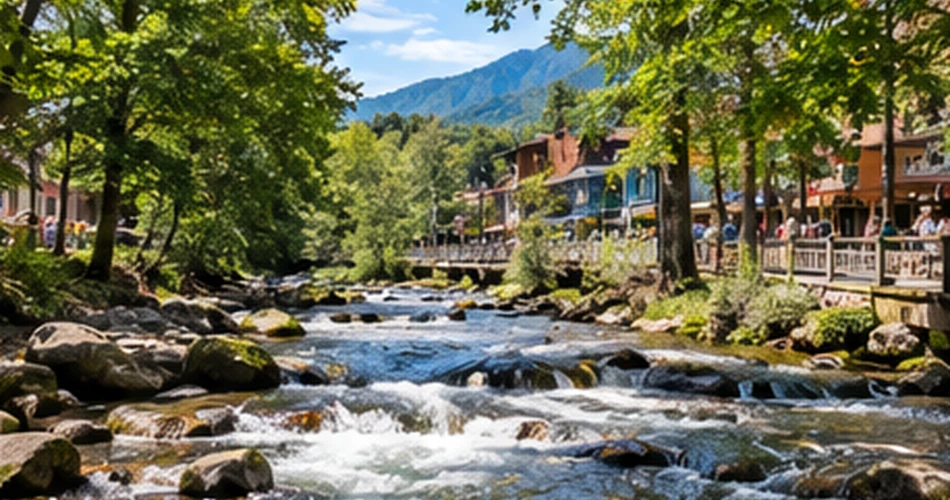
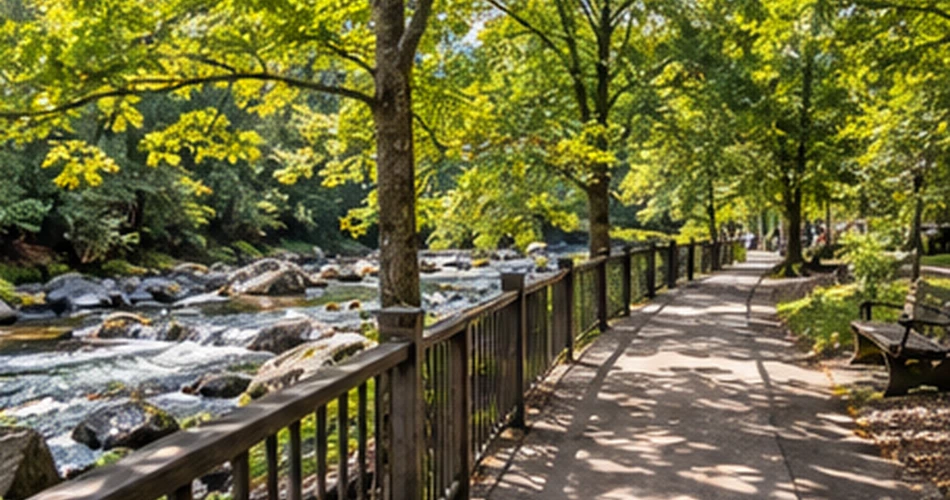
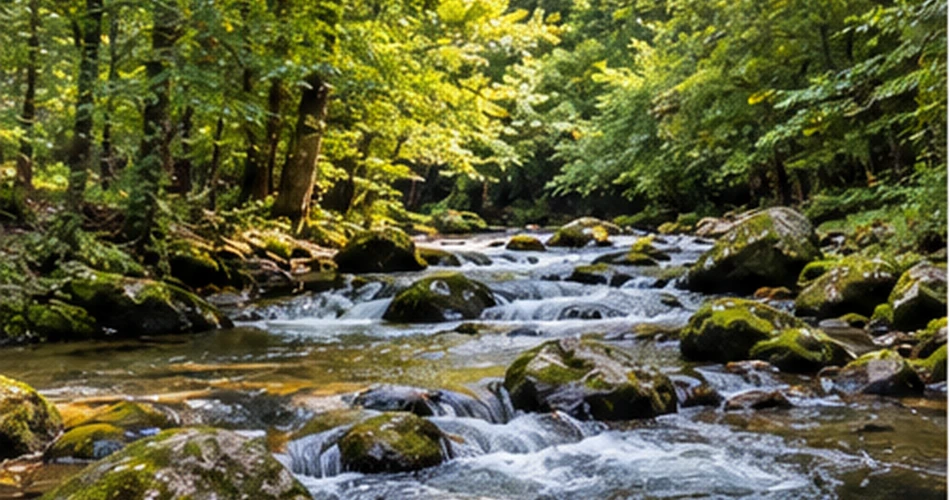
One of the easiest ways to change the mood of a downtown afternoon is to turn toward the water instead of another storefront. Gatlinburg’s river walk provides a quieter alternative to the Parkway, with benches, gazebos, trees, and the sound of the Little Pigeon River replacing some of the traffic noise. It is still very much part of town, which is exactly what makes it useful: no special equipment or half-day commitment is required.
Travelers willing to keep walking can connect that idea with the Gatlinburg Trail, which runs between River Road and Sugarlands Visitor Center. The National Park Service describes it as approximately four miles roundtrip through cove hardwood forest beside the river. The route includes a wide dirt path, a pedestrian bridge, historic stone chimneys, and a few steeper sections, but much of it is broad and relatively gentle.
The Gatlinburg Trail is also unusual within Great Smoky Mountains National Park because bicycles are permitted, and it is one of only two park trails where leashed pets are allowed. That makes it especially useful for groups whose options elsewhere in the park may be limited.
There is no requirement to walk the entire route. An hour beside the river can be enough to reset the day before returning downtown for dinner.
Sugarlands Is the Easiest Forest Reset Close to Town
Sugarlands works particularly well when travelers want real forest scenery without turning the outing into a demanding hike. The visitor center sits about two miles south of Gatlinburg, putting several easy outdoor options surprisingly close to the Parkway. Great Smoky Mountains National Park itself has no entrance fee, although vehicles parked for more than 15 minutes require a parking tag.
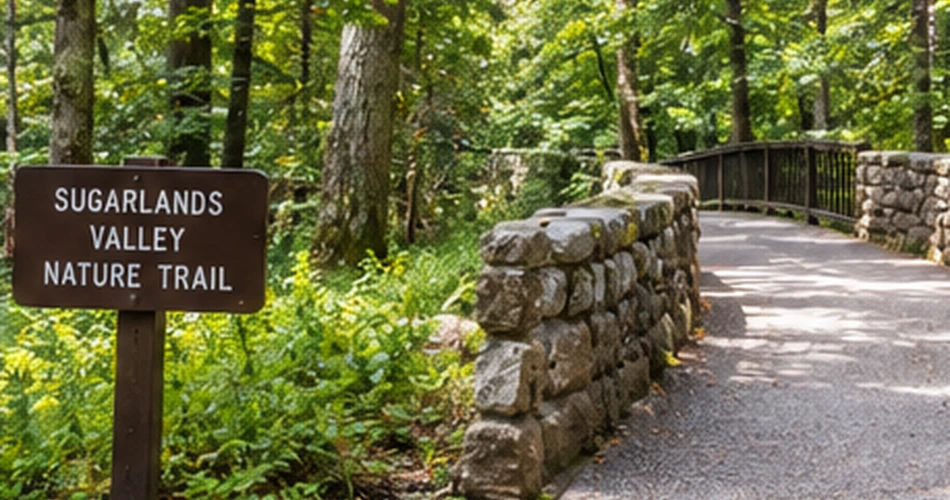
The gentlest option is the Sugarlands Valley Nature Trail, a paved half-mile loop through cove hardwood forest along the West Prong of the Little Pigeon River. It is currently the park’s ADA-accessible trail and passes stream views, rock walls, and historic stone chimneys. It works well for families, visitors easing into the mountains, or anyone whose legs are asking for something less ambitious after a long downtown day.
Cataract Falls offers a slightly different outing from the visitor center. The walk is about 0.7 mile roundtrip, ending at a narrow waterfall roughly 40 feet high. The falls are usually most impressive after rain, and the National Park Service specifically warns visitors not to climb around the rocks because serious injuries have occurred there.
Neither outing needs to become an expedition. That is their strength. Sugarlands lets visitors spend an hour or two in the Smokies and still return to Gatlinburg with most of the day intact.
Roaring Fork Makes the Road Part of the Day
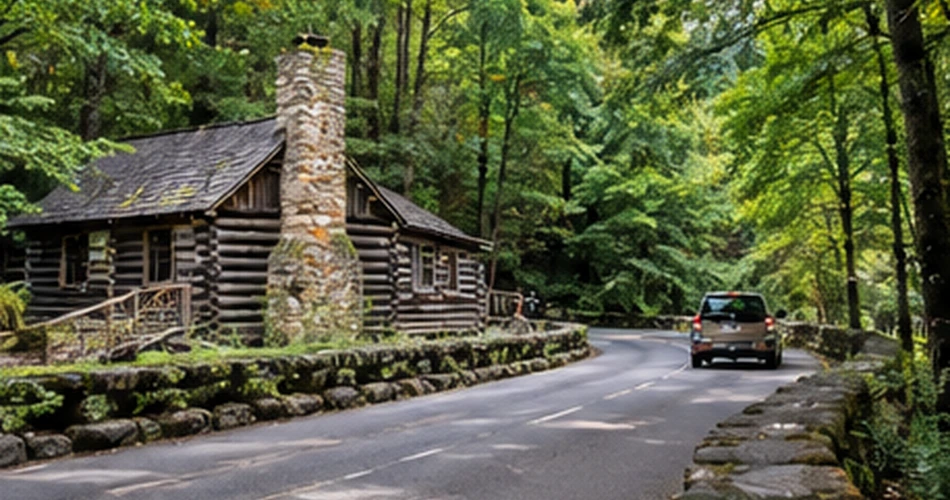
Some scenic roads are useful because they get somewhere quickly. Roaring Fork Motor Nature Trail is almost the opposite. The 5.5-mile, one-way route is narrow, winding, and better when nobody is watching the clock. It passes rushing streams, forest, historic home sites, and old mountain buildings that reward frequent stops rather than a straight drive through.
Before the motor trail, the Noah “Bud” Ogle area provides a chance to see a historic farmstead and surrounding hardwood forest. Farther along the road, trailheads lead deeper into the mountains, but a change-of-pace afternoon does not need to become a strenuous hiking day. Simply driving the loop, pausing at historic sites, and listening to Roaring Fork can be enough.
Near the end, the Place of a Thousand Drips runs down a roadside rock face. Its many small cascades become more noticeable after heavy rain and can be seen from the road or a nearby pullout.
There are practical limits. Parking demand can exceed capacity, buses, trailers, and motor homes are prohibited, and parking tags are not sold along the motor trail. The road is also seasonal; the published 2026 schedule runs from April 17 through November 29, subject to conditions.
These details are precisely why Roaring Fork belongs in a relaxed afternoon rather than a tightly timed Gatlinburg itinerary.
The Arts & Crafts Community Changes the Conversation
When the Parkway begins to feel repetitive, the Glades area changes more than the scenery. The Arts & Crafts Community follows an eight-mile loop where workshops, studios, galleries, and small businesses are spread through a quieter section east of central Gatlinburg. Pottery, leatherwork, painting, woodcraft, baskets, quilts, candles, and other handmade work appear along the route.
The community’s history gives it more substance than a conventional shopping district. In 1937, a group of Gatlinburg artisans began moving their work from downtown to home studios in the Glades, creating the foundation of what became the Great Smoky Arts & Crafts Community. Visitors were invited to come out to the studios, see the work, and watch craftspeople make it.
That is still the best way to approach the area. Rather than trying to visit every studio, travelers can choose a few that genuinely interest them. Watching someone center clay on a wheel or shape a piece of wood gives an afternoon a much slower rhythm than moving from attraction to attraction.
The Arts and Crafts Community is also served by a dedicated seasonal trolley route, offering an alternative to driving the entire loop when its schedule fits the day.
For returning visitors, this part of Gatlinburg often feels particularly worthwhile because it reveals a side of the town that has little to do with ticket windows or observation decks.

Greenbrier Feels Farther Away Than It Is
Greenbrier is a useful answer when travelers want to leave downtown behind without committing to one of the park’s longer drives. The National Park Service places the area about 20 minutes east of Gatlinburg. A partly paved entrance road follows the Middle Fork of the Little River upstream toward a riverside picnic area and several trailheads.
The atmosphere is immediately different from the Parkway. Water moves through a heavily forested cove, and the surrounding area is known for streams, wildflowers, waterfalls, historic structures, and cemeteries. A visitor does not have to tackle a long trail for the outing to feel worthwhile. A picnic near the river, a short walk, and time simply watching the water can fill an afternoon surprisingly well.
Greenbrier also works as a useful alternative when more famous areas feel too crowded. It should not be treated as guaranteed solitude—Great Smoky Mountains National Park receives heavy visitation—but its geography and river setting create a different experience from central Gatlinburg.
Travelers parking inside the park for longer than 15 minutes need the required parking tag. Current tags are physical rather than digital-only, and purchasing one does not reserve a parking space.
Among the more useful Gatlinburg travel tips is keeping Greenbrier in mind as a flexible option rather than scheduling every park hour around the same famous viewpoints
Let the Trolley Handle the Busy Part of Town
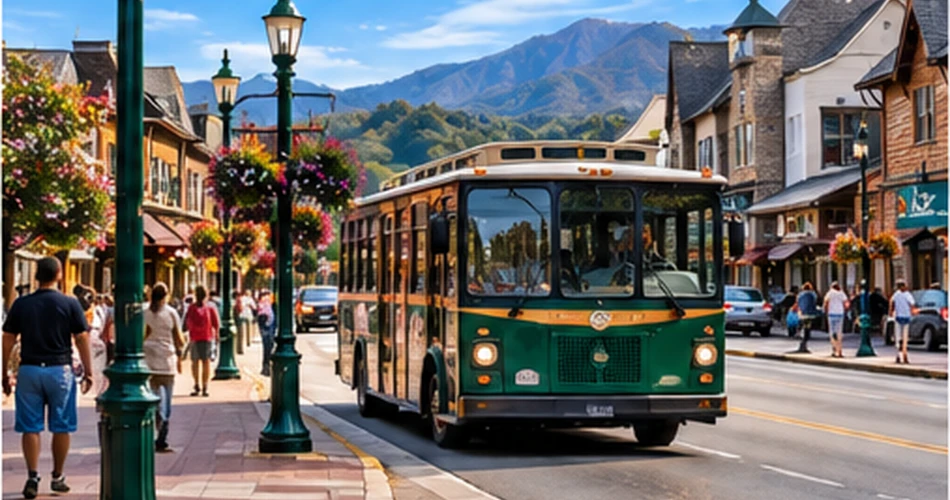
Sometimes the needed change of pace is not a forest trail at all. It is simply getting out from behind the steering wheel. Gatlinburg’s trolley system is free and operates every day of the year, with hours varying by route and season. All routes connect through the Mass Transit Center, and the system can also bring visitors downtown from the Park-n-Ride lot at the Gatlinburg Welcome Center.
That matters more than it might sound. Driving through central Gatlinburg can become the most tiring part of an otherwise easy day, particularly when traffic builds and everyone in the car is watching for parking at the same time. Leaving the vehicle behind changes the mood immediately.
The trolley can be particularly useful for a low-pressure afternoon that combines a meal, a few shops, and a walk rather than one large attraction. A seasonal Yellow Route also serves the Arts & Crafts Community.
A few simple habits make slower Gatlinburg days easier:
- Park once when possible instead of moving the car between nearby downtown stops.
- Check park road and trail conditions before leaving for the Smokies.
- Carry comfortable walking shoes and a light layer even on mostly urban days.
- Keep one backup destination in mind when popular trailhead parking is full.
None of those Gatlinburg travel tips is glamorous, but they prevent logistics from becoming the main memory of the afternoon.
The Best Reset Is Usually Closer Than It Looks
A traveler does not have to abandon Gatlinburg’s busiest places to enjoy a slower version of the town. The most satisfying change of pace often comes from shifting environments for a few hours. A morning on the Parkway can lead into an afternoon on the Gatlinburg Trail. A busy attraction day can be followed by a half-mile walk at Sugarlands. Roaring Fork can replace another set of tickets, while Greenbrier can turn a free afternoon into several quiet hours beside moving water.
The larger lesson is useful for both first-time and repeat visitors. Great Smoky Mountains National Park is close enough to be part of everyday Gatlinburg planning rather than a separate vacation, while the Arts & Crafts Community provides another kind of escape without leaving town culture behind. Even the free trolley can change the experience simply by removing the pressure of downtown driving.
Anyone sorting through the long list of things to do in Gatlinburg can therefore leave some spaces deliberately empty. Not every afternoon needs a headline attraction. Sometimes the memorable part is a stone chimney beside a woodland trail, a potter working quietly at a wheel, or a river that becomes loud enough to drown out the traffic.
That balance is what gives Gatlinburg range. The crowds and lights are there whenever a visitor wants them, but so are forest roads, craft studios, riverside paths, and shaded valleys when it is time for something different.
Next post A Morning in Gatlinburg Before the Town Gets Busy
Previous Post The Gatlinburg Stops I’d Make Time for Again
About Author